Compare Bangkok Muay Thai tickets across stadiums and seating tiers. Book Rajadamnern or Lumpinee fights online. Find prices, platforms, and seat maps.
What Are Bangkok Muay Thai Tickets?
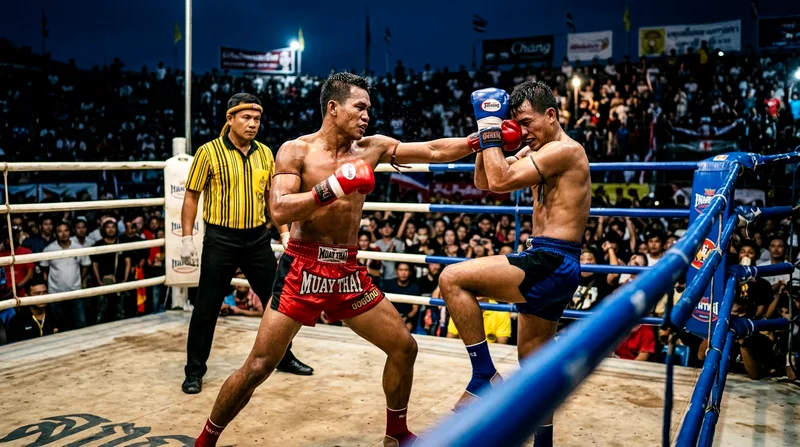
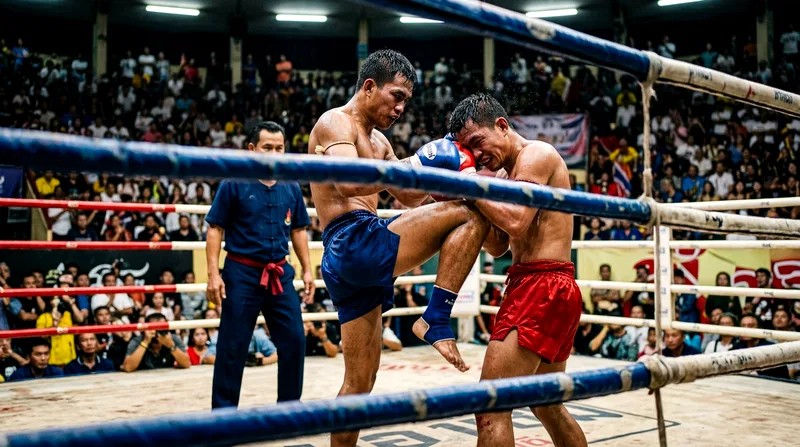
Bangkok Muay Thai tickets are entry passes to live fight cards at the city's licensed boxing stadiums, most notably Rajadamnern Stadium and Lumpinee Fight Boxing Stadium. A ticket buys you a seat (or standing space, depending on tier) for an evening programme that typically runs five to ten bouts, mixing professional Thai fighters with occasional international matchups. Shows usually run several nights a week, though the exact schedule varies by stadium and season — always confirm fight nights on the official site before planning your evening around one.
This isn't a single standardized product. Prices and what's included shift depending on seating tier, whether you book through the stadium directly or a third-party platform, and whether you want extras like hotel transfer or a pre-fight meal bundled in. Expect ticket prices for foreign visitors to sit in a published range that both stadiums post on their own sites — treat any number you see as a starting point and verify on the official page at booking time, since both venues have adjusted rates periodically.
What's included in your ticket
A standard ticket covers entry and a numbered or general seat for the full fight card that evening. Most tiers include unobstructed sightlines to the ring — even upper-level seats at Rajadamnern are closer than you'd expect in a sports stadium back home, since the venues are compact by international standards. Some third-party packages bundle round-trip hotel transfer, which is worth it if you're staying outside central Bangkok and don't want to deal with taxis late at night.
What's not covered
Food and drinks inside the stadium are separate purchases — expect basic concession-style snacks and beer, nothing elaborate. Programme booklets, fighter meet-and-greets, and photos with boxers are not standard inclusions and are rarely offered at all for casual ticket holders. Parking isn't included if you drive, and neither is onward transport after the show ends, which can be close to midnight — plan your taxi or BTS/MRT connection before you go, not after.
Ticket Types and Seating Tiers Explained
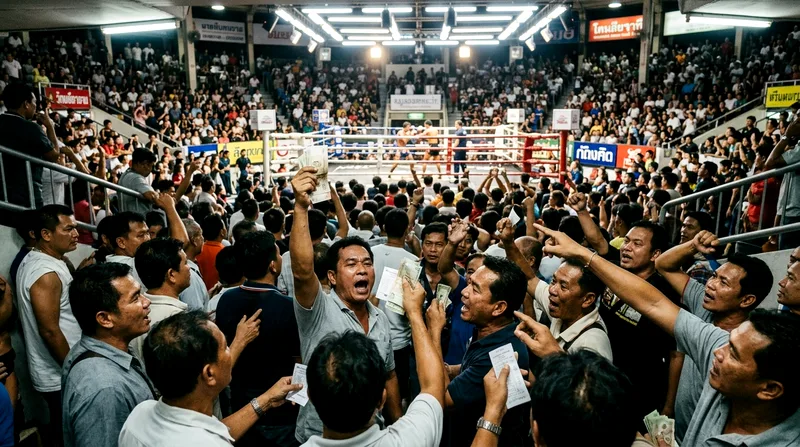
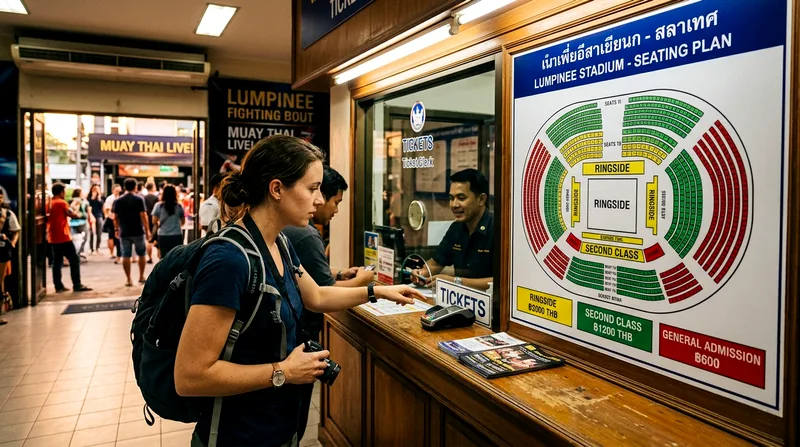
Both stadiums use a three-tier structure: ringside, second-class (mid-tier), and third-class or general admission. The names differ slightly between venues, but the logic is the same — proximity to the ring determines price, and each tier also determines the crowd experience, since third-class sections are where the real betting energy and shouting happens.
General admission and ringside options
General admission (sometimes called third-class) puts you furthest from the ring, often in bench-style seating or standing areas, and is where local fans gather to watch and bet. It's loud, chaotic in a good way, and genuinely the most atmospheric tier if you want to feel like you've stumbled into a real sporting event rather than a tourist show. Ringside seats, by contrast, are individual chairs right against the ring apron — better for photos and for seeing fighters' expressions, but you lose some of the crowd theater happening behind you. I'd pick general admission on a first visit and upgrade only if you're going back for a second fight night.
VIP and premium packages
VIP packages, usually sold through third-party platforms rather than the stadiums directly, bundle ringside or second-class seating with transport, sometimes a meal, and occasionally a guided introduction to Muay Thai before the fights start. These cost noticeably more than a basic ringside ticket bought direct — you're paying for convenience and hand-holding, not better access. If you're traveling solo and nervous about navigating a Thai-only ticket booth, the convenience has real value. If you're comfortable sorting your own transport, skip it and buy direct.
Rajadamnern vs. Lumpinee: Stadium Comparison
Rajadamnern Stadium, opened in 1945, is the older of the two and carries the heavier historical weight — it's often described as the oldest standing Muay Thai stadium in the world and has hosted some of the sport's most storied fighters. Lumpinee Fight Boxing Stadium moved to a newer, larger facility some years back and tends to feel more modern, with slightly more comfortable seating and clearer signage for foreign visitors.
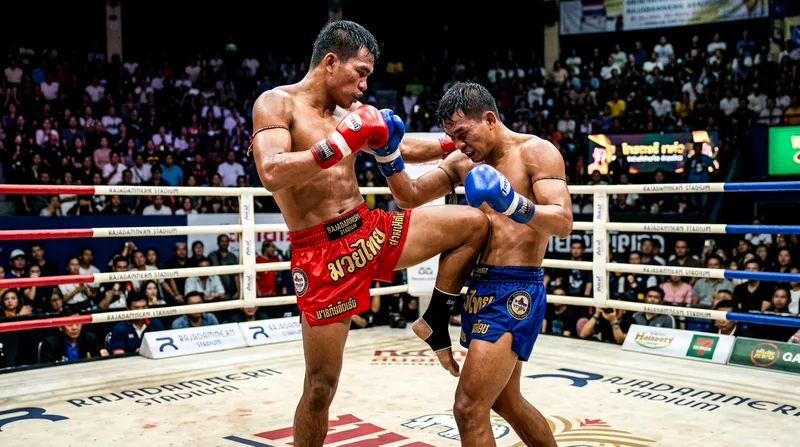
Rajadamnern offers more historical atmosphere and tighter sightlines, while Lumpinee offers a more modern, easier-to-navigate venue.
Bangkok Muay Thai tickets compared: Rajadamnern vs Lumpinee by price tier, access, and atmosphere
| Stadium/Tier | Typical Price Range (approx., confirm on site) | Crowd Atmosphere | Best For |
|---|---|---|---|
| Rajadamnern – Third class/GA | Lower tier | High energy, local bettors | Budget travelers, atmosphere seekers |
| Rajadamnern – Ringside | Highest tier | More formal, photo-friendly | First-timers wanting best view |
| Lumpinee – Third class/GA | Lower tier | Energetic, slightly less dense | Families, easier navigation |
| Lumpinee – Ringside | Highest tier | Comfortable, modern seating | Couples, premium seekers |
Prices change periodically and vary by season and fight card; always confirm current tiers and costs on the official stadium site before booking.
Venue history and atmosphere
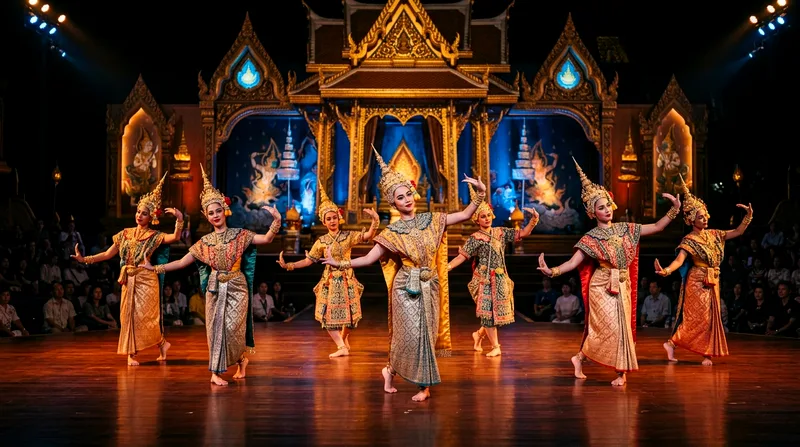
Rajadamnern leans into its heritage — expect a mural-lined entrance, a traditional pre-fight Wai Khru ceremony with live musicians (the pii chawa and drums), and a crowd that includes a good number of serious local bettors. Lumpinee's newer building is more polished and arguably easier for first-timers to navigate, but some longtime fans say it's lost a bit of the rawness. Neither is "better" outright — Rajadamnern wins on atmosphere and history, Lumpinee wins on comfort and navigability.
Seating capacity and layout
Both venues seat several thousand spectators across their tiered sections, with the ring at the center and seating rising on all sides. Rajadamnern's layout is slightly more compact, which actually helps sightlines from cheaper seats. Lumpinee's larger footprint means a bit more walking from entrance to seat, but wider aisles and clearer tier separation. If mobility is a concern — this matters for senior travelers — ask about ground-level seating options when booking, since stair access varies by section at both venues.
Where and How to Buy Tickets
You've got two real paths: buy direct from the stadium, or buy through a third-party platform. Both work, but they suit different travelers.
Official stadium channels
Rajadamnern and Lumpinee both sell tickets through their own official websites, and this is usually the cheapest route since you're not paying a platform markup. The process typically involves selecting your date, choosing a seating tier, and paying online or reserving for pay-on-arrival — specifics vary, so follow the instructions on each stadium's own booking page rather than assuming. Buying direct also means dealing with the stadium if something changes, which can be slower than a third-party platform's customer service, but it avoids the markup entirely. This suits travelers comfortable navigating a site that isn't always fully translated and who don't need hand-holding.
Third-party booking platforms
Viator, KKday, Trip.com, Ticketmelon, and MyBangkokPass all list Muay Thai tickets for one or both stadiums, often bundled with hotel pickup. These platforms charge more than buying direct, but they offer English-language booking, instant confirmation, and — on Viator and KKday especially — published customer reviews you can actually read before paying. Ticketmelon tends to focus more narrowly on event ticketing and can be a useful comparison point for raw ticket prices without a tour bundle attached. For a first Bangkok trip where you're already juggling a dozen other bookings, I'd lean toward one of these over fighting with a stadium's native booking flow — the markup is the price of convenience, not a scam. Always compare current prices and inclusions across at least two platforms before you book, since bundled extras vary.
Is It Worth It? By Traveller Type
Muay Thai tickets aren't a uniform purchase — whether they're worth it depends heavily on who's buying.
Budget-conscious visitors
If you're backpacking through Southeast Asia and comparing this against, say, a night out in Chiang Mai or Pattaya where Muay Thai tickets run cheaper, Bangkok's general admission tier is still the better value per baht — the fight quality at Rajadamnern and Lumpinee is a tier above most provincial stadiums. Skip ringside entirely. Sit in third-class, bring cash for snacks, and you'll spend a fraction of what a VIP package costs for an experience most fans say is more fun anyway.
First-time and premium seekers
If this is a one-off bucket item on a broader Thailand trip that also includes Ayutthaya's temples or a flight down to Krabi or Phuket, paying for a ringside or VIP package with transport included removes friction on a night you don't want to overthink. Couples and senior travelers in particular often prefer this route — less walking, guaranteed seating, no haggling with tuk-tuk drivers at 11pm. It costs more, but on a short trip, your time and energy are worth something too.
Frequently asked questions
How much do Bangkok Muay Thai tickets cost?
Prices vary by stadium, seating tier, and booking channel, generally running from a lower general-admission rate up to a higher ringside price, with VIP packages costing more still. Both stadiums publish their current rates on their official websites — treat any figure you see elsewhere as approximate and confirm before paying.
Where can I buy Rajadamnern Stadium tickets?
Buy directly through Rajadamnern's official website for the best price, or through platforms like Viator, KKday, or Trip.com if you want English-language support and bundled transport. Avoid buying from unofficial street vendors near the stadium, who sometimes resell at inflated prices with no guarantee of seat location.
What's the difference between Rajadamnern and Lumpinee?
Rajadamnern is older, opened in 1945, and leans into traditional atmosphere and ceremony. Lumpinee operates from a newer, larger building with more modern seating and arguably easier navigation for first-time visitors. Fight quality is comparable at both — the choice comes down to atmosphere versus comfort.
What should I wear to a Muay Thai fight?
Casual, respectful clothing works fine — no strict dress code applies to general seating, but avoid vest tops, flip-flops you can't walk in quickly, or anything overly revealing, since some sections share space with more formal ringside ticket holders. Bring a light jacket; stadium seating areas are sometimes air-conditioned aggressively.
Can I book tickets online in advance?
Yes — both stadiums and all listed third-party platforms allow advance online booking, which is strongly recommended for weekend fight nights or when a notable fighter is on the card. Walking up on the night risks sold-out tiers, particularly ringside.