Compare Muay Thai vs cabaret Bangkok shows on cost, duration, and atmosphere. See which evening experience suits your trip before you book.
Quick Comparison: Muay Thai vs Cabaret
Bangkok gives visitors two very different ways to fill an evening, and the Muay Thai vs cabaret Bangkok decision usually comes down to energy level more than budget. One is live combat sport with real stakes — fighters get hurt, crowds get loud, and the outcome isn't scripted. The other is a choreographed theatrical performance, closer to a Las Vegas revue than a traditional Thai cultural show, even though it borrows some Thai staging elements.
Both are heavily marketed to tourists, both show up constantly on Viator and TripAdvisor itineraries, and both can be booked same-day in most cases. But the experience of sitting through each one is nothing alike. A Muay Thai card at Rajadamnern Stadium or Siam Boxing Stadium runs long, gets physically intense, and rewards people who like unpredictability. A cabaret show like Muay Thai Live's theatrical cousins — or the glam cabaret venues clustered around Silom and Asoke — runs tight, polished, and doesn't ask much of you beyond showing up and watching.
Muay Thai costs more and runs longer, while cabaret is shorter, cheaper, and more predictable for a tight schedule.
Muay Thai vs cabaret Bangkok: cost, duration, and atmosphere compared
| Experience | Typical Duration | Ticket Price Range (THB) | Atmosphere | Best For |
|---|---|---|---|---|
| Muay Thai (Rajadamnern) | 3-3.5 hours | 1,000-2,500+ | Loud, intense, unscripted | Sports fans, solo travelers, couples |
| Muay Thai (Siam Boxing Stadium) | 2.5-3 hours | 1,000-1,800 | Smaller, more casual | First-timers, budget-conscious visitors |
| Cabaret show (city venues) | 60-75 minutes | 800-1,500 | Glossy, theatrical, upbeat | Families, seniors, groups wanting an easy night |
| Muay Thai Live (theatrical) | 70-90 minutes | 1,200-1,800 | Staged storytelling with fight choreography | Visitors wanting a safer, PG version of Muay Thai |
Prices and schedules vary by venue, seating tier, and season — always check current prices and showtimes before you book.
What you're watching
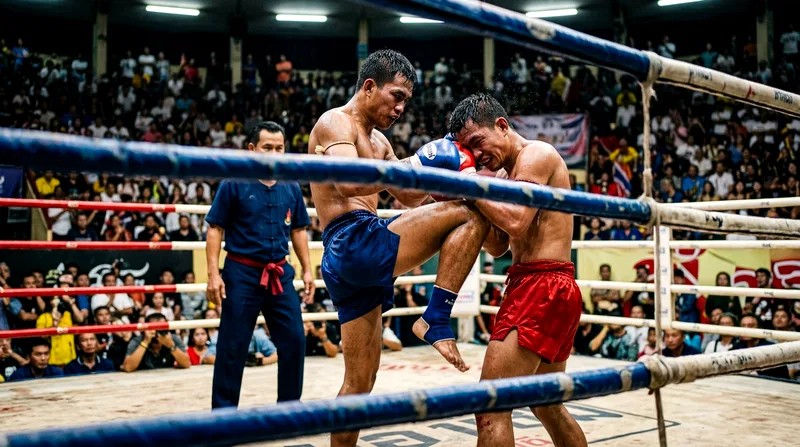
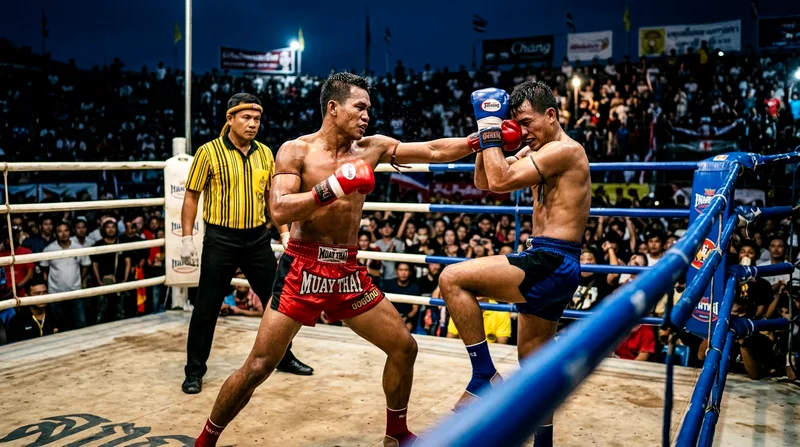
At a Muay Thai stadium, you're watching genuine competitive fights — amateurs through to seasoned professionals, depending on the card — with live scoring, a referee, and a band playing traditional sarama music that speeds up as the action intensifies. Nothing is staged. Fighters can get cut, knocked down, or stopped early.
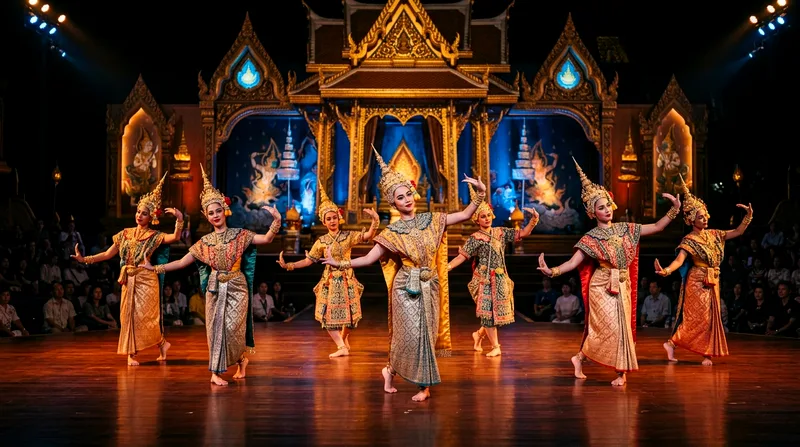
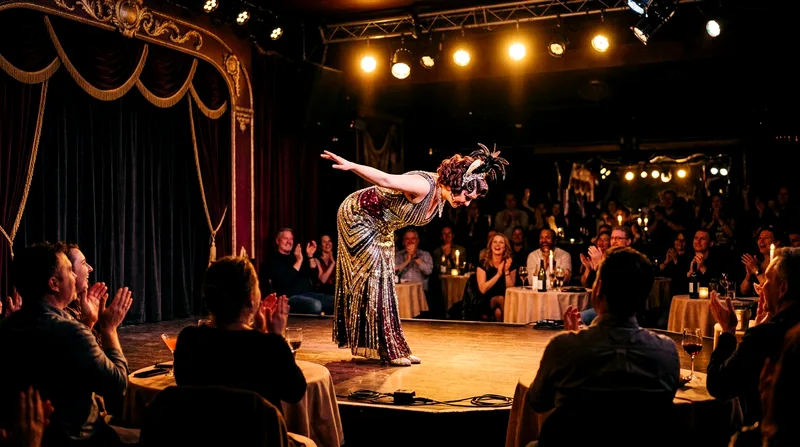
A cabaret show is a sequence of performance numbers: lip-sync and dance routines, elaborate costume changes, comedy bits, sometimes acrobatics. It's built for photos and applause, not suspense. If you want a cultural deep get into traditional Thai performance, neither option really delivers that — this is commercial entertainment, not a classical Thai dance recital.
Typical duration and schedule
Muay Thai fight nights typically run 3 to 3.5 hours across multiple bouts, usually starting around 6:30 or 7 pm on fight nights (schedules vary by stadium and day of week, so check the current calendar before booking). Cabaret shows are far shorter — most run 60 to 75 minutes, with two showtimes per evening common, often around 6 pm and 8:30 pm, which makes them easier to slot around dinner.
Head-to-Head: Time, Cost, and Effort
If you're trying to decide between a Muay Thai vs cabaret Bangkok night out purely on logistics, cabaret wins on efficiency almost every time. It's shorter, cheaper at the low end, and easier to combine with a dinner reservation. Muay Thai asks for a bigger chunk of your evening and, at ringside, a bigger chunk of your wallet.
Duration and evening commitment
A full Muay Thai card eats most of your evening — arrive by 6:30 pm, and you're not leaving before 10 pm once undercards, main events, and the walkout ceremonies are done. That's fine if boxing is the plan for the night. It's a problem if you also wanted dinner at a proper restaurant or a rooftop bar afterward; by the time the last bout ends, many kitchens are winding down.
Cabaret fits neater into a bigger evening. A 70-minute show at 6 pm leaves you free for dinner in Silom or a night market stop afterward. For travelers juggling multiple Bangkok activities in one trip — a river cruise, a market, a show — cabaret's shorter runtime is the more flexible building block.
Ticket prices and total spend
Ringside seats at Rajadamnern Stadium cost noticeably more than seats further back, and prices climb further for marquee fight cards featuring well-known fighters. Siam Boxing Stadium tends to run cheaper across the board, which makes it a reasonable pick if you want the experience without the premium venue markup. Add a beer or two and a tuk-tuk there and back, and a stadium night easily becomes the pricier of the two options.
Cabaret tickets are usually simpler — one flat price per tier, sometimes with a drink included, and no ringside-style price spike. The total spend is more predictable, which matters if you're budgeting a multi-day Bangkok itinerary that also includes a Chao Phraya dinner cruise or a day trip to Ayutthaya.
Booking and logistics
Both shows are bookable in advance through Viator or directly via stadium and venue websites, and both show up with reviews on TripAdvisor worth skimming before you commit. Muay Thai tickets at popular stadiums can sell out on big fight nights, particularly weekends, so booking a day or two ahead is safer than walking up. Cabaret shows generally have more nightly capacity and are easier to book same-day, even a few hours before showtime. Either way, compare current prices and availability before you book — rates shift by seating tier and night of the week.
Atmosphere, Views, and Crowds Explained
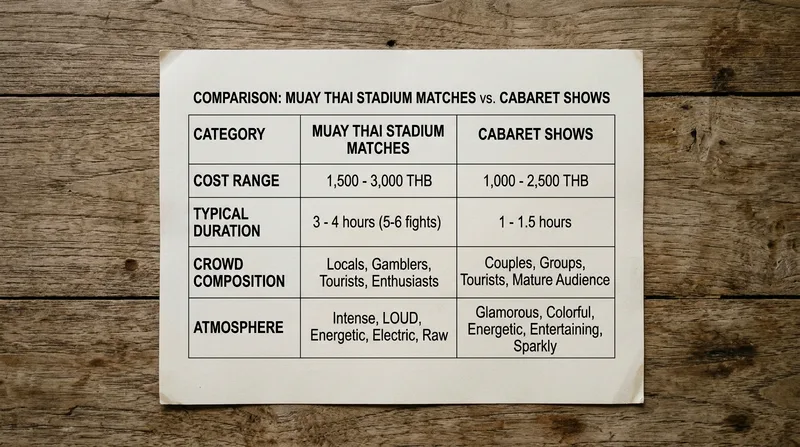
This is where the two experiences really split apart. Muay Thai is sweaty, loud, and occasionally chaotic — in a good way, if that's what you're after. Cabaret is controlled, air-conditioned, and designed so every seat gets a decent view of a well-lit stage.
Energy and audience vibe
Stadium crowds get genuinely loud — local gamblers shouting odds, the live band accelerating during a flurry of strikes, a mixed crowd of tourists and Thai regulars. It's one of the few tourist-facing experiences in Bangkok where you're sharing space with actual locals who care about the outcome, not just other visitors. Cabaret audiences are almost entirely tourists and tour groups, and the energy is enthusiastic but manufactured — applause cues, photo moments, emcee banter in English. If you want a sense of local Bangkok nightlife rather than a show built for cameras, Muay Thai gets you closer, even if both are commercial products at heart.
Seating and sightlines
Stadium seating at Rajadamnern runs in tiers — ringside, second class, and upper-level bleacher seats — and the cheap seats can mean craning your neck around pillars or standing fans. Cabaret venues are built like small theaters, with raked seating so even back rows get a clean view of the stage. If sightlines matter more to you than proximity to the action, cabaret venues are the more reliable bet; stadium cheap seats are genuinely a mixed bag depending on the house that night.
Crowd size and tourist density
Fight night crowds vary a lot — a few hundred on a quiet weekday, closer to capacity on a weekend with a big-name bout. Cabaret shows run multiple fixed sessions nightly, so crowd size is steadier but also almost uniformly tourist, often arriving by the busload from hotels and tour operators. If you dislike large coordinated tour groups, ask about seating arrangements when booking cabaret, since some sessions fill with groups seated together.
Who Should Choose Which Experience
Neither show is objectively "better" — they suit different travelers, and most people booking one over the other already know which kind of evening they want.
Pick Muay Thai if...
You're a sports fan, a solo traveler who enjoys atmosphere over comfort, or a couple who wants something memorable rather than relaxing. Pick Muay Thai if you don't mind a long night, don't mind secondhand cigarette smoke in some older stadium sections, and want to see something that isn't rehearsed. It's also the better pick if you're already curious about Thailand's national sport and might follow up with a training session or gym visit elsewhere in Bangkok or in Chiang Mai, which has a strong Muay Thai gym scene of its own.
Pick cabaret if...
You're traveling with kids old enough for a late show but not for ringside violence, you're a senior traveler who wants comfortable seating and air conditioning, or you simply want a shorter, lighter evening before an early start the next day — say, a Chao Phraya River cruise or a day trip to Ayutthaya. Cabaret is also the safer pick for anyone squeamish about physical contact sport, or anyone who found Pattaya's go-go bar scene off-putting and wants a glossier, more family-adjacent version of nightlife entertainment.
Final Verdict: Making Your Choice
If you only have one night in Bangkok for an evening show, think about what you'll remember a year later. Muay Thai sticks with people because it's unpredictable — a split-second knockout, a crowd roar, a fighter you didn't expect to win. Cabaret sticks with people because it's polished and fun, but it rarely surprises you.
Budget travelers comparing this to other Thailand stops — a Phuket bar crawl, a Krabi sunset cruise, a Kuala Lumpur night market — will find Bangkok's Muay Thai scene is genuinely harder to replicate elsewhere in Southeast Asia; it's a city specialty. Cabaret, by contrast, is a format you'll also find echoes of in Pattaya, so it's less distinctly "Bangkok." If budget and time are tight, that uniqueness tips the scale toward Muay Thai for many first-time visitors. But if you're traveling with children, elderly parents, or you simply want a lighter night between a busy Grand Palace day and an early flight, cabaret is the lower-friction, lower-risk choice. Compare current prices and showtimes for both before you book — availability shifts fast on weekend fight nights and peak cabaret sessions alike.
Frequently asked questions
How long does a Muay Thai fight event last?
A full card typically runs 3 to 3.5 hours, covering multiple bouts from undercard fights through to the main event. Arrive on time if you want to catch the earlier matches — doors often open 30 to 60 minutes before the first bell, and latecomers miss the undercard entirely.
What is the typical cost of cabaret show tickets in Bangkok?
Expect roughly 800 to 1,500 THB per person depending on seating tier and venue, with some packages including a welcome drink. Front-row or VIP seating costs more; back rows are usually fine since most cabaret theaters are small enough that sightlines don't suffer much.
Is Muay Thai or cabaret better for first-time visitors?
Cabaret is the lower-risk pick for a first Bangkok night out — shorter, predictable, and comfortable. Muay Thai is better if you want something distinctly Thai and don't mind a longer, louder, more physically intense evening with less certainty about what you'll see.
What should I wear to a Muay Thai stadium or cabaret show?
Casual clothing works for both — shorts and a t-shirt are fine at stadiums, though bring a light layer since some venues are only partially air-conditioned. Cabaret venues lean slightly smarter-casual; avoid flip-flops and tank tops if you want to blend in with the dressier tour groups.
Can I book both experiences in one evening?
Technically yes, since cabaret runs under 90 minutes and Muay Thai cards often start around 6:30 or 7 pm, but it's a tight squeeze and risks rushing both. Most visitors book them on separate nights to actually enjoy each one rather than watching the clock.