Bangkok Food Neighbourhoods: Where to Eat and What to Try
Explore Bangkok's best food neighbourhoods. Discover signature dishes, street food markets, and dining districts from Yaowarat to Thong Lo.
9 min read · 8 Oct 2026
Tours & activities
Compare Bangkok food tours: street food crawls, cooking classes, Michelin dining, and tuk tuk experiences. Group vs private options explained before you book.
Bangkok food tours aren't one product — they're at least four different products wearing the same marketing language. A street food crawl through Chinatown has almost nothing in common with a half-day cooking class in a teak house kitchen, and neither resembles a tasting menu at a Michelin-recognized restaurant. Before you open Viator or GetYourGuide and start scrolling, decide what you actually want out of the evening: education, volume of food, comfort, or bragging rights.
Budget matters here too, though exact prices shift by season and operator. Street food and market tours sit at the lower end of the spectrum. Cooking classes run a bit higher because you're paying for ingredients, equipment, and often a market visit beforehand. Fine dining experiences cost the most by a wide margin, sometimes several times the price of a street tour, because you're covering restaurant menu prices plus a guide's fee layered on top.
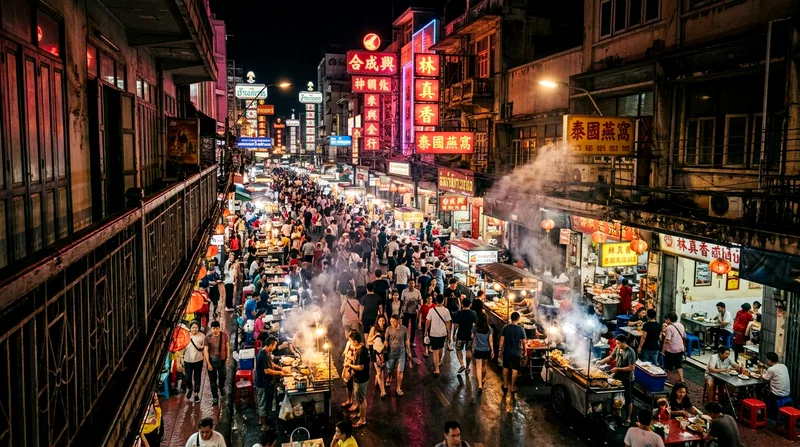
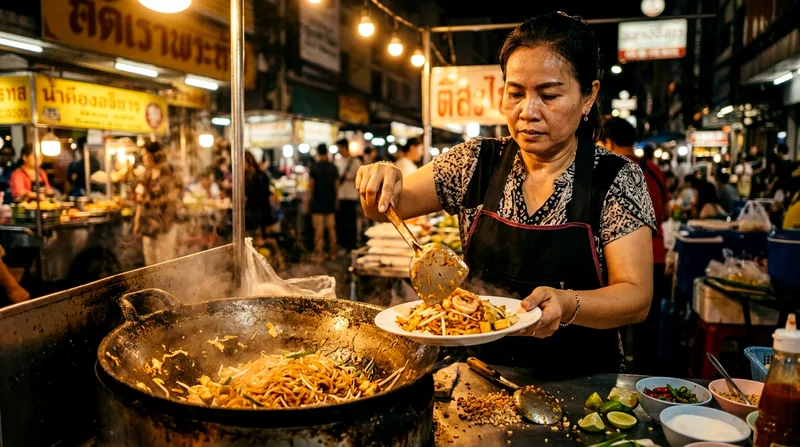
If you want maximum flavor per dollar, a street food tour — especially through Chinatown (Yaowarat) or the Chinatown food tour Bangkok circuits sold on most platforms — is the obvious pick. These typically run three to four hours, cover six to ten tasting stops, and move on foot or by shared tuk tuk. Expect noodle soups, grilled satay, mango sticky rice, and some stall you'd never have found walking in cold. The trade-off: you're standing or perched on plastic stools most of the night, portions are small by design, and the crowds and heat in Chinatown in April or May can wear down anyone not used to tropical humidity.
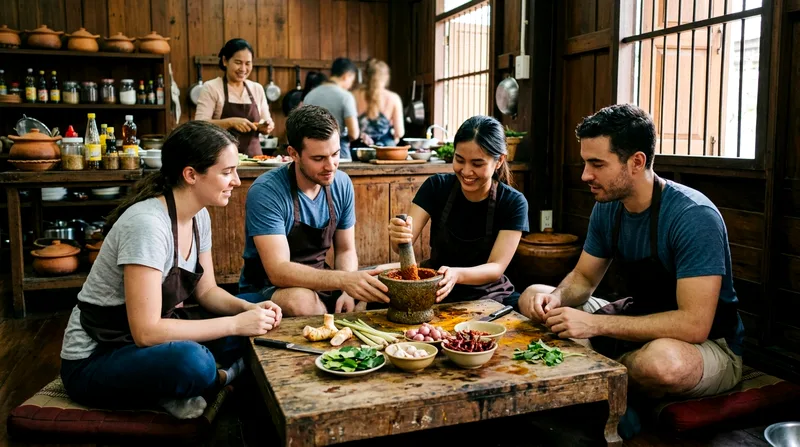
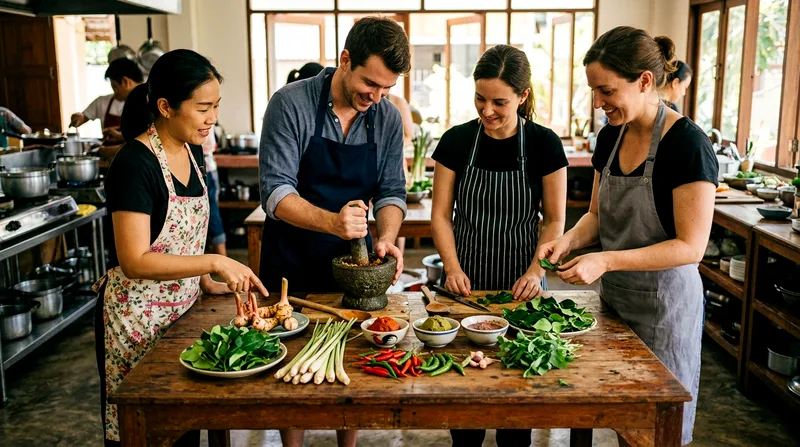
Cooking classes suit travelers who want a souvenir skill, not just a full stomach. A typical Bangkok cooking class tour runs four to five hours, often starting with a fresh market visit to buy herbs and curry ingredients, followed by hands-on preparation of three to five dishes — usually a curry, a stir-fry, a soup like tom yum, and a dessert. These work well for couples and families with kids over about eight years old who can handle a hot stove under supervision. The downside: you'll eat less variety than on a street crawl, since you're cooking four dishes, not tasting fifteen.
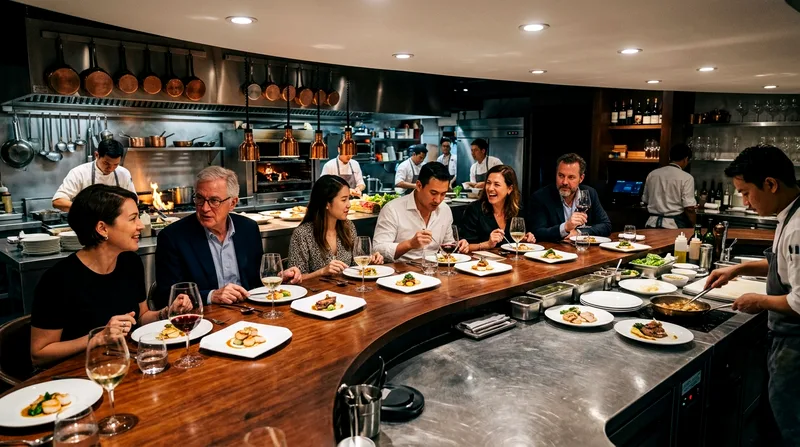
A Michelin star food tour Bangkok package usually bundles transport, a knowledgeable guide, and a reserved table at one or two restaurants carrying Michelin recognition — Bangkok has one of the largest Michelin Guide selections in Southeast Asia, spanning everything from fine dining rooms to humble noodle shops awarded a star. These suit couples celebrating something and senior travelers who want excellent food without walking for hours. The catch: you lose spontaneity, pay a premium for the guide's booking and transport service on top of the meal itself, and some of the best Michelin-starred stalls (several are street vendors, not formal restaurants) don't need a tour at all — you can simply queue.
Solo travelers often do better joining a small group tour — six to twelve people — both for cost and company. A private food tour Bangkok option makes more sense for families, groups of four or more, or anyone with dietary restrictions requiring a flexible route. Private guides can skip stops that don't work for you and add others. Expect to pay noticeably more per person for a private booking than a shared group slot, since you're covering the guide's full time regardless of group size.
Strip away the marketing copy and Bangkok food tours fall into a handful of real categories: street food crawls, cooking classes, tuk tuk night tours, fine dining experiences, and neighborhood-specific walks. Each has a distinct rhythm, and conflating them is the most common booking mistake.
Street food tours offer the most tastings per dollar, while cooking classes and fine dining tours trade quantity for skill or polish.
Bangkok food tour categories compared by duration, group size, and dietary flexibility
| Tour Category | Typical Duration | Group Size | Dietary Flexibility | Best For |
|---|---|---|---|---|
| Street food / Chinatown crawl | 3-4 hours | Small group (6-12) | Moderate, ask ahead | Budget travelers, solo explorers |
| Cooking class | 4-5 hours | Small group or private | High, customizable menu | Couples, families, hands-on learners |
| Tuk tuk night food tour | 3-4 hours | Small group (4-10) | Moderate | Couples, first-time visitors |
| Michelin / fine dining tour | 3-5 hours | Private or pair | Limited, pre-arranged only | Couples, senior travelers, special occasions |
| Private multi-neighborhood tour | 4-6 hours | Private (1-6 people) | Very high | Families, groups with allergies |
Durations and group sizes are typical ranges; confirm specifics and current pricing on the booking platform before reserving.
A street food tour is passive consumption — you walk, you taste, you move on. A cooking class is active — you chop, you stir, you plate. If you've done a cooking class in Chiang Mai already (a city arguably more associated with cooking schools, often set on small farms outside town), Bangkok's urban, market-based version will feel different: less farm, more street market chaos, which some travelers prefer and others find less relaxing.
Group tours are cheaper and often more social, but you're locked into the group's pace and dietary consensus. Private tours cost more but flex around allergies, mobility issues, or an 8pm restaurant reservation you don't want to miss. If you're comparing this decision to a Phuket or Krabi day-tour booking, the logic holds the same way: private transport and private guiding almost always cost more, but save time and friction.
Some tours stay within one district — Chinatown, Chinatown's edge near Wat Traimit, or the area around Terminal 21 Mall, which itself has a large food court worth exploring independently. Others hop by tuk tuk or van across two or three neighborhoods to show contrast — old-town Thai-Chinese food versus modern Thai fusion. Single-neighborhood tours feel more intimate and walkable; multi-area tours cover more ground but spend real time in transit.
Not all listings calling themselves a "Bangkok culinary experience" deliver the same thing, and the gap between a good tour and a mediocre one usually shows up in the fine print, not the headline photo.
Check exactly what's included before booking: some street food tours cover all tastings in the price, others only cover a few stops and expect you to pay cash for extras. Confirm whether drinks, transport between stops, and a bottle of water are included — Bangkok heat makes that last one matter. Look at maximum group size; anything over fifteen people moving through narrow Chinatown alleys gets unwieldy fast. On cancellation policies, platforms like Viator, GetYourGuide, and Trip.com typically allow free cancellation up to 24 hours before the start time — read the specific listing, since some fixed-departure cooking classes have stricter windows because ingredients are pre-purchased.
A guide who grew up in the neighborhood beats a generic tour-company employee every time — look for listings that mention local guides or specific market relationships, not just "English-speaking guide." Read the most recent reviews on TripAdvisor and the booking platform itself, not just the overall star rating, since tour quality can shift when a company changes guides. Watch out for listings with glowing five-star averages but fewer than twenty reviews total — that's not enough data to trust. A tour with 500+ reviews averaging 4.5 stars tells you more than a newer listing with a perfect score and twelve reviews.
Book your Bangkok food tour at least a few days ahead during peak travel months (November through February, when Bangkok's weather is at its most tolerable), and up to a week ahead for small-group cooking classes with limited daily slots. Evening street food and tuk tuk tours sell out faster around weekends and holidays, since locals and expats sometimes join too. Last-minute booking is usually fine for larger group street tours but risky for private or fine-dining options, where restaurant reservations need lead time.
Bangkok's hot season (March to May) makes a three-hour walking food tour genuinely uncomfortable — afternoon temperatures regularly exceed 35°C (95°F) with high humidity. If you're visiting then, book an evening tour starting after 6pm rather than a daytime one. Rainy season (June to October) brings sudden downpours but also fewer crowds and often slightly better availability. Compared to Chiang Mai's cooler evenings or Hua Hin's sea breeze, Bangkok's street-level heat is more intense, so plan tour timing around it rather than around your flight schedule alone.
Dietary restrictions don't have to rule out a Bangkok street food tour, but they do narrow your options and require advance communication with the operator — not a request made at the first stop.
Vegetarian and vegan travelers can manage well in Bangkok — Thai cuisine uses plenty of vegetables, tofu, and rice-based dishes — but fish sauce and shrimp paste appear in many sauces by default, so a tour that doesn't ask about diet in advance risks serving you something unsuitable. Shellfish and peanut allergies need explicit mention at booking, since both ingredients are common in street dishes like pad thai and satay sauce. Private tours handle this far better than large group tours, where the guide can't realistically customize every stop for twelve different diets.
Reputable tour operators choose vendors with high turnover — meaning food is cooked fresh and not sitting out — which is actually safer than randomly picking stalls yourself as a first-time visitor. Don't drink tap water in Bangkok; stick to bottled or filtered water, which any decent tour will provide or point you toward. Minor stomach upset is still possible with unfamiliar spice levels and oils, so pace yourself on a street tour rather than eating a full portion at every single stop — most guides expect you to taste, not finish, each dish.
There's no single best tour — it depends on your priority. For volume and value, a Chinatown street food walk delivers the most tastings per dollar. For a hands-on souvenir skill, a cooking class wins. For a special occasion with less walking, a Michelin-focused dining tour suits better. Compare current listings and recent reviews on Viator, GetYourGuide, or Trip.com rather than relying on one "best of" claim.
Group tours cost less and suit solo travelers or couples wanting a social evening with a fixed route. Private tours cost more per person but flex around dietary restrictions, mobility needs, or a tight schedule — worth it for families or anyone with specific requirements. Neither is objectively better; it's a trade-off between price and flexibility.
Most tours focus on central Thai street food — noodle soups, pad thai, satay, curries, mango sticky rice — with Chinatown tours adding Thai-Chinese dishes like braised duck and dim sum influence. Fine dining tours may branch into modern Thai fusion or regional specialties from Isaan or southern Thailand, depending on the restaurant chosen.
Street food and tuk tuk tours typically run three to four hours, usually in the evening. Cooking classes run four to five hours including a market visit. Fine dining or Michelin-focused tours vary from three to five hours depending on courses and transport between venues. Multi-neighborhood private tours can extend to six hours.
Many do, but you need to flag allergies, vegetarian or vegan needs, and religious dietary restrictions at the time of booking, not on arrival. Private tours accommodate restrictions far more reliably than large group tours, where guides can't customize every stop. Always message the operator directly through the booking platform to confirm before you pay.
Explore Bangkok's best food neighbourhoods. Discover signature dishes, street food markets, and dining districts from Yaowarat to Thong Lo.
9 min read · 8 Oct 2026
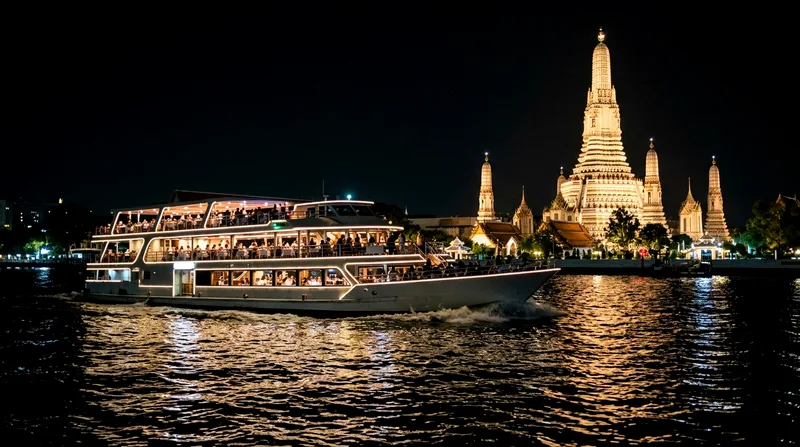
Compare Bangkok's best dinner cruise food options—buffet vs set menu, romantic vs family-friendly—so you book the right Chao Phraya cruise.
9 min read · 8 Oct 2026
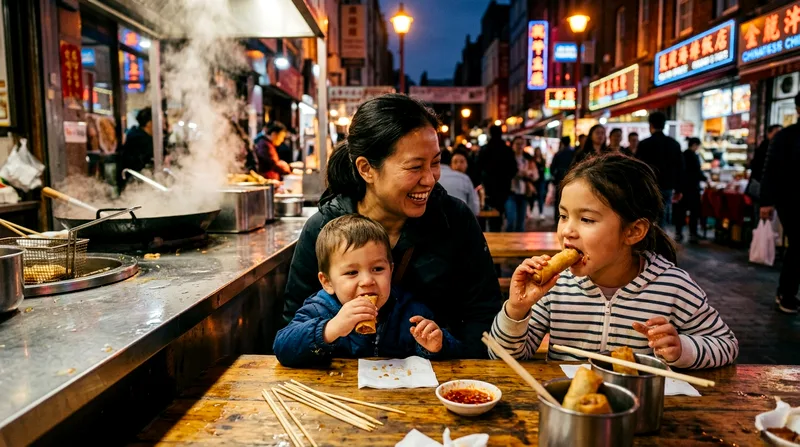
Discover kid-friendly Bangkok food tours with mild spices, short walks, and engaging guides. Find the perfect family food experience today.
8 min read · 8 Oct 2026
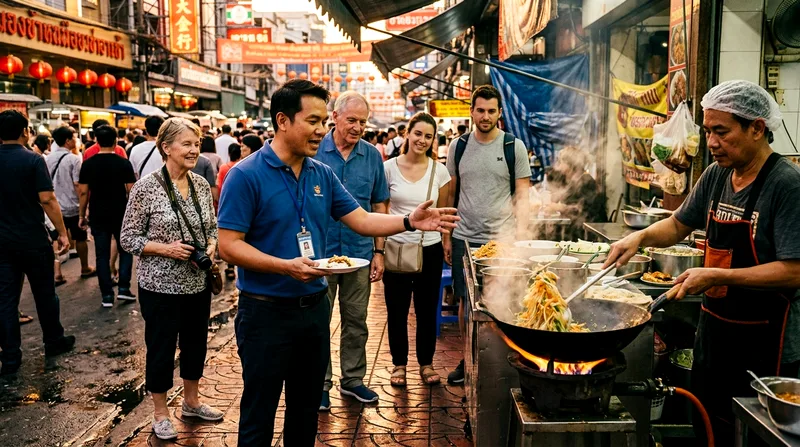
Compare Bangkok food tours and cooking classes on price, time, and takeaway value. Find which culinary experience suits your travel style.
8 min read · 8 Oct 2026
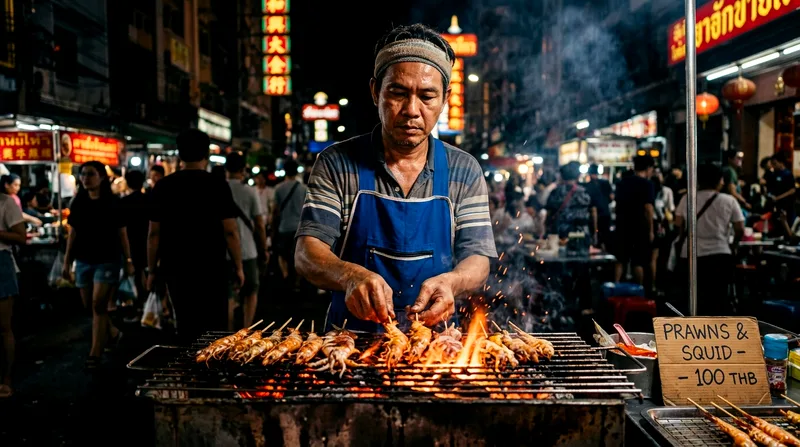
Compare the best Bangkok street food tours in Chinatown and Yaowarat — evening walks, tuk tuk rides, vegetarian options, and what to check before booking.
8 min read · 8 Oct 2026
Compare half-day and full-day Bangkok cooking classes. Learn Thai dishes, market visits, pricing, and how to book the right class for you.
8 min read · 8 Oct 2026