Bangkok Budget Itinerary: Affordable 4-Day Trip Plan
Explore Bangkok cheaply with this 4-day budget itinerary. Mix free temples, markets, street food, and low-cost tours. Daily cost breakdown included.
9 min read · 8 Oct 2026
Itineraries
Ready-to-follow Bangkok itineraries for 1 to 7 days. Tailored plans for solo travelers, couples, families & luxury seekers with bookable tours included.
This Bangkok itinerary is built for people who want a plan they can actually follow, not a wish list. Whether you've got a single layover day or a full week, the structure below gives you a realistic route through temples, markets, food, and the river — with one bookable experience per day worth reserving ahead rather than winging it.
Solo travelers can move fast and slot in extra neighborhoods; couples will want to weight the itinerary toward rooftop dinners and river cruises; families need more buffer time and fewer back-to-back temples, since kids tire of removing shoes every twenty minutes. Senior travelers should lean on the BTS Skytrain and river boats over tuk-tuks, both for comfort and because Bangkok's heat and humidity hit hardest between 11am and 3pm regardless of age.
If you're arriving from Chiang Mai or Siem Reap, you've likely already done a few temple-heavy days — Bangkok's old city will feel familiar but busier. If this is your only Southeast Asia stop and you're tempted to also squeeze in Pattaya or Hua Hin, know that both add at least a half-day of travel each way and are better saved for a return trip. Bangkok alone, done properly, fills a week without repeating yourself.
One day in Bangkok is a compromise, not a victory lap. If you're on a cruise stopover or a long layover, this plan hits the essentials and skips anything requiring a long taxi ride.
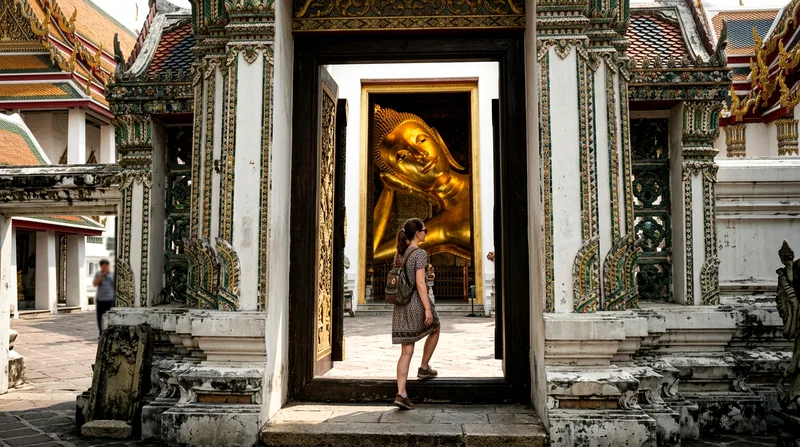
Start at 8am, before the heat and the tour buses arrive. The Grand Palace and Wat Phra Kaew (Temple of the Emerald Buddha) open at 8:30am, and lines stretch fast after 10am. Dress rules are strict — covered shoulders and knees, no flip-flops — and there's no rental service onsite worth counting on, so wear the right clothes from the hotel. Budget 90 minutes inside. From there it's a 10-minute walk to Wat Pho to see the Reclining Buddha, then a short ferry hop across the Chao Phraya River to Wat Arun for the view back toward the palace complex. This river-temple combo is the single best bookable experience for a one-day visit — reserve a guided half-day temple tour in advance so you're not negotiating entry logistics solo on a tight clock.
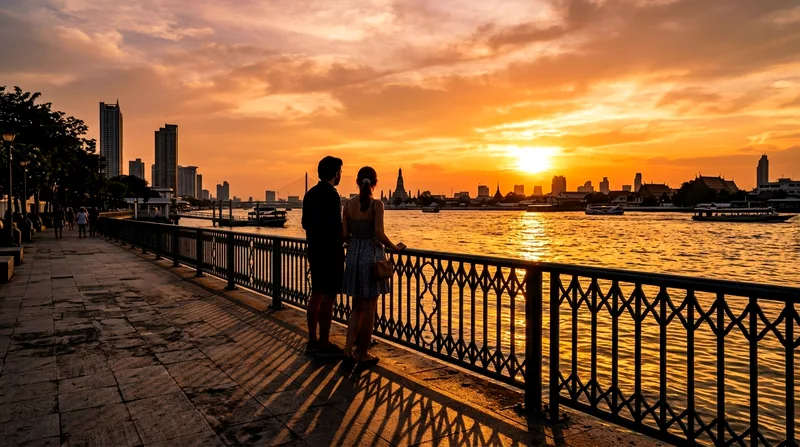
After lunch near the river — skip the tourist-trap restaurants right by Wat Pho and walk ten minutes into a side street for better, cheaper food — head to Chinatown (Yaowarat) for a couple of hours of street food grazing and shophouse browsing. By early evening, take a Chao Phraya sunset boat tour; it's the easiest way to see the illuminated temples and skyline without fighting traffic. If boats aren't your thing, a rooftop bar in Silom or along the river is the fallback, though with kids in tow, a riverside restaurant terrace works better than a bar. Rain is common from June to October — keep the Grand Palace in the morning slot and treat an air-conditioned market hall like Talad Rot Fai as your indoor backup.
Three days is the minimum I'd recommend for anyone who isn't purely in transit. It lets you pair the big sights with at least one day trip and a proper night out, without feeling rushed.
Three days covers the essentials plus one day trip, while five to seven days adds Ayutthaya and lets you slow down without missing anything major.
Bangkok itinerary options compared by length, pace, and best fit
| Itinerary Length | Pace | Day Trips Included | Best For |
|---|---|---|---|
| 1 Day | Very rushed | None | Layovers, cruise stopovers |
| 3 Days | Busy but doable | One (floating market) | First-time visitors, couples |
| 5 Days | Comfortable | Two (floating market, Ayutthaya) | Families, senior travelers |
| 7 Days | Relaxed | Two, plus free days | World travelers, repeat visitors |
Timings assume typical traffic and dry-season weather; add buffer time during the June–October rainy season.
Follow the 1-day plan above for the morning — Grand Palace, Wat Phra Kaew, Wat Pho, Wat Arun. In the afternoon, rest for an hour (genuinely — the old city walking adds up) before heading to Chinatown for dinner. Book a Chinatown food walking tour for the evening rather than doing it solo; a guide knows which stalls rotate seasonally and keeps you from overpaying as an obvious tourist.
This is a full-day excursion. Damnoen Saduak floating market is the famous one, about 1.5 hours from central Bangkok, but it's heavily touristed by mid-morning. Amphawa floating market, roughly the same distance, runs more authentically in the late afternoon and evening and is the better choice if you can only pick one. Reserve a floating market half-day or full-day tour that includes round-trip transport — driving yourself isn't worth the hassle, and public transport options are limited and slow. Evening back in Bangkok: keep it light, maybe a foot massage and an early night.
Morning in Siam Square for shopping and air-conditioned relief — Siam Paragon and MBK Center cover both luxury and bargain ends. Afternoon, head to Sukhumvit for a different pace: sky bars, boutique cafés, and the BTS running right overhead. Reserve a rooftop dinner experience for sunset; book ahead, since the well-known rooftop venues enforce dress codes and minimum spends, and walk-ins get the worst tables. Finish in Silom or Sukhumvit's side streets for street food and nightlife. If you're traveling with kids, swap the rooftop bar for a dinner cruise instead — same river views, no velvet rope.
Five days is where Bangkok really opens up — enough time for Ayutthaya, a couple of different neighborhoods, and a slower pace that doesn't feel like checklist tourism. This is also roughly the point where comparing Bangkok to Kuala Lumpur becomes fair: both are sprawling, modern Asian capitals with huge food scenes, but Bangkok's historic core is more concentrated and walkable once you're in it.
Run the 3-day plan's Day 1 and Day 2 as-is: old city temples and Chinatown on day one, a floating market day trip on day two. With the extra time, add Jim Thompson House on day one afternoon instead of resting immediately — it's a small, quiet counterpoint to the Grand Palace crowds and takes under an hour.
Day 3 is Ayutthaya, the former Siamese capital about 80 minutes north by car or roughly 1.5–2 hours by train. The ruined temple complexes — Wat Mahathat with its famous tree-wrapped Buddha head, Wat Chaiwatthanaram — are genuinely worth the trip, and far less crowded than anything inside Bangkok. Book a full-day Ayutthaya tour that includes a guide; the historical context (Burmese sackings, shifting capitals) makes the ruins mean something rather than just photographing broken brick. Compare this to a Chiang Mai add-on: Chiang Mai requires a flight and at least two full days to be worthwhile, while Ayutthaya is a clean day trip you can finish by dinner. Day 4, stay local: explore Sukhumvit by day, Silom by night, mixing shopping with low-key food stops.
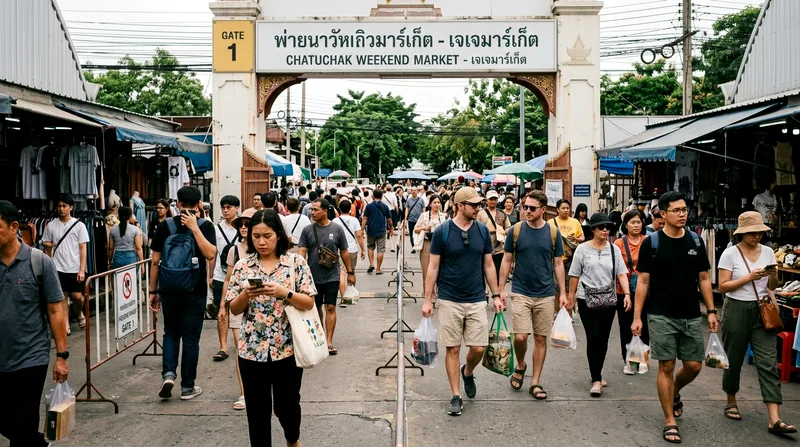
Use the morning for last-minute shopping — Chatuchak Weekend Market if it's a Saturday or Sunday, otherwise Siam Square or the Sukhumvit malls. Reserve a late-afternoon rooftop dinner experience as your send-off; it's a better use of a final evening than another temple. If your flight is early the next day, stay in Sukhumvit near the airport rail link rather than the riverside, which adds 30–40 minutes of transit time.
Traffic is the one thing every Bangkok itinerary has to plan around. A 5km trip by road can take 15 minutes or 50 depending on time of day, so building your route around rail and river transport — not taxis — is what actually keeps you on schedule.
The BTS Skytrain and MRT subway cover Sukhumvit, Siam, Silom, and Chatuchak efficiently, with trains every 3-5 minutes and fares typically between 16 and 62 baht per trip depending on distance. Buy a Rabbit Card for the BTS to skip the ticket machine queues. The catch: neither system reaches the old city temples directly, so you'll still need a short taxi or boat connection for the Grand Palace and Wat Pho.
Metered taxis are cheap by European standards — most crosstown rides run 80-200 baht — but insist on the meter; some drivers near tourist sites quote flat fares that run double. Tuk-tuks are fun once, overpriced every other time, and I'd skip them beyond a novelty ride. The Chao Phraya Express Boat is the most underrated transport option: cheap, scenic, and it bypasses road traffic entirely between the old city and riverside hotels.
Where you sleep shapes how much of each day gets eaten by transit. Bangkok doesn't have one obvious "best" base — it depends on whether you're prioritizing nightlife and convenience or river views and old-city access.
Sukhumvit sits directly on the BTS line, close to Siam Square's malls and Silom's nightlife, with the widest range of hotels from budget to five-star. It's the default pick for solo travelers and couples who want easy rail access and don't mind being 25-30 minutes by taxi or boat-plus-walk from the old city temples. The trade-off: it's generic, modern, and could be any Asian business district at night.
Riverside hotels near the Chao Phraya River put you close to Wat Arun, the Grand Palace, and the river boats, with genuinely better views and a slower, older-Bangkok atmosphere. Many offer hotel shuttle boats into the old city, cutting out taxis entirely. The downside is distance from Sukhumvit's nightlife and the BTS network — expect a taxi or boat transfer for evenings out, which matters more for younger solo travelers than for couples or families prioritizing sightseeing.
Three days covers the Grand Palace, Chinatown, and one floating market day trip without feeling rushed. Five days adds Ayutthaya and lets you explore Sukhumvit and Silom properly. Anything under two days means picking between temples and markets — you won't comfortably do both.
Wat Phra Kaew (inside the Grand Palace complex), Wat Pho for the Reclining Buddha, and Wat Arun across the river are the three that justify the strict dress code and the crowds. If you have extra time, Wat Saket (Golden Mount) offers a quieter city view with far fewer visitors.
Yes, if you have at least four days in Bangkok total. The ruined temple complexes are about 80 minutes away by road and offer a genuinely different historical experience from the city's active temples. Skip it only if you're also planning to visit Chiang Mai, which has comparable historic temple sites without the extra day-trip logistics.
Sukhumvit suits travelers who want BTS access, nightlife, and shopping nearby. Riverside hotels near the Chao Phraya suit those prioritizing the old city temples and river views. Silom works well for a mix of business-district convenience and proximity to nightlife, with solid BTS and MRT connections.
Use the BTS Skytrain and MRT subway for most trips — fares run roughly 16-62 baht and avoid traffic entirely. The Chao Phraya Express Boat covers river-adjacent sights for a similar low fare. Reserve taxis for short hops where rail doesn't reach, and always insist on the meter.
Explore Bangkok cheaply with this 4-day budget itinerary. Mix free temples, markets, street food, and low-cost tours. Daily cost breakdown included.
9 min read · 8 Oct 2026
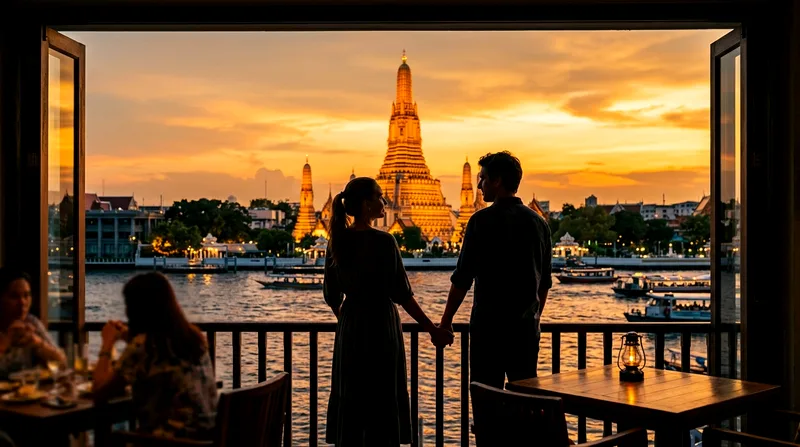
A 3-day Bangkok itinerary for couples with sunset cruises, spa days, rooftop dining, and bookable romantic experiences worth planning ahead.
9 min read · 8 Oct 2026
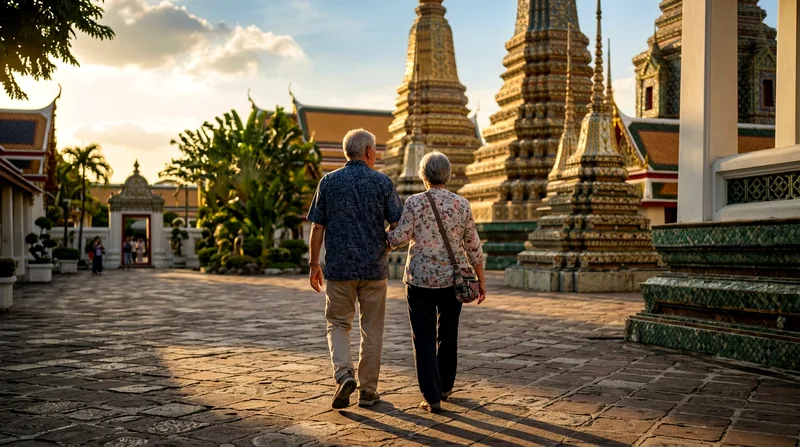
A senior-friendly Bangkok itinerary with accessible temples, air-conditioned transport, rest breaks, and bookable experiences over 3-4 days.
9 min read · 8 Oct 2026
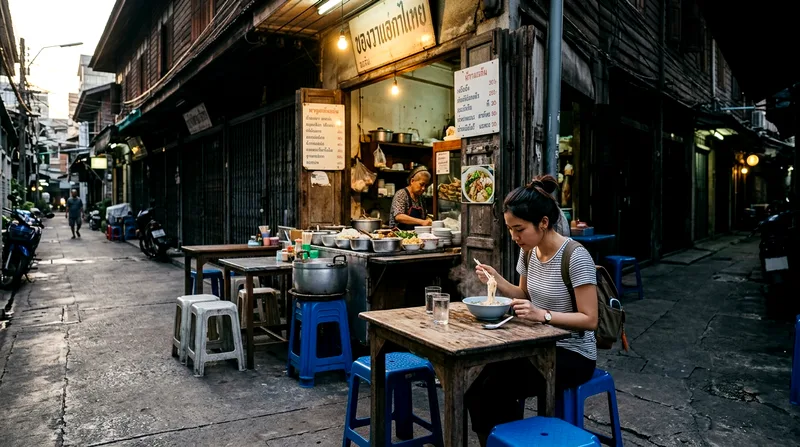
A practical Bangkok solo travel itinerary with group tours, safe evening activities, and single-supplement-free bookings for solo visitors.
10 min read · 8 Oct 2026
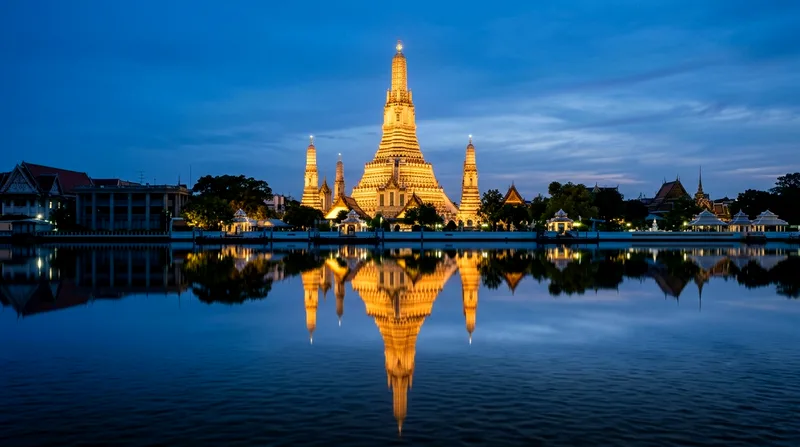
Plan 5 days in Bangkok itinerary with temples, markets, riverside culture & day trips. Daily routes, timings, where to stay, and what to book ahead.
10 min read · 8 Oct 2026
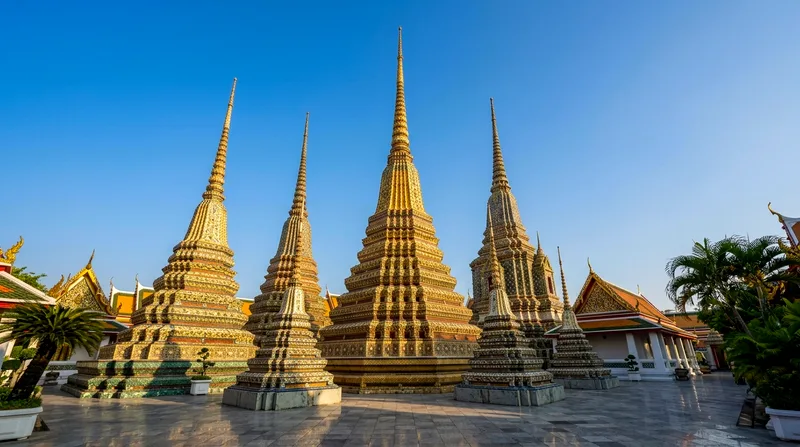
A practical 3 days in Bangkok itinerary covering temples, street food, markets, and river cruises, with options for families, couples, and solo travelers.
10 min read · 8 Oct 2026
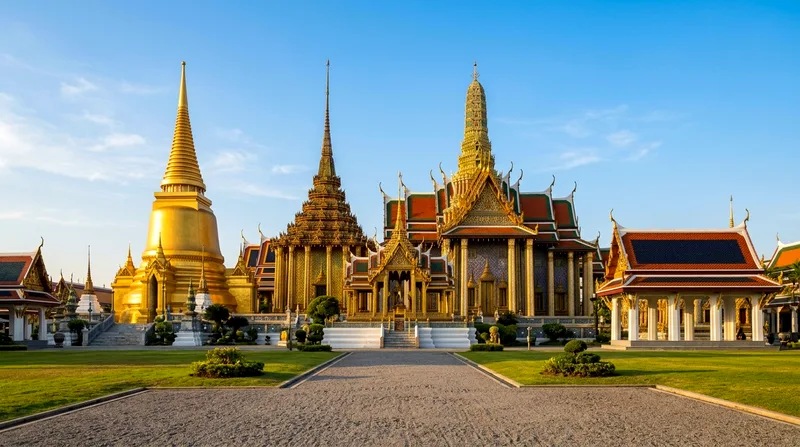
Maximize your Bangkok visit with this hour-by-hour 1 day in Bangkok itinerary. Hit temples, markets, and riverside attractions with skip-the-line tips.
9 min read · 8 Oct 2026