Compare Bangkok hop-on hop-off bus tickets, routes, and operators. See pricing, stops, and whether it's worth it versus BTS and taxis.
What Is a Hop-On Hop-Off Bus?
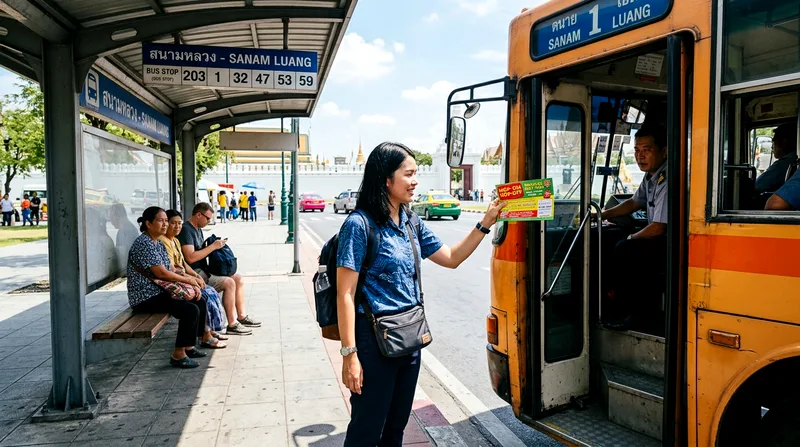
A hop-on hop-off bus is a circular sightseeing route serving Bangkok's major landmarks, where a single ticket lets you board and disembark as many times as you like within a set validity period — usually 24, 48, or 72 hours. You buy one ticket, get on at any stop along the loop, get off wherever you want to explore, then catch a later bus to continue. It's the same model used in cities like Kuala Lumpur and dozens of European capitals, so if you've used one elsewhere, Bangkok's version will feel familiar.
In Bangkok specifically, this matters because the city's attractions are spread across a river, several districts, and a transit system that doesn't reach everywhere. Wat Pho and the Grand Palace sit along the Chao Phraya River, while Siam Square and the shopping districts sit several kilometers northeast, connected by BTS Skytrain but not always efficiently by road. A hop-on hop-off loop stitches these together without you needing to negotiate tuk-tuk fares or flag taxis in afternoon heat.
I'd call this a reasonable option for a single day of orientation, not a transport solution for your whole trip. The bus moves at the pace of Bangkok traffic, which during rush hour can mean standing still for 20 minutes at a time.
How the Service Works
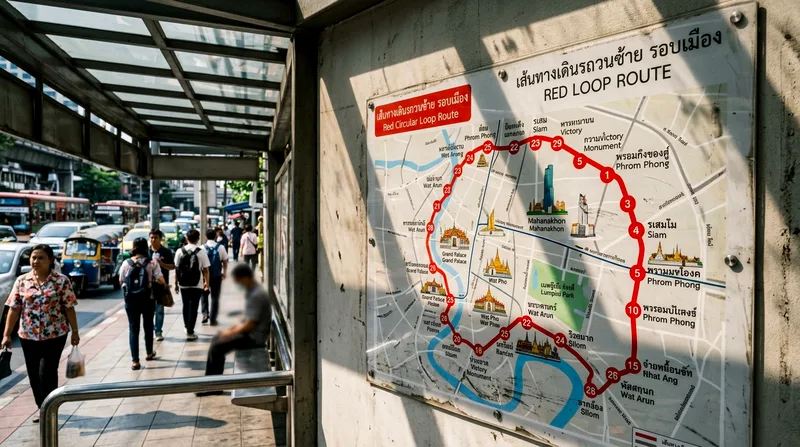
You buy a ticket — physically at a kiosk, or more commonly online in advance — and receive either a paper voucher or a QR code to show staff when boarding. Buses typically run a continuous loop in one direction, stopping at 10 to 20 marked points near major attractions. You don't need a reservation to board at each stop; you simply show your ticket and get on when a bus arrives. Most operators provide a printed or app-based map showing the full loop and approximate stop order, though exact arrival times at each stop aren't usually guaranteed down to the minute.
What's Included and Excluded
The ticket covers unlimited rides on the loop for its validity window and, on most operator tickets, a basic audio guide in several languages through onboard headphones or speakers. What it doesn't cover: entry fees to attractions like the Grand Palace or Wat Pho, food, or river boat add-ons (some packages bundle a river cruise, but that's sold separately as an add-on, not included by default). Don't assume the bus will drop you at the exact entrance of a site — some stops require a five- to ten-minute walk, which matters if you're traveling with a stroller or have mobility issues.
Ticket Types and Duration Options
Most Bangkok hop-on hop-off operators sell tickets in 24-hour, 48-hour, and sometimes 72-hour blocks, measured from first use rather than calendar days. That distinction matters: if you board at 3pm, a 24-hour ticket expires at 3pm the next day, not at midnight.
Operators such as City Sightseeing Bangkok and smaller regional names like Elephant Bus Tours and Giants City Tour structure pricing similarly — roughly 700 to 900 Thai baht for a 24-hour pass, with 48-hour passes priced somewhat higher but rarely double. These figures shift, so treat them as a ballpark and confirm current pricing on the operator's official page or through a booking platform before paying.
1-Day, 2-Day, and 3-Day Passes
A 1-day pass suits travelers doing a single sightseeing sweep — Grand Palace in the morning, Wat Pho after lunch, maybe a late-afternoon stop near Siam Square. A 2-day pass makes sense if you want to split landmarks across two unhurried days, perhaps with an afternoon break at your hotel in between. The 3-day option exists mostly for families or senior travelers moving slowly, but by day three most visitors have already seen what the loop covers and are better served switching to the BTS or taxis for anything new.
Pricing and Operator Comparison
Price differences between operators are usually modest — a few hundred baht at most — and come down to route coverage and bus frequency rather than luxury. City Sightseeing Bangkok tends to have wider name recognition and more stops; smaller operators sometimes undercut on price but run fewer buses per hour, meaning longer waits. Always check how many stops a ticket actually covers rather than assuming more expensive means better coverage.
Routes, Stops, and Coverage
Bangkok hop-on hop-off routes generally loop through the old city and river area — where temples and the Grand Palace sit — before swinging toward newer commercial districts near Siam Square and sometimes Chinatown. Coverage rarely extends to places like Chatuchak Market or the outer suburbs; those require a taxi, BTS, or MRT connection on top of your bus ticket.
A 24-hour pass covers one solid day of landmark-hopping, while longer passes add limited extra value once you've seen the main loop.
Bangkok hop-on hop-off bus tickets compared by duration, coverage, and cost
| Pass Type | Typical Validity | Approx. Price Range (THB) | Stops Covered | Best For |
|---|---|---|---|---|
| 24-hour pass | 24 hours from first use | 700–900 | 10–15 | Single-day sightseeing sweep |
| 48-hour pass | 48 hours from first use | 900–1,200 | 10–18 | Two relaxed sightseeing days |
| 72-hour pass | 72 hours from first use | 1,100–1,400 | 10–18 | Slow-paced families, seniors |
| BTS day pass | Calendar day | 150–160 | All BTS stations | Fast point-to-point travel |
| Metered taxi | Per trip | Varies by distance | N/A | Direct, flexible routing |
Prices are approximate and change by operator and season — confirm current figures on the official booking page before purchase.
Major Attractions and Landmarks
Expect stops near Wat Pho, the Grand Palace, Wat Arun (sometimes via a short river crossing arranged separately), Siam Square's shopping cluster, and occasionally Chinatown's Yaowarat Road. Some routes add a stop near Jim Thompson House or the Victory Monument area. If a specific attraction matters to your trip — say, Chatuchak Weekend Market or Khao San Road — check the route map before buying, because not every operator covers every popular spot.
Frequency and Wait Times
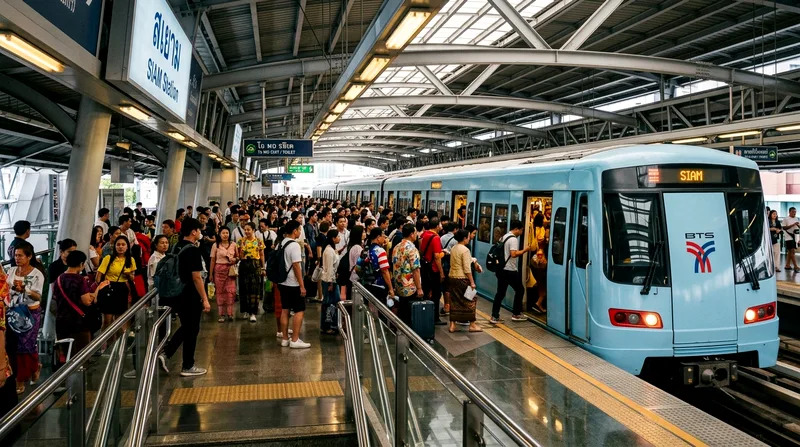
Buses typically arrive every 30 to 45 minutes per stop, though this stretches during heavy traffic, particularly weekday rush hours between roughly 7–9am and 4–7pm. This is the single biggest limitation of the system: if you've just missed a bus, you could lose half an hour standing at a stop with no shade. Compare that to a BTS train, which runs every 5 to 10 minutes on a fixed schedule unaffected by road traffic.
Where and How to Book Tickets
You can buy Bangkok hop-on hop-off bus tickets directly through an operator's own website, at street kiosks near major tourist stops, or — more reliably — through established booking platforms. This is where most travelers actually book, since platforms often show the same ticket at comparable pricing with clearer cancellation terms than a street vendor can offer.
Official Booking Platforms
Klook, Viator, Trip.com, and Traveloka all list Bangkok hop-on hop-off tickets from the main operators, often alongside verified buyer reviews on TripAdvisor. Booking through one of these platforms gives you a digital voucher or QR code instantly, which avoids the queue at a kiosk and gives you a paper trail if something goes wrong. Compare current prices and reviews across two or three platforms before booking — the underlying ticket is usually identical, but service fees and cancellation flexibility differ.
Cancellation and Redemption Policies
Most platforms allow free cancellation up to 24 hours before the ticket's activation, though this varies by operator and should be checked at checkout rather than assumed. Redemption is typically self-service: show your voucher QR code to the staff member at the first stop, and your validity window starts from that scan — not from your purchase date. Keep a screenshot of your voucher in case of poor mobile signal; relying solely on an email link at a crowded stop is a common frustration travelers report.
Is It Worth It? Hop-On Bus vs. BTS and Taxis
This is the real question, and the honest answer is: it depends heavily on how you travel. A hop-on hop-off bus charges a flat fee for unlimited rides on a fixed loop; the BTS and MRT charge per trip based on distance, usually 17 to 59 baht per journey; taxis charge by meter plus traffic time. For pure point-to-point efficiency, nothing beats the BTS — it's unaffected by road congestion and reaches far more of the city than any sightseeing loop.
Cost Comparison by Traveller Type
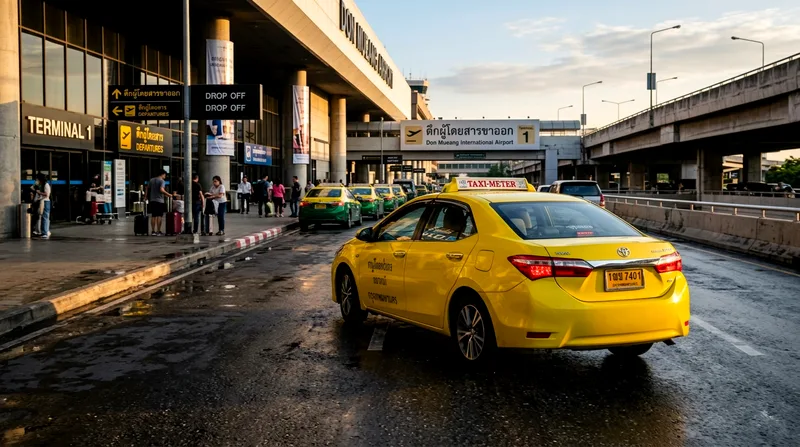
A solo backpacker visiting three or four landmarks in a day will almost always spend less using BTS plus short taxi hops than buying an 800-baht bus pass. A family of four, by contrast, might find the flat per-person bus price comparable to four BTS fares plus the hassle of navigating stations with kids and luggage — and the bus seat guarantees everyone sits together. Senior travelers who find station stairs or standing on crowded trains uncomfortable often get real value from the bus's door-to-door simplicity, even at a higher per-day cost.
Best Use Cases and Limitations
The bus earns its price on day one of a trip, when you want an overview without planning logistics. It loses value fast after that — once you know where things are, taxis and the BTS get you there faster and usually cheaper. I wouldn't recommend it for travelers with fewer than two full days in Bangkok, since the loop's pace eats into limited time; nor would I recommend it to anyone planning day trips to Ayutthaya or Pattaya, which fall well outside any city loop's coverage and need a separate tour or train ticket entirely.
Frequently asked questions
What is included in a Bangkok hop-on hop-off bus ticket?
It includes unlimited rides on the fixed loop for the ticket's validity period (typically 24–72 hours) and usually a multilingual audio guide. It does not include attraction entry fees, food, or river crossings unless explicitly bundled as an add-on package — check the listing details before assuming otherwise.
Where can I buy hop-on hop-off bus tickets in Bangkok?
You can buy them through platforms like Klook, Viator, Trip.com, or Traveloka, or directly at kiosks near stops such as Wat Pho or Siam Square. Booking online beforehand is generally easier — you get an instant QR voucher and can compare prices across platforms before paying.
Is a hop-on hop-off bus cheaper than BTS or taxis?
Not usually, if you're only visiting a handful of sites. BTS fares run roughly 17–59 baht per trip, far below a 700–900 baht day pass. The bus becomes more cost-competitive for families or travelers making many stops across a full day of sightseeing.
How many stops does the hop-on hop-off bus have?
Most Bangkok routes run 10 to 18 stops covering the old city, riverside temples, and commercial districts like Siam Square. Exact stop counts vary by operator, so check the specific route map before buying if a particular attraction is a priority.
Can I cancel or change my hop-on hop-off bus ticket?
Many platforms offer free cancellation up to 24 hours before activation, but policies differ by operator and booking site. Always check the cancellation terms at checkout rather than assuming — some discounted tickets are non-refundable.