Plan your Chatuchak market tour with this guide covering entry, best times, what to buy, and whether to book a guided tour or go it alone.
What is Chatuchak Market and Why Visit
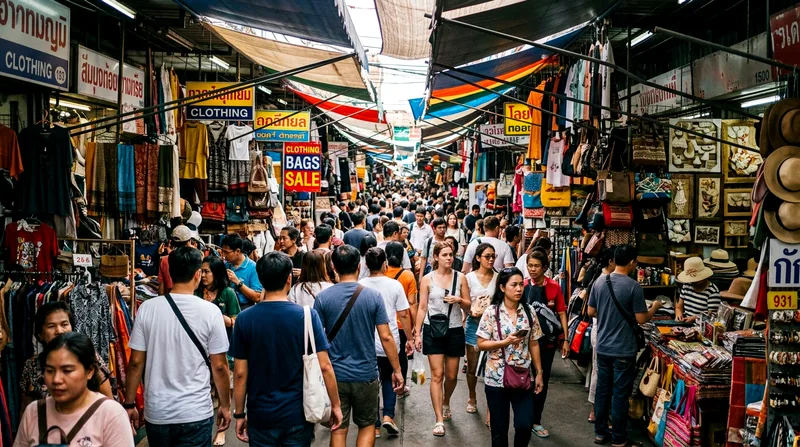
Chatuchak Weekend Market — locals call it JJ Market — sits in northern Bangkok near Mo Chit and covers roughly 35 acres, split into more than two dozen numbered sections. Estimates put the stall count at around 15,000, which makes it one of the largest weekend markets anywhere in the world, well beyond anything Chiang Mai's night bazaar or Pattaya's walking street markets attempt. It's been running since the 1980s on the same patch of land, and most of Bangkok still treats it as the default place to find things you can't get at a mall.
The appeal isn't just size. Chatuchak mixes genuine wholesale trade — vendors buying in bulk for shops elsewhere in Thailand — with retail stalls selling direct to tourists. That combination means prices on things like clothing and homeware are often lower than in Bangkok's tourist-focused markets, though you do need to know roughly what something should cost before you start negotiating.
Market scale and shopping categories
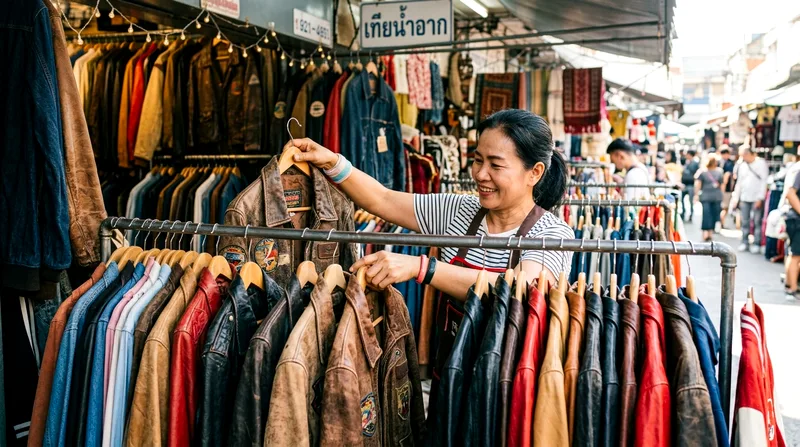
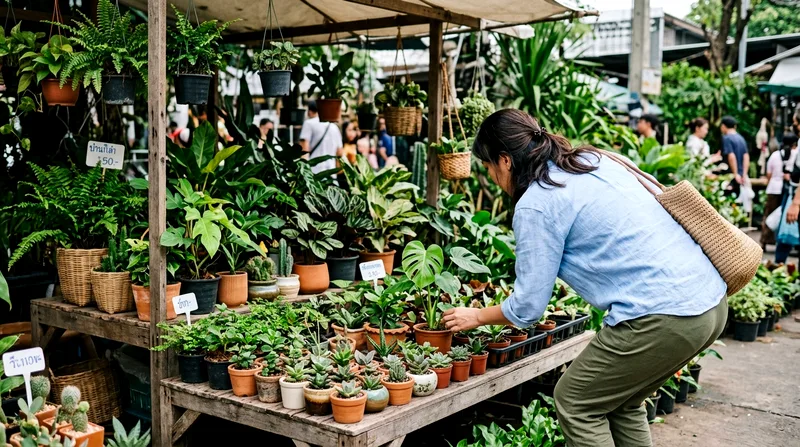
Sections are organized loosely by product type, though "loosely" is the operative word — a clothing section might bleed into furniture, and numbering isn't always sequential as you walk. Broad categories include vintage and secondhand clothing, handmade ceramics and home décor, plants and garden tools, pet accessories, vintage vinyl and books, leather goods, and an entire zone dedicated to Thai antiques and collectibles. There's also a section of art and design studios run by younger Thai designers, which tends to surprise first-timers expecting only tourist trinkets.
The honest trade-off: quality varies wildly stall to stall, and there's no single information desk that can tell you where to find a specific item. Printed maps exist near the entrances, but they go out of date as vendors rotate. That unpredictability is part of what makes a guided structure — whether a booked tour or your own planned route — genuinely useful here, more so than at a compact market like Pratunam.
Why guided tours save time and money
A guided Chatuchak market tour, the kind listed on platforms like Viator or Headout, typically runs two to three hours and groups a handful of travelers with a local guide who knows the layout and, often, specific vendors worth a stop. The value isn't the walking — you can walk it yourself — it's the orientation. Guides generally start with a route that hits a representative mix of sections (clothing, crafts, food) rather than leaving you to wander section 2 for 40 minutes because you can't find the exit to section 3.
Money-wise, a guide won't necessarily get you lower prices — Thai vendors negotiate on volume and persistence, not on who's escorting you — but they can flag which stalls are overpriced for tourists versus fairly priced for everyone. That's worth something if you're buying more than a fridge magnet.
Guided Tours vs. Independent Exploration
This is the real decision point, and there's no universally correct answer — it depends on your tolerance for getting lost and how much shopping you actually plan to do. I'd say: if it's your only trip to Bangkok and you have one weekend morning free, lean toward a guided tour. If you're staying a week or more, or you've done big markets before — Kuala Lumpur's Central Market, say, or Siem Reap's Old Market — go independent and save the money.
A guided Chatuchak market tour trades flexibility for time savings, while going independent costs less but demands more planning.
Chatuchak Market tour options compared: guided vs. independent visits
| Approach | Typical Duration | Cost | Best For | Navigation Difficulty |
|---|---|---|---|---|
| Guided tour (Viator/Headout) | 2-3 hours | Paid, check current pricing | First-timers, short layovers | Low — guide leads route |
| Independent visit | 3+ hours | Free (market entry) | Repeat visitors, slow browsers | High — easy to get lost |
| Combined tour (market + nearby sight) | 4-5 hours | Paid, check current pricing | Travelers short on days | Low — structured itinerary |
| Weekday visit (Tue only) | 1-2 hours | Free | Quick browse, fewer vendors | Moderate — many stalls closed |
Durations and prices are typical ranges; always confirm current tour pricing and inclusions before booking.
Benefits of booking a guided tour
Booked tours generally include a guide, a planned walking route, and sometimes a food tasting stop or two built in. Some itineraries bundle Chatuchak with a nearby attraction, which is worth checking when comparing options on Viator or Headout — a half-day combining the market with a boat ride or temple visit can be more efficient than doing them separately. Group sizes tend to be small, often under 15 people, which keeps things manageable in the narrower aisles.
The downside: a fixed group pace means you can't linger if you find a stall you love, and you can't skip a section that bores you. If you're a slow, deliberate browser, a tour's structure might feel restrictive rather than helpful. Always check current prices and exact inclusions before booking, since itineraries and durations vary by operator.
Self-guided visiting strategy
Going alone works fine if you do three things first: download an offline map of the market (several blogs publish annotated section maps), pick two or three sections you actually care about, and set a meeting point if you're in a group — phone signal inside can be patchy between the covered rows. Arrive by BTS or MRT (details below) and enter from Gate 1 or Gate 2 near the Kamphaeng Phet MRT exit, which drops you close to the clothing and home décor sections rather than the chaotic southern end.
Budget at least three hours if you're serious about browsing, and accept you will get lost at least once. That's normal — even longtime Bangkok residents double back constantly. The market's own numbering system resets oddly between zones, which trips up even experienced shoppers.
Tickets, Entry and Practical Information
Chatuchak has no admission fee — entry is free, which separates it from paid attractions elsewhere in Bangkok. The market mainly operates Saturdays and Sundays, roughly 9am to 6pm, though many stalls don't fully open until mid-morning and some sellers linger into early evening. A smaller, less crowded version runs midweek, but a large share of vendors don't show up outside the weekend, so a Tuesday visit will leave you disappointed.
Entry fees and operating hours
No ticket, no booking required for general entry — this is one reason a "tour" here is about guidance, not gatekeeping. If you book a guided tour, the fee covers the guide's time and any add-ons, not market access itself. Expect most clothing and souvenir stalls to be fully staffed by 10am on Saturday or Sunday, with the plant and garden section (open earlier, partly covered) sometimes starting before 8am.
Transportation and accessibility
The easiest route is the MRT Blue Line to Kamphaeng Phet station, which exits almost directly into the market, or the BTS Sukhumvit Line to Mo Chit, a five to ten minute walk away. Both options beat a taxi on a weekend morning, when traffic around the Chatuchak Park area backs up badly. Avoid arriving by car unless you enjoy circling for parking — there isn't much, and what exists fills early.
Accessibility is a real limitation worth naming honestly: aisles are narrow, uneven in places, and often shoulder-to-shoulder by midday. Wheelchair users and anyone with mobility difficulty should expect a slow, physically demanding visit, and the heat — Bangkok regularly hits 33-35°C (91-95°F) midday — makes it worse. Compare that to Siem Reap's more spread-out night markets, which are notably easier to navigate with mobility aids.
Best Time to Visit and What to Buy
Timing matters more at Chatuchak than at almost any other Bangkok attraction, because the market genuinely transforms between 9am and 2pm. Early arrival isn't just about comfort — it changes what's actually available and how much energy you have left for the far sections.
Peak hours and crowd avoidance
Arrive by 9:30am on a Saturday and you'll walk the main aisles with room to move; by noon, the clothing and souvenir sections are dense enough that browsing slows to a shuffle. Sunday tends to be marginally busier than Saturday, largely because more Thai families treat it as weekend shopping rather than tourist sightseeing. If heat and crowds both bother you, aim for an 8:30am start and plan to leave by early afternoon — the market doesn't get more pleasant as the day goes on, unlike, say, an evening market in Chiang Mai that cools and fills with good food smells after dark.
Top product categories and haggling tips
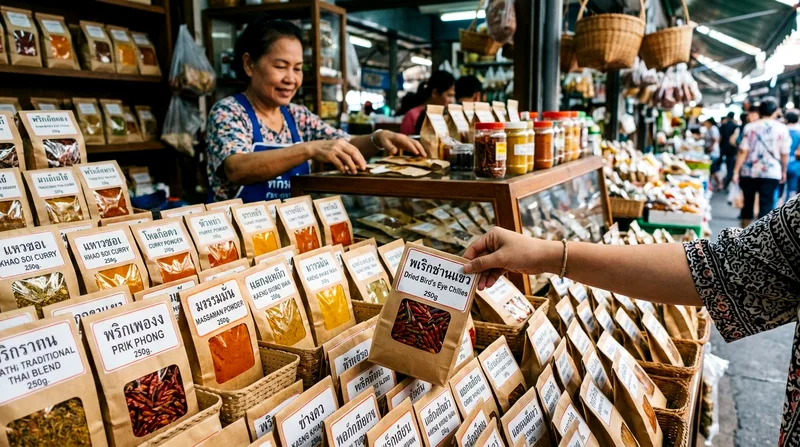
Strong buys include handmade ceramics, woodcraft, vintage Thai movie posters, secondhand Levi's and band t-shirts (genuinely sourced, not all fake), silver jewelry, and home textiles like woven cotton throws. Skip the obviously mass-produced "Thailand" t-shirts and keychains near the entrances — they're priced for people who won't walk further in, and you'll find better versions deeper into the market for less.
Haggling is expected but modest — aim to negotiate down 10-20%, not half the asking price, and understand that fixed-price stalls (often marked) won't budge at all. Cash in Thai baht moves things faster than cards; many smaller vendors don't take cards at all.
Nearby Attractions and Add-Ons
Chatuchak sits inside a cluster of things worth combining into a single outing, which is partly why some guided tours bundle it with other stops rather than treating it as a standalone half-day.
Markets and shopping nearby
Mixt Chatuchak and the adjacent Or Tor Kor Market (a covered fresh-food and produce market, open daily) sit a short walk away and make a good contrast — Or Tor Kor is calmer, air-conditioned in parts, and excellent for fruit and prepared Thai food if the open-air crowds get to you. If you want a different kind of market entirely, Pratunam Market in central Bangkok specializes in wholesale clothing and is far more compact — doable in under an hour, unlike Chatuchak's half-day commitment.
Food and dining experiences
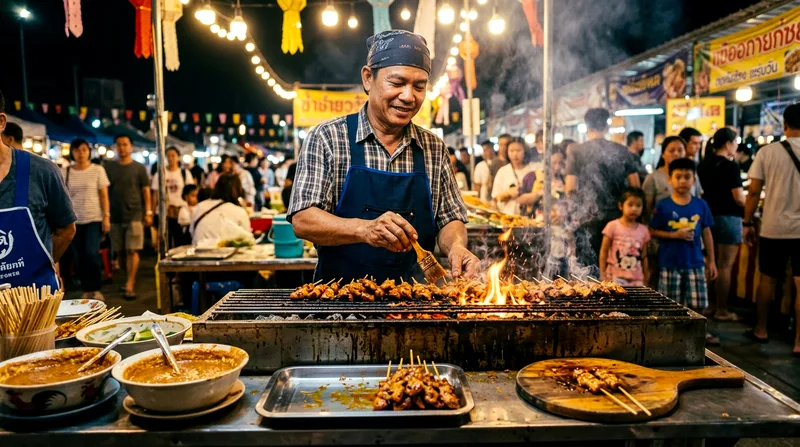
Food stalls scattered throughout the market serve everything from mango sticky rice to grilled skewers and Thai iced tea, and prices run low — most snacks cost 20-60 baht. The food section near the clock tower gets a reputation as the best concentrated spot for sit-down bites, with tables (sometimes scarce on busy afternoons) and a wider variety than scattered stalls elsewhere. Pace your eating; it's tempting to snack through every aisle and end up too full to enjoy the sit-down meal you'd planned afterward.
Frequently asked questions
What is included in a guided Chatuchak market tour?
Most guided tours include a local guide, a planned walking route through several key sections, and sometimes a food tasting stop. Market entry itself is free, so the fee covers the guide's expertise and time, not admission. Check specific listings on platforms like Viator or Headout for exact inclusions, since they vary by operator.
How long does a Chatuchak market tour take?
Guided tours typically run two to three hours, enough to cover a handful of sections without rushing. Independent visitors who want to browse thoroughly should budget at least three hours, and serious shoppers often spend half a day given the market's 35-acre layout and roughly 15,000 stalls.
Which day is best to visit Chatuchak Market?
Saturday morning, arriving by 9:30am, offers the best balance of open stalls and manageable crowds. Sunday is slightly busier with local shoppers. The market also runs on a reduced scale midweek, but many vendors skip those days, so weekday visits mean a noticeably smaller selection.
What can you buy at Chatuchak Market?
Strong categories include handmade ceramics, vintage clothing, Thai antiques, woodcraft, silver jewelry, plants, and home textiles. Avoid the mass-produced souvenir stalls right at the entrances — walk deeper into the market for better quality and lower prices on similar items.
How do I get to Chatuchak Market from central Bangkok?
Take the MRT Blue Line to Kamphaeng Phet station, which exits near the market entrance, or the BTS Sukhumvit Line to Mo Chit, about a five to ten minute walk away. Both are far more reliable than a taxi, since traffic around Chatuchak Park backs up heavily on weekend mornings.