Cut costs on Bangkok tours with combo deals, off-peak booking, and platform discounts. Smart tactics for budget-conscious travellers.
Where Your Tour Money Goes
Before you look for ways to save on Bangkok tours, it helps to understand what you're actually paying for. A typical half-day tour price splits roughly into guide wages, transport (van, boat, or tuk-tuk), entrance fees the operator has already paid upfront, and a margin for the company or platform selling it. None of this is fixed — it shifts depending on group size, season, and how many layers sit between you and the actual operator on the ground.
Entrance fees matter more than people expect. The Grand Palace costs 500 baht for foreign visitors, Wat Pho is 200 baht, and Jim Thompson House runs around 150 baht. A tour quoting a price "including entrance" is often just passing that cost straight to you with a small markup for convenience. That's not a scam — it's just worth knowing so you can judge whether the convenience fee is reasonable.
Operator Margins and Platform Fees
When you book through Viator or Klook, you're paying the operator's price plus the platform's commission, which typically runs somewhere between 15% and 30% depending on the product. That's not necessarily bad — you get buyer protection, reviews, and easier cancellation — but it does mean the identical tour booked through a local travel desk in Bangkok, or directly with a small operator's own website, can sometimes run 10-20% cheaper. The trade-off is you lose the platform's review system and standardized refund process, which for a first-time visitor is often worth paying for.
Peak vs. Off-Peak Pricing
Tour prices in Bangkok don't swing as wildly as hotel rates, but they do move. November through February — Bangkok's cool, dry season — sees the highest demand, and popular combo tours to the floating markets or Ayutthaya day trips can sell out, pushing operators to hold firm on price. April through September is quieter, hotter, and wetter, and that's when you'll find operators more willing to offer smaller private groups at the same group-tour price just to fill seats.
Legitimate Ways to Save on Bangkok Tours
Forget discount codes — most "save 20% now" banners you see on tour sites are either expired, region-locked, or apply to a product nobody actually wants. The durable ways to save on Bangkok tours are structural: how you book, when you book, and whether you need the extras being bundled in.
Start by separating "must be guided" experiences from "fine on my own." A Grand Palace and Wat Pho combo benefits from a guide who can explain the symbolism and keep you moving efficiently through the heat. A walk through Lumphini Park or a visit to a public market needs no tour at all — that's free or near-free, and skipping the guided version of anything you can easily self-navigate is the single biggest saving available to you.
Book Direct vs. Third-Party Platforms
If you already know which operator you want — maybe from a recommendation or a solid review history — check whether they sell directly before defaulting to a marketplace. Direct booking sometimes shaves off the platform fee, and you can occasionally negotiate group rates for parties of six or more that no platform listing shows. The catch: you lose the easy refund button and the aggregated review score that helps you vet unfamiliar operators. For a first Bangkok trip, booking through Viator or Klook is usually the safer trade, especially for higher-cost items like a Khao Yai National Park day trip where the drive is long and you want a reliable pickup.
Early-Bird and Advance Booking Discounts
Booking 2-4 weeks ahead rarely gets you a lower listed price, but it gets you access to the lower-priced tiers before they sell out — group tours commonly price in tiers, and the cheapest slots go first. Popular combo tours covering the Chao Phraya River and floating markets often fill their budget-tier departures during Thai public holidays and the December-January peak, leaving only pricier private slots by the time late bookers show up. Booking early doesn't create a discount; it preserves your access to the discount that already exists.
Timing and Seasonal Discounts
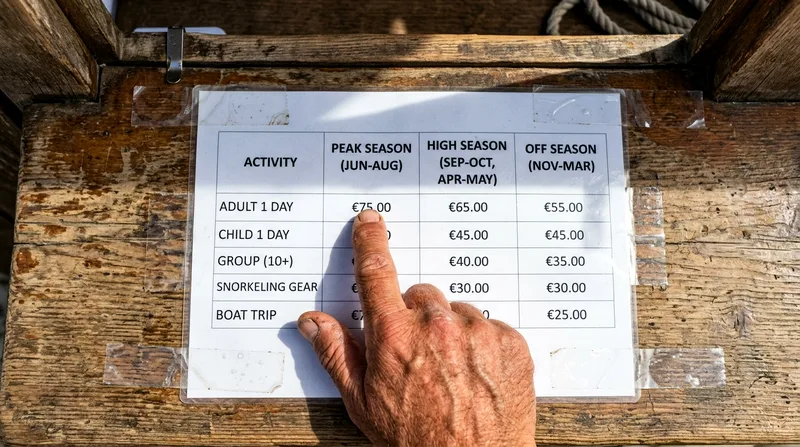
Seasonality affects Bangkok tour pricing less than it affects beach destinations like Phuket or Krabi, where villa and boat rates can swing 40% between seasons. Bangkok's tours are more stable because most run year-round regardless of rain — but there are still real patterns worth building your trip around.
Booking off-peak and midweek typically saves more on Bangkok tours than hunting for discount codes.
Bangkok tour booking strategies compared: timing, savings potential, and trade-offs
| Strategy | Typical Savings | Best Season/Timing | Trade-off |
|---|---|---|---|
| Book direct with operator | 10-20% | Anytime | Less buyer protection |
| Book via platform (Viator/Klook) | Baseline price | Anytime | Platform fee included, safer refunds |
| Travel in low season (May-Sep) | Moderate | Rainy season | Afternoon showers possible |
| Midweek departures | Small-moderate | Weekdays | Fewer departure time options |
| Combo tickets (Palace/Wat Pho/Wat Arun) | Moderate | Anytime | Less flexible schedule |
| Multi-attraction pass | Variable, can be zero | Anytime | Only worth it if you use most inclusions |
Figures are general patterns, not guaranteed discounts; always compare current prices before booking.
Low Season Rates and Shoulder Months
May through September is Bangkok's rainy season, and while that scares off some travelers, the rain is usually a one- to two-hour downpour rather than an all-day washout. Tour operators know this and will often price private tours closer to group rates just to keep bookings coming in. If you're flexible and willing to risk an afternoon shower, this stretch — especially June and September — tends to offer the softest pricing on river cruises and day trips to Ayutthaya, where outdoor temple visits are more pleasant without the peak-season crowds anyway.
Weekday vs. Weekend Pricing
Weekend departures for popular day trips — floating markets especially — draw both tourists and domestic weekend visitors from Bangkok itself, so group sizes swell and per-person savings on shared transport shrink. Booking a Wednesday or Thursday departure instead of a Saturday often means a smaller group, a calmer market experience, and occasionally a slightly lower rate since operators are filling off-peak capacity. If your schedule allows it, shifting a tour from weekend to midweek is one of the easiest adjustments with zero downside.
Combo Tickets and Multi-Day Passes
Combo tickets are where the real arithmetic favors you. Buying the Grand Palace and Wat Pho as a bundle, or stacking a river cruise with a floating market visit, almost always costs less than booking each piece separately — mainly because you're saving on repeated transport and pickup fees rather than getting a genuine discount on entrance prices.
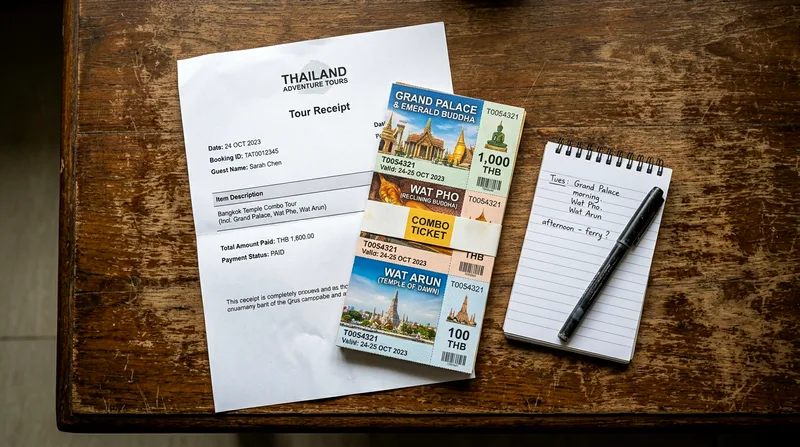
Temple and Attraction Bundles
A combined Grand Palace, Wat Pho, and Wat Arun tour is one of the most consistently good-value bundles in Bangkok because the three sites sit within a short boat or tuk-tuk ride of each other along the Chao Phraya River. Doing them separately on different days means paying for transport three times; bundling cuts that down to one. Jim Thompson House pairs less naturally with these river temples geographically, so it's often better value as a standalone half-day add-on rather than forced into a rushed full-day combo.
Multi-Activity Pass Savings
Multi-attraction passes that bundle five or six Bangkok sights at a flat rate can save money, but only if you'll realistically visit most of them within the validity window — usually 3 to 7 days. Buy one and only use half the inclusions, and you've overpaid compared to paying per-ticket. Do the math before buying: list the attractions you'd actually go to, add up their individual entrance prices, and compare that total against the pass price. If the gap is small, skip the pass and keep your itinerary flexible.
What's Not Worth Skimping On
Saving on Bangkok tours has limits, and chasing the absolute lowest price on certain things costs you more later — in wasted time, poor safety standards, or a miserable day in the heat.
Guide Quality and Safety Standards
On a Khao Yai National Park trip, a cheap operator cutting costs on guides often means a driver doubling as a "guide" with minimal wildlife knowledge and no proper briefing on leech season or trail safety. This is a park with wild elephants and venomous snakes — it's not the place to save 300 baht by picking the lowest-rated tour in the list. Read the actual review text, not just the star rating, since inflated ratings are common on every platform.
Transportation and Meal Inclusions
A noticeably cheaper floating market tour is often cheaper because it crams more people into an old van with no air conditioning, or skips lunch entirely and leaves you buying overpriced snacks at the market instead. Check what's actually included — air-conditioned transport and at least one proper meal on a full-day tour aren't luxuries in Bangkok's heat, they're basic functionality. Compare that against Ayutthaya day trips, where the drive is roughly 90 minutes each way; a van without working AC turns that into a genuinely unpleasant trip.
Smart Booking Checklist
A few habits before you click "book" will save more than any discount hunt.
Pre-Trip Research and Comparison
Open two or three listings for the same tour type side by side — Viator, Klook, and the operator's own site if it has one — and compare inclusions line by line, not just the headline price. A 200-baht difference often explains itself once you see one includes lunch and one doesn't. For comparison, a Kuala Lumpur or Siem Reap temple tour follows the same logic: the lowest listed price usually means something got cut, so read before you assume it's a bargain.
Cancellation Policy and Payment Security
Look for free cancellation up to 24 hours before departure — most reputable Bangkok tour listings offer this, and it costs you nothing to book early with that flexibility intact. Avoid any operator demanding full upfront payment via bank transfer with no platform protection; that's the one real shortcut to losing money rather than saving it. Pay by card through a recognized platform so you have recourse if a tour is cancelled or significantly different from the listing.
Frequently asked questions
What's the cheapest way to book Bangkok tours?
Compare the same tour across platforms like Viator and Klook plus the operator's direct site, checking inclusions line by line. Booking midweek, in the May-September low season, and bundling nearby attractions into one combo ticket typically beats any single discount code or promotion.
Do Bangkok tours cost less during low season?
Prices don't drop dramatically, but operators are more willing to offer private-tour comfort at group-tour prices between May and September when demand is lower. You trade lower crowds and softer pricing for a higher chance of a short afternoon rain shower.
Are combo passes worth buying?
Only if you'll realistically visit most of the included attractions within the pass's validity window, usually 3 to 7 days. Add up individual entrance prices for sites you'd actually visit and compare that total to the pass cost before buying.
How far in advance should I book to save money?
Two to four weeks ahead doesn't lower the listed price, but it secures access to the lower-priced booking tiers before they sell out, especially for floating market and Ayutthaya day trips during December-January peak season.
What should I never cut costs on in a Bangkok tour?
Don't skimp on guide quality for wildlife or outdoor trips like Khao Yai National Park, and don't book transport-heavy day trips without checking for air conditioning and at least one included meal — both affect safety and comfort directly.