Plan your Ayutthaya day trip from Bangkok. Compare guided tours vs DIY train travel, entry fees, river cruises & best temples. Book tickets online.
What is Ayutthaya and Why Visit
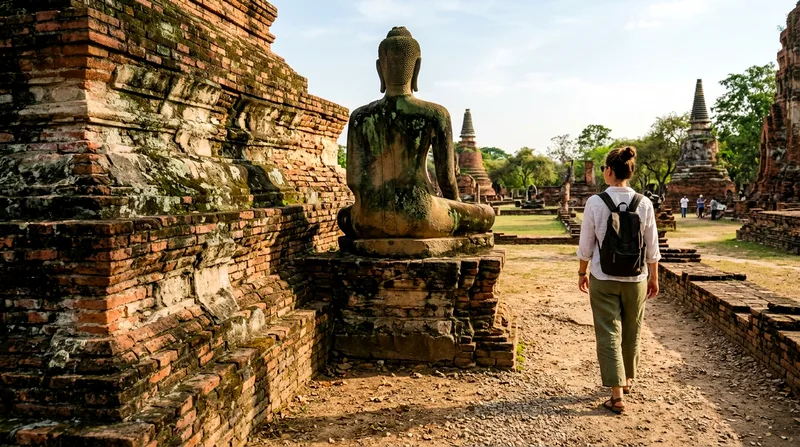
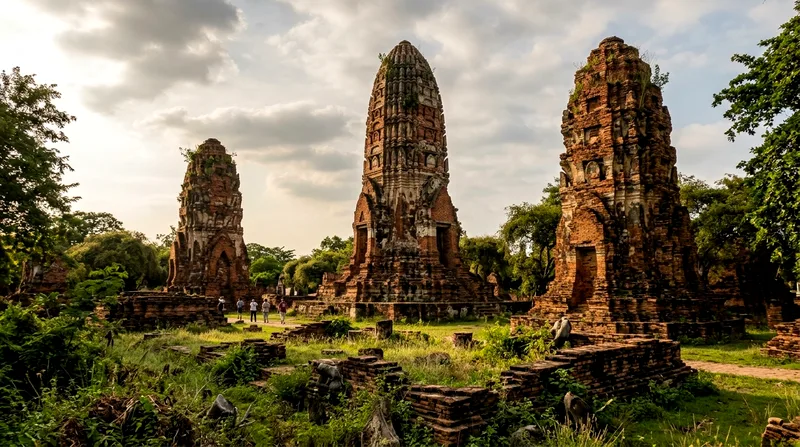
Ayutthaya was the capital of the Siamese kingdom for over 400 years, from 1350 until Burmese forces destroyed it in 1767. What's left is a field of brick temple spires, headless Buddha statues, and crumbling prang towers spread across a river island roughly 80 kilometers north of Bangkok. UNESCO listed the historic city as a World Heritage Site in 1991, recognizing it as one of Southeast Asia's most complete surviving examples of a pre-modern capital.
An Ayutthaya day trip from Bangkok works because the ruins are genuinely different from anything in the capital — no glass-and-gold temple complexes here, just raw brick and sandstone left mostly as the fires found them. Compare that to Chiang Mai's old city, where temples are still active and well-restored, or Siem Reap's Angkor, which is bigger and more jungle-covered. Ayutthaya sits in its own category: flatter, more compact, and doable without an overnight stay.
Historic significance and UNESCO status
At its peak, Ayutthaya was one of the largest cities in the world, with foreign trading communities from Portugal, Japan, the Netherlands, and Persia living within its walls. The UNESCO designation covers the historic city center, roughly 3 square kilometers bounded by three rivers, including the Chao Phraya, which still flows past the site today. The listing protects the temple ruins from further development, though erosion and humidity remain ongoing conservation issues — don't expect pristine restoration like you'd see in a rebuilt palace.
Main temples and ruins to see
Wat Mahathat is the one everyone photographs — a sandstone Buddha head wrapped in tree roots, likely toppled centuries ago and grown into the fig tree by accident. Wat Phra Si Sanphet, once the royal temple inside the palace grounds, has three iconic bell-shaped chedis in a row. Wat Chaiwatthanaram, built in Khmer style along the riverbank, is best visited near sunset for the reflection shots. If you have time for a fourth stop, Wat Ratchaburana has a climbable central prang with narrow, steep stairs — skip it if you're not steady on your feet.
Getting There: Train, Bus, or Private Transport
How to get to Ayutthaya from Bangkok comes down to three real options: train, bus or minivan, or private car. Each suits a different kind of traveler, and the "best" one depends on how much you value control over cost.
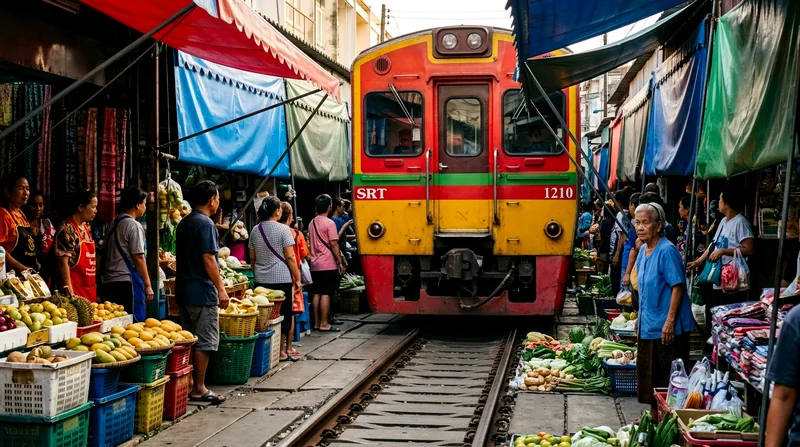
The train is the cheapest and most reliable way to reach Ayutthaya, while a private car or guided tour trades cost for convenience.
Bangkok to Ayutthaya transport options compared
| Option | Journey Time | Typical Cost | Best For |
|---|---|---|---|
| Train | 1.5-2 hours | Low (a few dollars) | Budget travelers, solo travelers |
| Public bus | 2+ hours | Low | Patient budget travelers |
| Minivan (Victory Monument) | approx. 1.5 hours | Low-moderate | Travelers without heavy luggage |
| Private car/driver | approx. 1-1.5 hours | High | Families, flexible stops en route |
| Guided group tour | approx. 1-1.5 hours each way | Moderate-high | First-timers wanting a fixed itinerary |
| Private guided tour | approx. 1-1.5 hours each way | Highest | Couples, those wanting a guide without a group |
Typical figures; schedules, fares and journey times vary by season and traffic, so check current options before you travel.
Train options and journey time
The Bangkok to Ayutthaya train departs from Bang Sue Grand Station (which has largely replaced the old Hua Lamphong terminus for long-distance services) and takes roughly 1.5 to 2 hours depending on the service. Third-class fares run a few dollars each way; second-class with air conditioning costs a bit more. Trains run frequently through the morning, generally every 30-60 minutes, so you rarely need to book days ahead — though arriving at the station with some buffer time is smart since schedules can shift. From Ayutthaya's train station, the old city is a short tuk-tuk or ferry ride across the river. This is the route independent travelers and budget-conscious backpackers almost always pick, and it's genuinely part of the experience — rattling through the Thai countryside beats sitting in Bangkok traffic.
Bus and minibus alternatives
Minivans leave from Bangkok's Victory Monument and take about 1.5 hours door to door, often cheaper than a taxi but cramped if you're tall or traveling with luggage. Public buses from the Mo Chit terminal are slower, usually 2 hours plus, but reliable and cheap. A private car or hired driver costs considerably more than train or bus but saves time and gives you flexibility to stop at viewpoints along the way — useful if you're also combining Ayutthaya with Bang Pa-In Palace, which sits roughly halfway. I wouldn't bother with a private car just for temple-hopping within Ayutthaya itself, though — tuk-tuks there are cheap and the distances are short.
Guided Tours vs DIY Travel
This is the real decision point for anyone planning an Ayutthaya day trip from Bangkok, and there's no universally right answer — it depends on your tolerance for logistics versus your tolerance for group schedules.
Pros and cons of guided tours
Booking an Ayutthaya tour from Bangkok through a platform like Viator or GetYourGuide gets you round-trip transport, a guide who explains what you're looking at, and usually entry tickets bundled into the price. Many tours pair the temple visit with a river cruise back toward Bangkok, which is a genuinely nice way to end the day — watching temples and riverside houses slide past at dusk. The downside: group tours often visit only 3-4 temples on a fixed schedule, lunch stops can eat an hour you'd rather spend at the ruins, and you're moving at the pace of the slowest person in the van. Private tours solve the pacing problem but cost noticeably more than the standard shared group option. If you want a guide's context without the group shuffle, a private tour or guide is worth the extra cost — but for budget travelers, it's hard to justify.
DIY itinerary and logistics
Going independently means taking the train or a minivan, then hiring a tuk-tuk driver at the station for a half-day circuit of the main temples — a common arrangement, with the driver waiting at each stop. You pay temple entry fees separately and have zero guide context unless you've read up beforehand or use an audio guide app. The trade-off is total freedom: linger at Wat Chaiwatthanaram for golden hour, skip the temples that don't interest you, eat lunch at a riverside noodle stall instead of a tour buffet. For solo travelers and couples comfortable with a bit of ambiguity, DIY is usually the better value. Families with young children or first-time visitors to Thailand often prefer the guided route simply because it removes the guesswork.
Tickets, Entry Fees and Combo Packages
Ayutthaya temple entry fees are low by international standards, but they add up if you're visiting five or six sites, and the lack of a single master ticket catches some visitors off guard.
Individual temple entry costs
Most major sites charge in the range of 50 baht for Thai-run temples like Wat Mahathat, Wat Ratchaburana, and Wat Phra Si Sanphet — each paid separately at its own gate. Wat Chaiwatthanaram, outside the main historical park boundary, has its own small fee too. There's a combination ticket covering several of the historical park temples that can save money if you're doing five-plus stops, generally valid for 30 days, sold at the participating sites. Always carry small baht notes — ticket booths rarely have change for large bills, and card payment isn't standard at temple gates.
River cruise and combo deals
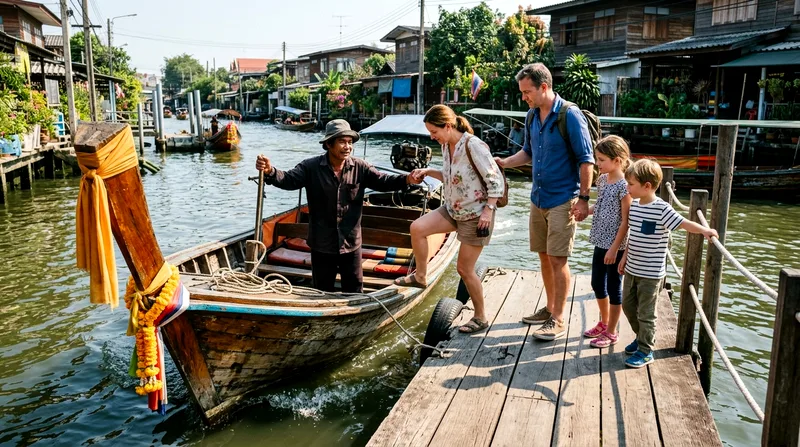
A popular combo pairs a full day of temple visits with an evening Chao Phraya River cruise back toward Bangkok, sometimes including dinner on board. These are priced as a package rather than itemized, and you'll find a range of options on tour platforms — check current prices when booking since they vary by boat class and season. If river cruising matters to you, book this as part of your Ayutthaya day trip rather than trying to arrange a separate boat tour later; same-day combos are more common and usually better timed to catch sunset over the water.
Best Time to Visit and Duration
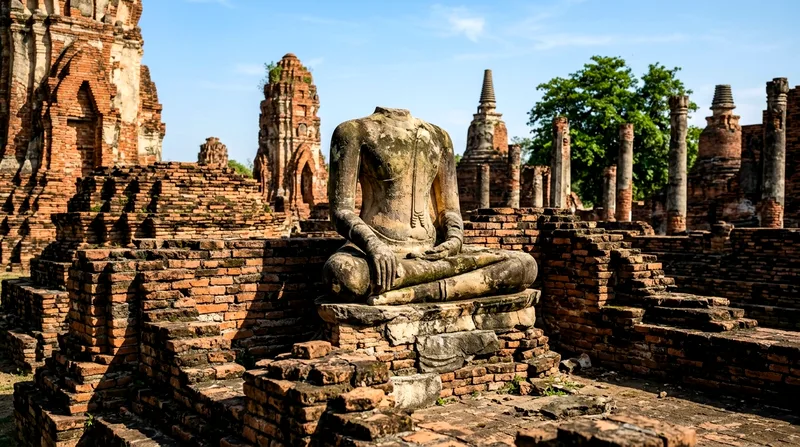
Ayutthaya has almost no shade across its ruins, which matters more than people expect when planning the day.
Seasonal weather considerations
The cool season, roughly November through February, is the most comfortable time to walk between temples — mornings can even feel mild. March through May gets genuinely hot, often exceeding 35°C, and the brick ruins offer zero shade, so an early start matters more than usual. The rainy season, June through October, brings short, heavy downpours rather than all-day rain, and the surrounding rice fields turn green, which photographs well — just carry a light poncho and expect some sites to feel slippery underfoot.
How long to spend in Ayutthaya
A single day is enough to see the four or five headline temples comfortably if you start by 8am and finish by sunset — most guided tours and DIY trips are built around exactly this window. Trying to cram in eight or nine sites usually means rushing past the ones that deserve more time, like Wat Mahathat at opening hour before the crowds arrive. If you're a serious history traveler, an overnight stay lets you catch sunrise at Wat Chaiwatthanaram and explore Bang Pa-In Palace the next morning without the clock pressure — but for most visitors already based in Bangkok, one long day trip covers it well.
Nearby Attractions and Add-ons
Ayutthaya pairs naturally with a few other experiences if you want to extend the day or build a longer Thailand itinerary around it.
Floating markets and local experiences
Ayutthaya has its own small floating market near the historical park, aimed mostly at tourists but still a decent stop for lunch on stilted platforms over the water — it's not in the same league as Damnoen Saduak near Bangkok, which is larger and more atmospheric but also requires its own early-morning trip. Local vendors near the main temples sell roast duck noodles and grilled river prawns, worth trying instead of a packaged tour lunch if you're traveling independently.
Combination day trip options
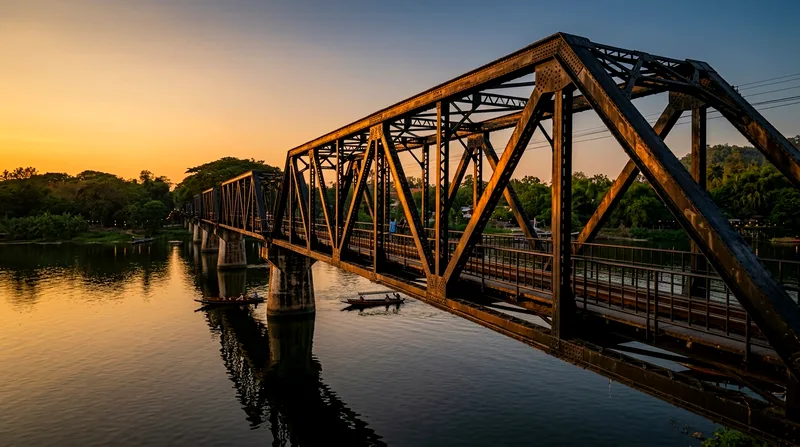
Some tours combine Ayutthaya with Bang Pa-In Summer Palace, a 19th-century royal retreat with a distinctly European-Chinese architectural mashup, about 20 minutes south of the old city. Others pair it with a Chao Phraya River cruise departing from Bangkok itself, turning the whole day into a boat-and-temple combination rather than a road trip. If you're weighing Ayutthaya against other day-trip-able destinations from Bangkok — Kanchanaburi's bridge and war cemetery, or the floating markets — Ayutthaya has the edge for pure historical density per hour spent.
Frequently asked questions
How long does it take to get from Bangkok to Ayutthaya?
By train it's roughly 1.5 to 2 hours from Bangkok's Bang Sue Grand Station. A minivan from Victory Monument or a private car takes about 1 to 1.5 hours depending on traffic. Public buses from Mo Chit usually run a bit longer, often over 2 hours.
What is the best way to visit Ayutthaya as a day trip?
For most independent travelers, taking the train and hiring a tuk-tuk driver at the station for a half-day temple circuit is the best value and most flexible option. If you'd rather not plan logistics, a guided tour from Bangkok bundles transport, entry tickets, and often a river cruise back, at a higher price.
How much does an Ayutthaya day trip cost?
DIY by train plus temple entry fees and a tuk-tuk driver typically runs low, often well under what a packaged tour costs, since train fares are only a few dollars and most temple entries are around 50 baht each. Guided group tours cost considerably more because they include transport, a guide, and sometimes lunch or a river cruise — check current prices on booking platforms before committing.
Is it better to take a guided tour or go independently?
Guided tours suit first-time visitors, families, and anyone who'd rather not arrange transport and tuk-tuk drivers themselves. Independent travel by train suits solo travelers, couples, and budget-focused visitors who want to set their own pace and skip the lunch-buffet stop most group tours include.
What are the main temples to visit in Ayutthaya?
Wat Mahathat (the Buddha head in tree roots), Wat Phra Si Sanphet (three royal chedis), and Wat Chaiwatthanaram (Khmer-style riverside temple, best at sunset) cover the highlights in a single day. Add Wat Ratchaburana if you want a climbable prang with a narrow staircase to the upper chamber.