A practical 3 days in Bangkok itinerary covering temples, street food, markets, and river cruises, with options for families, couples, and solo travelers.
Who This Itinerary Is For
Three days in Bangkok is enough time to experience the city's most iconic temples, its street food scene, and a couple of its distinct neighborhoods — but only if you accept trade-offs. This itinerary assumes you want the core sights (Grand Palace, Wat Pho, Wat Arun) plus a real taste of local life at markets and in Chinatown, without racing through everything at a sprint.
It suits solo travelers and couples who like structure but want flexibility built in, and it works for families with kids old enough to handle a few hours of walking in heat — Bangkok in April or May regularly hits 35°C (95°F), and toddlers will struggle more than ten-year-olds. Senior travelers should know that temple complexes involve uneven stone floors, steps, and long walks between buildings; a slower pace across four days might suit better than three.
If you're coming from Phuket or Krabi and tacking Bangkok onto a beach holiday, three days is the right amount — enough for the highlights without eating into beach time. If you're arriving fresh and plan to continue to Chiang Mai or Siem Reap afterward, this plan front-loads Bangkok's worth seeings so you're not tempted to linger an extra day you don't have. One thing I wouldn't recommend: trying to add a day trip to Ayutthaya into this same three days. It's a 90-minute drive or train each way, and squeezing it in means cutting a half-day somewhere else that matters more.
Each day of this Bangkok itinerary has a distinct focus, so you can swap days around if one suits your energy level or the weather better.
3 days in Bangkok itinerary: daily focus, neighborhoods, and highlights compared
| Day | Main Focus | Key Neighborhood | Highlight | Best For |
|---|---|---|---|---|
| Day 1 | Temples and river | Rattanakosin / riverside | Grand Palace, Wat Pho, Wat Arun | First-time sightseers |
| Day 2 | Markets and food | Chatuchak / Chinatown | Chatuchak Weekend Market, Yaowarat food stalls | Families, food lovers |
| Day 3 | Parks and nightlife | Lumphini / Khao San | Lumphini Park, rooftop bars | Couples, tired legs |
Swap Day 2 and Day 3 if your visit doesn't include a weekend, since Chatuchak is only fully open Friday night through Sunday.
Day 1: Grand Palace and Riverside
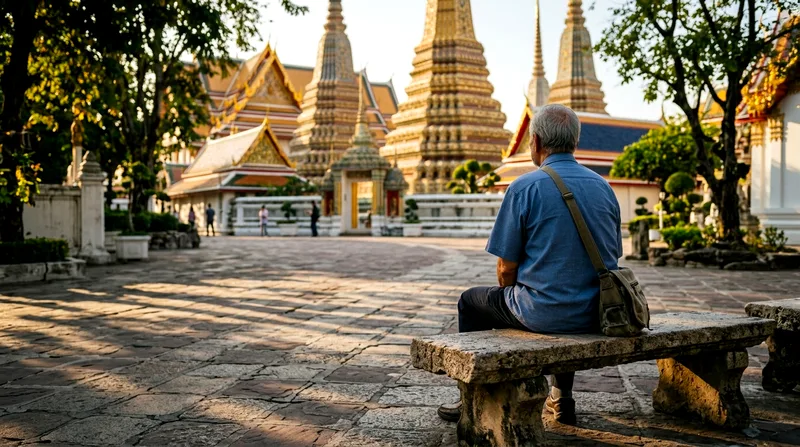
Day one covers Bangkok's most photographed sights, all clustered along or near the Chao Phraya River. Start early — this is the one day where beating the heat and the crowds actually matters.
Morning and afternoon
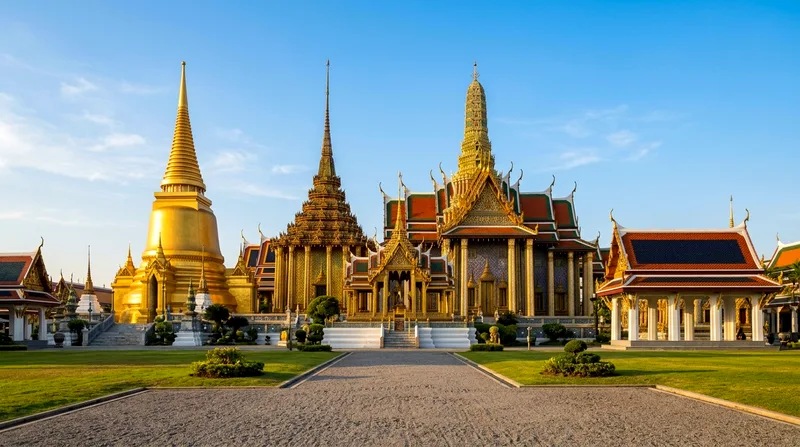
Arrive at the Grand Palace by 8:00 AM, ideally via the river or a short taxi ride, since it opens at 8:30 AM and tour buses arrive by mid-morning. Wat Phra Kaew, the Temple of the Emerald Buddha, sits inside the palace walls and is usually visited as part of the same ticket — budget two hours for both. Strict dress code applies: shoulders and knees covered, no sandals with ankle straps for some guards' standards, so bring a light scarf or trousers even in the heat.
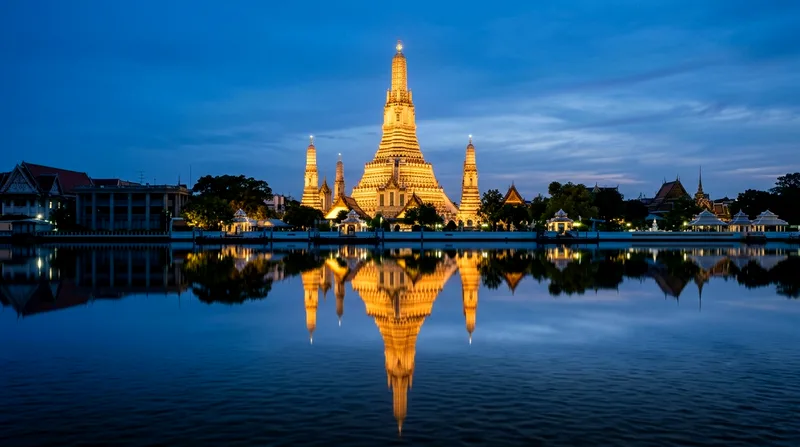
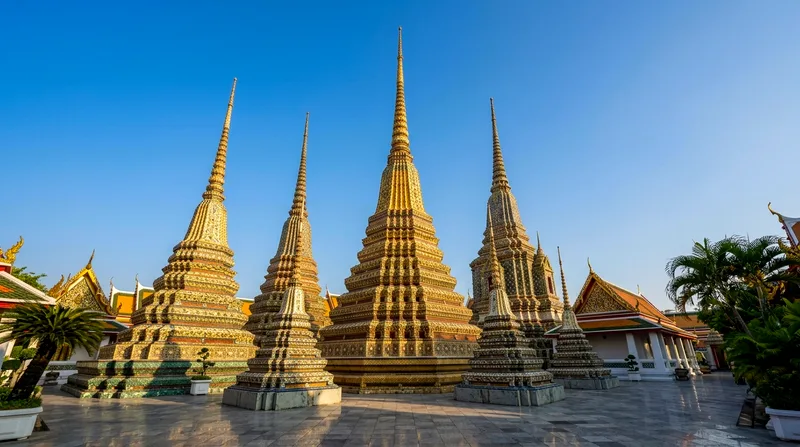
From there, it's a 10-minute walk to Wat Pho, home of the 46-meter reclining Buddha and generally quieter than the Grand Palace. Grab lunch nearby — the Wang Lang market area near Siriraj Hospital, reachable by a short riverboat hop, has cheap, authentic food stalls favored by locals rather than tourists, and it's a good contrast to the palace crowds. After lunch, cross the river by the cheap cross-river ferry (a few baht, pay on board) to Wat Arun, the Temple of Dawn, whose central prang you can climb partway up for river views.
Evening
As the sun drops, head back to the Chao Phraya riverside for dinner. This is the evening to book a sunset dinner cruise if you want one — boats typically depart from piers near Sathorn or Si Phraya around 6:30–7:00 PM and run 1.5 to 2 hours, passing illuminated temples and the Rama VIII Bridge. It's touristy, but it's genuinely one of the better ways to see Wat Arun lit up without paying for a rooftop bar. If boats aren't your thing or it's raining, a riverside restaurant terrace in the same area gives similar views without the commitment of a fixed schedule — check current prices and availability for cruises before you book, since options range widely by boat size and meal style.
Day 2: Markets, Neighborhoods and Food
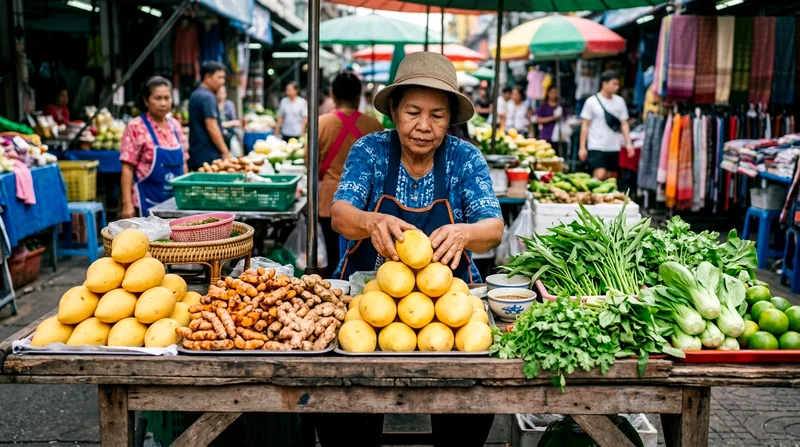
Day two trades monuments for street life. It's a better day for families with younger kids since there's less standing in ticket lines and more wandering at your own pace.
Morning and afternoon
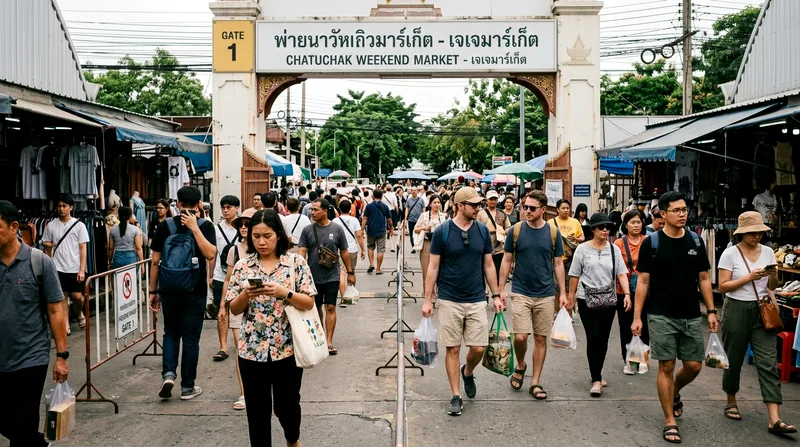
If it's a weekend, go straight to Chatuchak Weekend Market — it's only open Saturday and Sunday (with a smaller Friday night wholesale session), so this day needs to be planned around that. It's enormous, with over 8,000 stalls across roughly 35 acres, selling everything from vintage clothing to ceramics to live plants. Go early, by 9:00 AM, before both the heat and the crowds peak; it's easy to lose two hours just navigating the aisles, and the covered sections can feel airless by noon.
If your three days don't include a weekend, swap this for Chinatown (Yaowarat) in the late morning instead, exploring gold shops, Chinese shrines, and the backstreet food stalls that run during the day as well as at night. Either way, take the MRT to get there — Chatuchak Weekend Market has its own MRT stop (Kamphaeng Phet) and BTS stop (Mo Chit), both far easier than fighting Bangkok traffic by taxi.
Evening
Head to Chinatown for dinner regardless of your afternoon choice — Yaowarat Road comes alive after dark, with vendors grilling seafood, wok-frying noodles, and selling bird's nest soup from carts lit by bare bulbs. This is genuinely one of the best street food evenings in Southeast Asia, arguably better than similar scenes in Kuala Lumpur's Chinatown, mostly because of the sheer density of stalls on one road. Go hungry and order small portions from several vendors rather than filling up at the first one. If crowds and standing to eat aren't your style, Chinatown also has a handful of air-conditioned restaurants just off the main strip serving the same dishes seated.
Day 3: Temples, Parks and Nightlife
The final day is lighter on logistics and gives you room to slow down, which matters after two days of heavy walking.
Morning and afternoon
Spend the morning at Lumphini Park, Bangkok's largest central green space — it's a good contrast to temple-hopping, with monitor lizards sunning by the lake, locals doing tai chi, and shaded paths good for a slow walk. It's especially worth it for senior travelers or anyone whose legs are tired from the previous two days, since there's almost no walking required beyond a loop of the lake.
If you still want one more temple, Wat Traimit (the Golden Buddha temple) near Chinatown's edge is smaller and quicker than the Grand Palace — about 45 minutes including the small museum upstairs — and makes a reasonable late-morning stop before lunch. Skip Khao San Road during the day; it's underwhelming in daylight, mostly empty bars and souvenir stalls, and worth visiting only after dark if at all.
Evening
For your last night, decide based on travel style. Couples and solo travelers who want nightlife can head to Khao San Road after 9:00 PM, when it transforms into a loud backpacker strip with cheap drinks and street performers — fun once, forgettable twice. Families or those wanting something calmer should consider a rooftop bar with a skyline view instead, many of which welcome families earlier in the evening before becoming adults-only later. If your feet are done, a foot massage (widely available for around 300-400 baht per hour in tourist areas) is a reasonable way to close out three days of walking.
Getting Around Bangkok
Bangkok's BTS Skytrain and MRT subway are the backbone of this itinerary — clean, air-conditioned, and immune to the city's notorious traffic. Get a Rabbit Card for the BTS or just pay per trip; both systems use clear English signage and cost roughly 15-60 baht per ride depending on distance. The problem is coverage: the old city around the Grand Palace and Wat Pho isn't served by either line, so you'll rely on river ferries, taxis, or tuk-tuks for that area.
The Chao Phraya Express Boat is the most useful connector for day one, linking the old city piers to BTS stations like Saphan Taksin. Tuk-tuks are fun once for the novelty but not efficient — drivers often quote inflated prices to tourists and may detour to gem shops on commission; agree a price before getting in, or just skip them in favor of metered taxis, which are cheaper and more honest if the driver actually uses the meter. Grab (the regional ride-hailing app) is reliable and removes the negotiation entirely. Avoid relying on taxis during rush hour, roughly 7:00-9:00 AM and 4:30-7:30 PM, when Bangkok traffic turns a 15-minute ride into 45.
Where to Base Yourself
Sukhumvit (around Asok or Thong Lo) is the easiest base for first-timers — dense with BTS stations, mid-range hotels, and restaurants, though it's a 20-30 minute commute to the Grand Palace area each morning. Silom and Sathorn offer a similar BTS-connected convenience with a more business-district feel and easy access to river piers for day-one activities.
If you'd rather be walking distance from the temples, the Rattanakosin/Old City area near Khao San Road puts you right next to the Grand Palace and Wat Pho, but you'll be far from the MRT/BTS network and reliant on boats and taxis for everything else — a trade-off worth making only if temples are your main priority. Riverside hotels near Saphan Taksin combine decent transit access with river views and are a solid middle ground for couples.
Compare this to Chiang Mai, where almost everything worth seeing sits within the Old City walls and base choice matters less; in Bangkok, where you sleep genuinely shapes how much time you lose to transit each day.
Optional Bookable Experiences
A few experiences are worth reserving ahead rather than deciding on the day, mainly because popular time slots — sunset especially — sell out.
River cruises and water tours
Beyond the day-one dinner cruise, shorter daytime longtail boat tours run through Bangkok's klongs (canals) in Thonburi, showing a side of the city that's disappeared from the main riverfront — wooden houses on stilts, small temples, and local markets reachable only by water. These typically run 1.5 to 2 hours and can be combined with a stop at a floating market. Compare this to the famous Damnoen Saduak floating market, which is further out (about 1.5 hours from central Bangkok) and far more touristy; the Thonburi canal tours are a better use of limited time if you only have three days.
Food tours and cooking classes
An evening street food walking tour, usually through Chinatown or the old city, is worth booking if you'd rather follow a local than guess which stalls are good — guides typically know which vendors have the longest-standing reputations and can order dishes you might not recognize or feel confident pointing at alone. Half-day cooking classes, often including a market visit beforehand, are a good rainy-day alternative to outdoor sightseeing and give you something to take home besides photos. Check current prices and availability when booking, since group size and included meals vary significantly between operators.
Frequently asked questions
What temples should I visit in Bangkok in 3 days?
Prioritize Wat Phra Kaew (inside the Grand Palace), Wat Pho, and Wat Arun — all within walking or a short ferry ride of each other and doable in a single morning-to-afternoon stretch on day one. If you have energy left on day three, add Wat Traimit for the Golden Buddha; it only takes about 45 minutes. Trying to fit in more, like Wat Saket (Golden Mount), is possible but starts to feel like a checklist rather than a visit.
Is 3 days enough time to see Bangkok?
It's enough to see the major sights — the Grand Palace, river temples, one big market, and a proper Chinatown food crawl — but not enough to also fit in a day trip to Ayutthaya or a slow-paced exploration of smaller neighborhoods. Think of three days as hitting the highlights; five days lets you add day trips and breathing room.
Where should I eat street food in Bangkok?
Yaowarat Road in Chinatown is the single best concentrated stretch for evening street food — grilled seafood, noodle stalls, and dessert carts side by side. Wang Lang Market near Siriraj Hospital is a quieter, cheaper daytime option popular with locals rather than tourists, and it fits naturally into day one near the Grand Palace.
What markets should I visit in Bangkok?
Chatuchak Weekend Market is the big one — over 8,000 stalls, but only open Friday night through Sunday, so plan your itinerary around that if possible. If your trip falls on weekdays, Chinatown's daytime market streets and the Wang Lang riverside market are solid alternatives that don't require weekend timing.
Should I take a river cruise in Bangkok?
Yes, if you want to see Wat Arun and the riverside temples lit up at night — a sunset or dinner cruise on the Chao Phraya River is one of the more efficient ways to do this without booking a separate rooftop bar. Shorter daytime canal (klong) tours through Thonburi are a better pick if you're more interested in local life than skyline views; check current prices and departure points before booking either.