Plan 5 days in Bangkok itinerary with temples, markets, riverside culture & day trips. Daily routes, timings, where to stay, and what to book ahead.
Who This Itinerary Is For
This 5 days in Bangkok itinerary is built for first-timers who want the major sights covered properly, plus enough slack to add a day trip without feeling rushed. It suits couples who want a mix of culture and good food, families with children old enough to handle temple etiquette and a full day of walking, and solo travelers who like a loose plan they can adapt hour by hour.
If you're coming from Chiang Mai or Krabi and only have two or three days left in your Southeast Asia trip, this plan is overkill — trim Day 5 and skip the day trip. Conversely, if Bangkok is your only stop and you've got more than five days, consider swapping one day for an overnight trip to Ayutthaya instead of a rushed day return, or add a second day trip toward Kanchanaburi.
Senior travelers should know that Day 1 and Day 4 involve the most walking and standing in queues — the Grand Palace in particular has strict dress codes and no shade in the main courtyard. European travelers used to orderly ticket lines should brace for a different rhythm at Chatuchak and the Grand Palace, where lines move in clusters rather than straight queues. None of this is a dealbreaker, but pace yourself and build in a slow afternoon (Day 5 is designed for that).
Day 1: Grand Palace and Sacred Temples
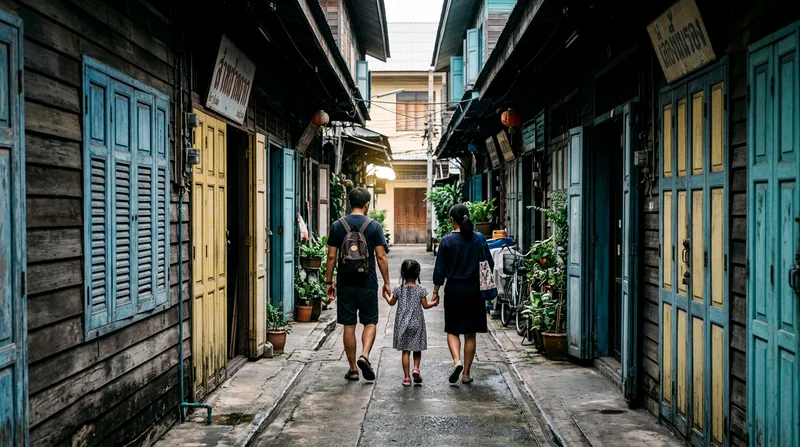
Day one is the heaviest sightseeing day, so start early and wear closed shoes you can slip on and off easily.
Each day of this Bangkok itinerary has a different pace, so match your energy levels to the heaviest days first.
5 days in Bangkok itinerary: daily focus, time needed, and booking priority
| Day | Main Focus | Time Needed | Book Ahead? |
|---|---|---|---|
| Day 1 | Grand Palace, Wat Pho, Wat Arun | Full day, early start | Dinner cruise optional |
| Day 2 | Jim Thompson House, Chinatown | Full day | Not required |
| Day 3 | Chatuchak Market, Siam shopping | Full day, weekend-dependent | Not required |
| Day 4 | Ayutthaya or floating market day trip | 7-8 hours | Yes, 2-3 days ahead |
| Day 5 | Wat Traimit, local neighborhoods | Half to full day, flexible | Optional cooking class |
Timings are typical for independent travel; guided tours may run shorter or combine stops differently.
Morning: Grand Palace and Emerald Buddha
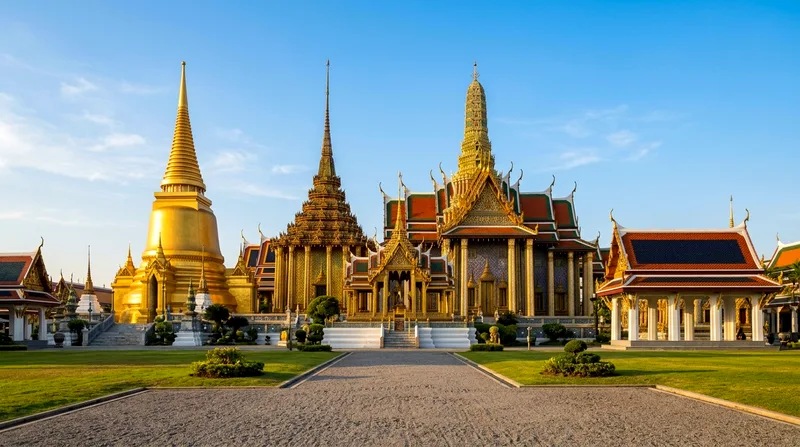
Arrive at the Grand Palace by 8:30am, before tour buses fill the courtyards. Entry costs 500 baht and includes access to Wat Phra Kaew, home of the Emerald Buddha — actually carved from jade, despite the name. Dress code is strict: covered shoulders, no shorts above the knee, no flip-flops. Guards turn people away daily, and the rental sarongs at the gate cost extra baht and waste time you don't have. Budget two hours minimum; the complex is larger and more detailed than photos suggest, with the Ramakien murals along the cloister walls easy to miss if you're rushing.
Afternoon and Evening: Wat Pho and Wat Arun
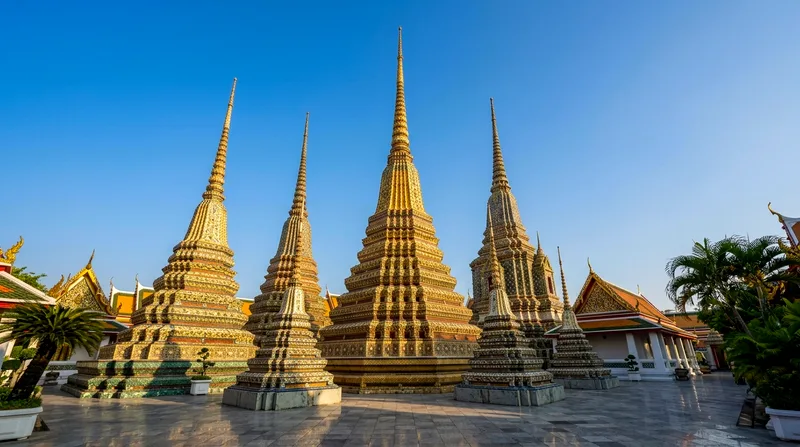
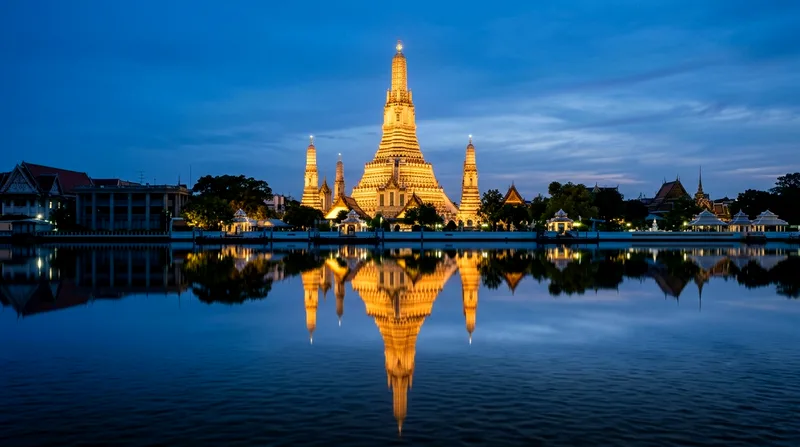
Walk ten minutes to Wat Pho (200 baht entry) to see the 46-metre reclining Buddha — bring small bills for the coin-donation ritual along the hallway. From Wat Pho's pier, cross the Chao Phraya River by ferry (a few baht) to Wat Arun, the Temple of Dawn, best photographed from the opposite bank in late afternoon light. Climbing its steep central prang is optional and genuinely steep — skip it if you have knee problems. For dinner, head to a riverside restaurant near Tha Tien pier rather than the tourist-priced spots directly facing Wat Arun. If the heat has worn you down, a classic alternative is booking a Chao Phraya dinner cruise for the evening instead of a sit-down restaurant — reserve this a day or two ahead since the better boats fill up.
Day 2: Riverside Culture and Neighborhoods
This day trades monuments for texture — a silk museum, a dense old neighborhood, and the river at night.
Morning: Jim Thompson House and Chinatown
Start at Jim Thompson House (around 200 baht, guided tours only, roughly every 20 minutes), the teak home of the American silk entrepreneur who vanished in Malaysia's Cameron Highlands in 1967. It's compact — an hour covers it — but the surrounding canal-side garden is worth lingering in. From there, take the MRT to Wat Mangkon station and walk into Chinatown (Yaowarat). Skip the famous gold shops unless you're buying; instead wander Sampeng Lane's narrow market alley for dried goods, fabric, and cheap trinkets.
Afternoon and Evening: Riverside Dining and Night Markets
By late afternoon, Chinatown shifts into street food mode — this is genuinely one of the better food streets in Southeast Asia, arguably better value than similar setups in Kuala Lumpur's Petaling Street. Expect 60-150 baht per dish: grilled satay, boat noodles, oyster omelets. If crowds and heat aren't your thing, retreat to a riverside hotel bar instead. For something bookable, a river dinner cruise with live music is worth reserving ahead here too, especially on weekends when boats run near capacity.
Day 3: Markets and Shopping Districts
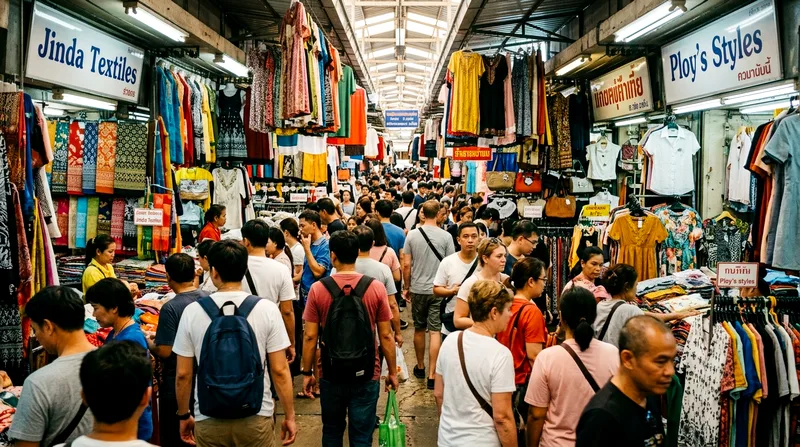
Markets dominate this day, so go light on bags and heavy on cash in small denominations.
Morning: Chatuchak Weekend Market or Talad Rot Fai
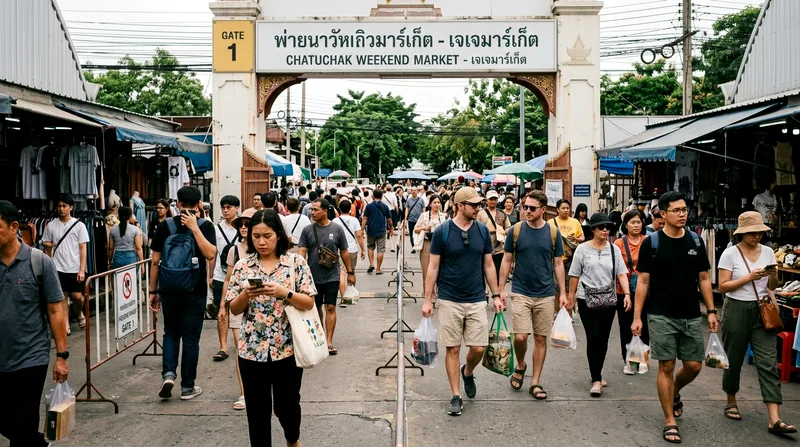
Chatuchak Weekend Market only runs Saturday and Sunday, so this is the one day in the itinerary that's date-sensitive — if your trip doesn't include a weekend, swap in Talad Rot Fai (the Ratchada night train market), which runs Thursday to Sunday evenings instead. Chatuchak sprawls across more than 8,000 stalls and is easy to get lost in; download the market's zone map beforehand and pick two or three sections (vintage clothing, home decor, or the plant section) rather than trying to see everything. Arrive by 9am to beat both heat and crowds, and expect to spend three hours minimum.
Afternoon and Evening: Siam Shopping and Street Food
Head to Siam district by BTS in the afternoon for air-conditioned relief — Siam Paragon and MBK Center offer a contrast to the morning's chaos, with MBK better for haggling over electronics and souvenirs. Prices here run higher than Chatuchak for similar goods, so buy souvenirs at the market, not the mall. In the evening, Siam Square's side sois have solid, affordable Thai food away from mall food courts.
Day 4: Day Trip to Ayutthaya or Floating Markets
This is the day that separates a 5 days in Bangkok itinerary from a shorter visit — you finally get out of the city.
Full-Day Guided Tour Options
Ayutthaya, the former Siamese capital about 80 km north of Bangkok, makes the stronger day trip for most visitors: a UNESCO World Heritage Site with brick temple ruins (Wat Mahathat's tree-wrapped Buddha head is the iconic shot) that you can't replicate anywhere closer. A guided day tour typically runs 7-8 hours including transport, lunch, and three or four temple stops; a self-arranged trip by train from Hua Lamphong station costs a fraction of that but takes longer and requires more planning. Floating markets like Damnoen Saduak are the alternative — more photogenic longtail-boat scenes, less historical depth, and noticeably more tourist-oriented vendors paddling souvenirs rather than produce. If you've already got Ayutthaya-style ruins on a later leg of your trip (say, you're continuing to Siem Reap for Angkor Wat), the floating market might be the better use of this day. Compare current day tour options and prices before you book, since both routes run multiple daily departures with different inclusions.
Return and Evening Relaxation
Most Ayutthaya tours return to Bangkok by 5-6pm. You'll be tired and slightly templed-out, so keep dinner simple — a hotel restaurant or an easy spot near your accommodation beats another ambitious outing. This is also a sensible night to book a Thai massage (1-2 hours, widely available for 300-600 baht depending on neighborhood) rather than more sightseeing.
Day 5: Underrated spots and Local Experiences
The last day should move slower — pack light sightseeing with room for shopping gaps or a flight departure.
Morning: Wat Traimit and Golden Buddha
Wat Traimit, near Chinatown, holds the world's largest solid gold Buddha statue — 5.5 tonnes, rediscovered by accident in 1955 when a plaster casing cracked during a move. Entry costs around 100 baht, and the visit takes 30-45 minutes, making it an easy, low-effort morning compared to Day 1's marathon. It pairs naturally with a final walk through Chinatown's daytime market stalls, which look completely different from the food-street version you saw on Day 2.
Afternoon and Evening: Local Neighborhoods and Farewell Dining
Spend the afternoon in a neighborhood you haven't covered — Ari for quiet cafés and a younger local crowd, or Thonglor for a more upscale, expat-heavy feel. Both are reachable by BTS and offer a different pace from the tourist circuit. For a farewell dinner, rooftop bars in Silom or Sathorn offer skyline views, though prices run 2-3x street level and dress codes sometimes apply — check before showing up in shorts and sandals. If your flight from Suvarnabhumi Airport is early the next morning, keep this evening short; the airport sits roughly 30 km from central Bangkok and traffic can stretch a normally 45-minute ride to over an hour.
Getting Around Bangkok
The BTS Skytrain and MRT subway cover most tourist areas and cost 16-59 baht per trip depending on distance — buy a Rabbit Card if you're staying the full five days to skip ticket machine queues. Neither system reaches the old city (Grand Palace, Wat Pho) directly, so you'll rely on river ferries or taxis for Day 1. The Chao Phraya Express Boat is cheap (15-33 baht) and genuinely useful, not just scenic, for connecting riverside sights.
Taxis are metered and inexpensive by European standards, but insist on the meter before getting in — some drivers near tourist zones try to quote flat fares that run double the metered rate. Grab (the regional ride-hailing app) sidesteps this entirely and is worth installing before you land. Tuk-tuks are fun once, overpriced every other time; agree a price before boarding, always. Avoid relying on tuk-tuks for anything timed, like catching a day-trip departure — traffic makes them unpredictable.
Where to Base Yourself
Where you sleep shapes how much time you lose to transit, so pick based on which days matter most to you.
Riverside and Luxury Options
Riverside hotels near Saphan Taksin BTS station put you close to the Chao Phraya Express Boat, making Day 1's temple circuit and riverside dinners easy. This area suits couples and honeymooners wanting resort-style properties with river views, and it beats Pattaya or Phuket hotel zones for this trip specifically — you're here for the city, not a beach view. The trade-off: it's a 20-30 minute BTS-plus-taxi combo from Chatuchak and Siam, so Day 3 takes longer to reach.
Budget and Mid-Range Neighborhoods
Sukhumvit (around Asok or Phrom Phong) and Siam are the practical choices for budget and mid-range travelers — both sit directly on the BTS line, cutting transit time to Chatuchak, Jim Thompson House, and the shopping malls to 10-20 minutes. Silom works well too, with easy access to both the BTS and MRT. Avoid booking near Khao San Road purely for nightlife convenience unless you actually want that scene; it's noisy at night and poorly connected to the rail network, meaning more taxis for the rest of this itinerary.
Bookable Tours and Experiences
Three experiences in this itinerary genuinely benefit from advance booking rather than walk-up arrangements. The Ayutthaya day tour (or floating market tour) on Day 4 is the most important — morning departure slots fill first, especially in the cooler, more popular months. A sunset or dinner cruise on the Chao Phraya, suggested for Day 1 or Day 2 evenings, is worth reserving 1-2 days out since the better-rated boats run limited sailings per night. A half-day cooking class is a strong addition if you have any flexibility — it's not in the core itinerary above, but it slots naturally into Day 5's lighter schedule and gives families with children a hands-on activity that breaks up temple fatigue. Compare current tour options, boat departure times, and prices before you book — availability shifts by season and day of week more than most guides let on.
Frequently asked questions
Is 5 days enough time to see Bangkok?
Yes, for the major sights plus one day trip. Five days covers the Grand Palace, Wat Pho, Wat Arun, Chatuchak, Chinatown, and Ayutthaya comfortably without back-to-back exhaustion. If you want to add Kanchanaburi or a second day trip, you'd want 7 days instead.
What are the worth seeing temples in Bangkok?
The Grand Palace complex with the Emerald Buddha, Wat Pho's reclining Buddha, and Wat Arun across the river form the essential trio, all walkable or a short ferry ride apart. Wat Traimit's Golden Buddha is a strong fourth if you have time on Day 5.
Which day trip from Bangkok is best?
Ayutthaya generally wins for first-timers — genuine historical ruins and a UNESCO site you can't see elsewhere nearby. Floating markets like Damnoen Saduak are more photogenic but thinner on substance; pick that instead if you're heading to Siem Reap or Angkor Wat later for ruins.
Where should I stay in Bangkok for 5 days?
Sukhumvit or Siam for BTS access to shopping and Chatuchak; riverside near Saphan Taksin if the old city temples and river dining matter more to you. Avoid basing purely around Khao San Road unless nightlife is the priority — it's poorly connected to the rail system.
How do I get around Bangkok efficiently?
Combine the BTS Skytrain, MRT subway, and Chao Phraya Express Boat for most days — a Rabbit Card speeds up rail travel. Use Grab or metered taxis for the old city and late-night trips, and agree tuk-tuk fares before boarding, every time.