A senior-friendly Bangkok itinerary with accessible temples, air-conditioned transport, rest breaks, and bookable experiences over 3-4 days.
Who This Itinerary Is For
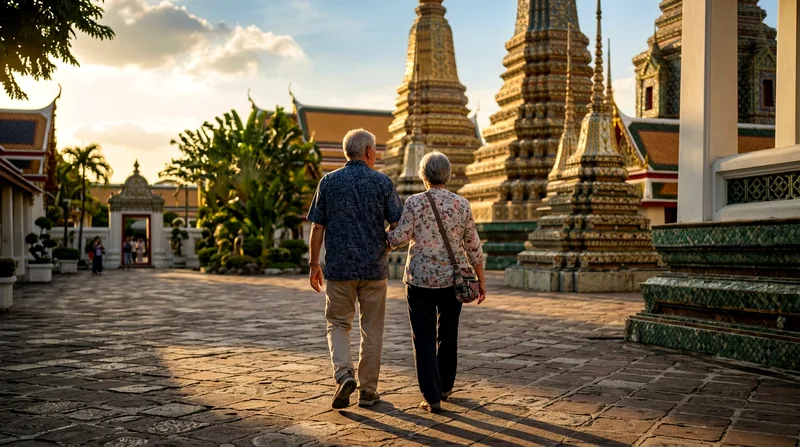
This Bangkok itinerary for seniors is built around one assumption: you'd rather see four things properly than eight things exhausted. It suits travelers in their 60s, 70s and beyond, couples managing a knee replacement or a bad hip, and anyone who finds Bangkok's heat and crowds more tiring than they used to be twenty years ago.
It's not for everyone. If you want to cram the Grand Palace, three markets and a rooftop bar into one day, this isn't your plan — try a standard backpacker itinerary instead, the kind built for 25-year-olds with unlimited stamina and no afternoon nap requirement. This plan deliberately moves slower than that.
The structure is simple: one major sight per morning, a long rest block after lunch, and an easier activity in late afternoon or evening if energy allows. Mornings in Bangkok are cooler — temperatures before 10am are noticeably more bearable than the 3pm peak, which regularly hits 34-36°C (93-97°F) with humidity that makes it feel hotter. Scheduling temples and walking tours early isn't just comfort, it's practical heat management.
Three days covers the essentials — Grand Palace, Wat Pho, a river cruise, one good market. Four days adds breathing room, a second rest day, and time for Jim Thompson House or a slower Chinatown wander. If you're also combining Bangkok with Ayutthaya or Hua Hin afterward, four days here means you arrive at the next stop rested rather than depleted.
Day 1: Grand Palace and Riverside
Day one tackles the single most demanding sight first, while energy is highest and queues are shortest.
Grand Palace demands the most stamina, while a river cruise and mall-based stops demand almost none.
Senior-friendly Bangkok attractions compared: walking, access and best time of day
| Attraction | Walking required | Accessibility | Best time to visit |
|---|---|---|---|
| Grand Palace | High (1.5-2 hrs, uneven stone) | Limited, no rental wheelchairs on-site | 8:30-10am |
| Wat Pho | Moderate, mostly flat | Good, single-level main hall | Late afternoon |
| Golden Mount | Moderate (approx. 300 steps) | Stairs only, no elevator | Before 10am |
| River cruise | Low, mostly seated | Good, covered boats available | Morning departure |
| Jim Thompson House | Low-moderate, some steps between buildings | Fair, guided pace | Mid-afternoon |
| Iconsiam / Terminal 21 | Low, flat corridors | Excellent, elevators and seating | Any time, good for heat breaks |
Typical conditions; access features and opening hours can change, so confirm specifics when booking tours or tickets.
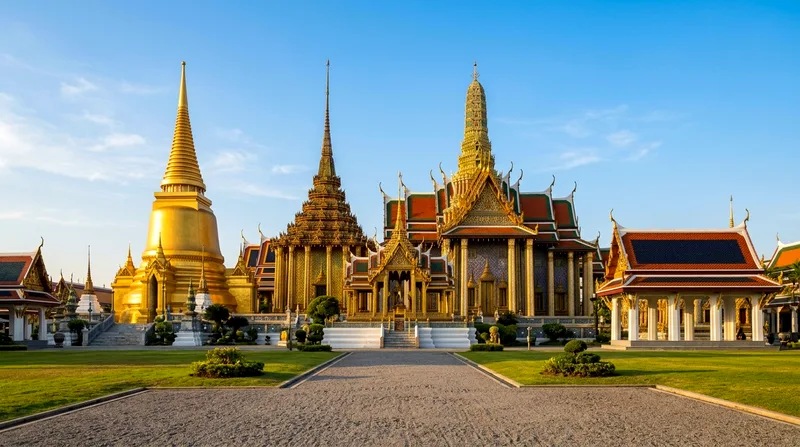
Morning: Grand Palace and Emerald Buddha
Arrive by 8:30am, when gates open at 8:30 and crowds are thinnest. The complex covers a lot of ground — expect roughly 1.5 to 2 hours of walking on uneven stone, with some steps and no shade in the main courtyards. There are no wheelchairs for rent on-site, so travelers with significant mobility limitations should arrange a private wheelchair-accessible tour in advance rather than hoping to manage on the day.
The Emerald Buddha, housed inside Wat Phra Kaew within the palace grounds, requires modest dress — covered shoulders and knees, closed shoes are safer than sandals on the stone floors. Sarongs are available to rent at the entrance for about 200 baht deposit if you arrive underdressed, but it's one more delay you can avoid by dressing properly from the hotel.
Bring a hat, water, and sit on the shaded benches near the Ramakien murals whenever you need five minutes. Admission is roughly 500 baht; booking a timed-entry guided tour in advance is worth it here specifically, since a guide moves you past the queue-prone ticket counters and explains what you're looking at, which matters more at the Grand Palace than almost anywhere else in Bangkok.
Afternoon and Evening: Wat Pho and Chao Phraya
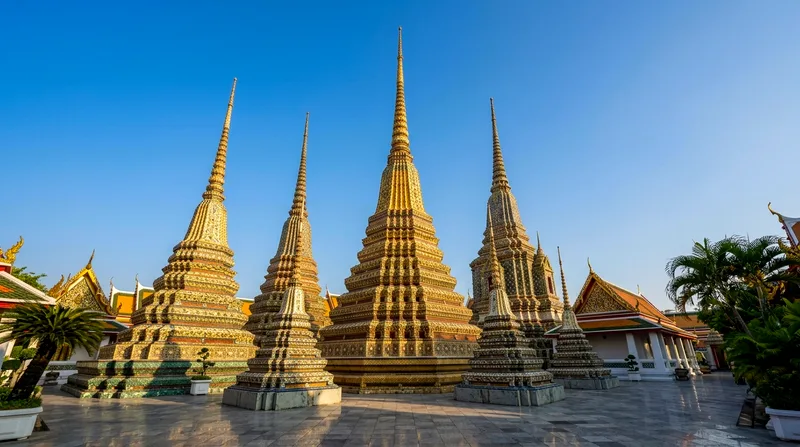
Lunch near the palace, then rest at the hotel for two hours before the humidity peaks — this is non-negotiable if you want energy for evening. Around 4pm, head to Wat Pho, a five-minute tuk-tuk or 15-minute walk from the palace. It's flatter and less congested than the Grand Palace, with the reclining Buddha hall offering a single-level, mostly shaded viewing path. Admission is about 200 baht.
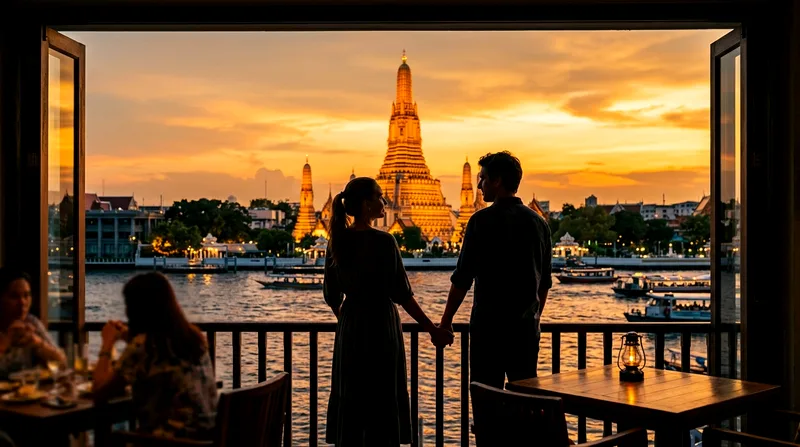
End the day at the Chao Phraya riverside promenade near Tha Tien pier, where shaded seating faces Wat Arun across the water. A short dinner cruise or sunset boat ride here is worth booking ahead — it's a low-exertion way to see Wat Arun lit up without walking its steep pagoda steps, which aren't recommended for anyone with knee or balance concerns. Compare current river cruise options and prices before you book, since schedules shift by season.
Day 2: Sacred Temples and Rest
Day two is deliberately lighter — one temple, a long break, then an optional museum visit only if you're genuinely up for it.
Morning: Golden Mount and local temples
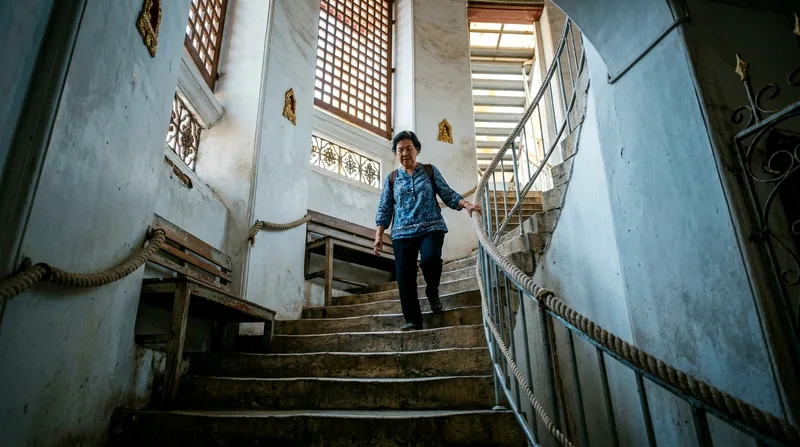
Golden Mount (Wat Saket) sits on an artificial hill, and yes, that means stairs — around 300 of them, spiraling gently rather than steeply. There's no elevator, so this one requires honest self-assessment. If stairs are a problem, skip the climb and visit the temple grounds at the base instead, which are pleasant and far less demanding. For those who can manage it, the climb is paced with landings every 20-30 steps and railings throughout, and the view over Bangkok's rooftops from the top is better than anything from a rooftop bar, minus the markup.
Go before 10am to avoid both heat and school groups. Budget 45 minutes including rest stops on the way up. Afterward, a short tuk-tuk ride to a quieter neighborhood temple — ask your hotel for a current recommendation — gives a calmer, crowd-free contrast to the Grand Palace's intensity the day before.
Afternoon: Rest and optional Jim Thompson House
Treat this afternoon as a true rest block — three hours minimum back at the hotel, pool or air-conditioned room. This is where the itinerary earns the word "senior-friendly" rather than just claiming it.
If you still have energy around 3:30pm, Jim Thompson House is a gentler alternative to another temple. It's a teak house museum with guided tours roughly every 20 minutes, mostly on one level with some steps between buildings, and the grounds are shaded and compact — expect 45 minutes to an hour total, far less taxing than the Grand Palace. Admission runs about 200 baht. Skip it entirely if you're tired; nothing here is essential, and a quiet evening beats forcing a fifth attraction into the day.
Day 3: River Cruise and Markets
Day three swaps walking for sitting — a river cruise in the morning, air-conditioned shopping in the afternoon.
Morning: Guided river cruise
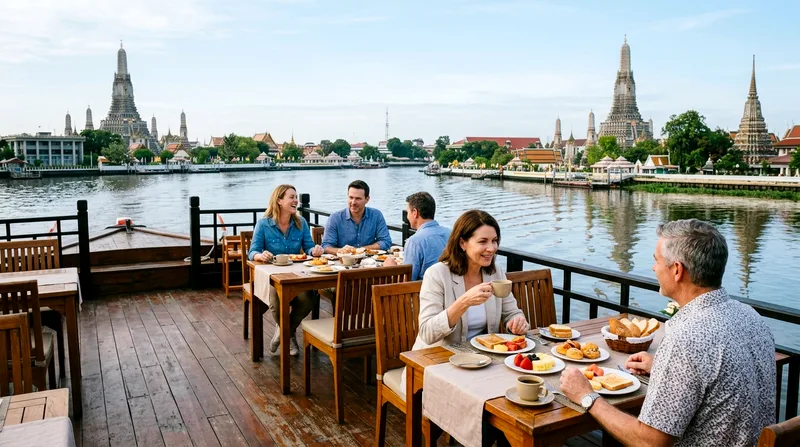
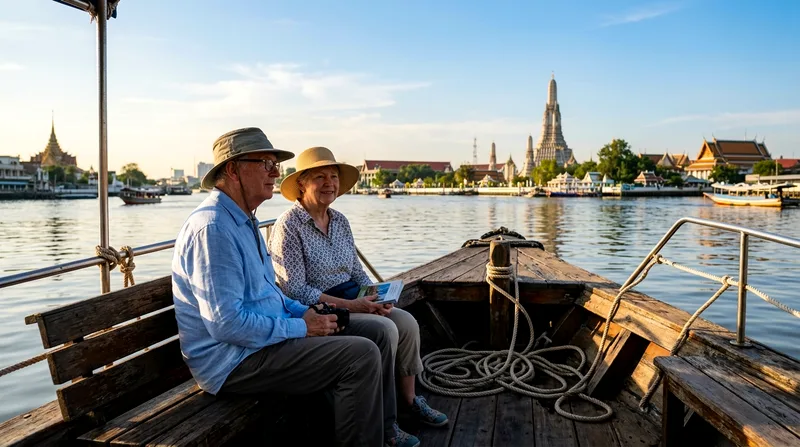
A guided Chao Phraya river cruise is the single best-value booking in this entire itinerary for older travelers: minimal walking, shade or air conditioning depending on the boat, and it covers more ground — past Wat Arun, the old port warehouses, Chinatown's riverside edge — than a full day of walking could. Morning departures, typically 8:30-9:30am, avoid the afternoon heat and the choppier water that sometimes comes with afternoon traffic on the river.
Long-tail boats are breezier but open-air; larger tourist boats offer covered, sometimes air-conditioned seating, which matters more than it sounds on a humid morning. Reserve a seat in advance rather than negotiating a long-tail at the pier — operators vary wildly in boat condition and English-speaking guidance, and a pre-booked tour guarantees both a guide and a reasonable boarding process, which is harder to manage from a wobbly pier ladder than you'd expect. Check current cruise options and departure times before booking.
Afternoon: Accessible shopping and dining
After the cruise, head to Iconsiam or Terminal 21 — both have elevators, wide flat corridors, abundant seating, and reliable air conditioning, which makes them better afternoon options than an open-air market when energy is low. Iconsiam sits right on the river with a direct ferry shuttle, convenient if you've just finished the cruise nearby. Terminal 21 is themed by floor and has clear signage, easy for anyone disoriented by Bangkok's usual mall sprawl.
If you want market atmosphere without market chaos, a short, guided Chinatown food walk in late afternoon — timed before the evening crush — hits the right balance: narrow but flat lanes, frequent stopping points, and someone else doing the navigating. Skip Chatuchak Weekend Market for this itinerary; it's enormous, mostly uncovered, and genuinely hard going even for fit younger travelers.
Getting Around Bangkok Comfortably
Transport is where most senior itineraries quietly fall apart, so it's worth planning deliberately rather than improvising at the curb.
Air-conditioned transport options
The BTS Skytrain and MRT subway are fast and air-conditioned, but both require stairs or escalators to platform level — not every station has a working elevator, so check specific stations if mobility is a concern. For door-to-door comfort, metered taxis and Grab (Southeast Asia's ride-hailing app) are inexpensive — a 20-minute cross-town ride typically runs 80-150 baht — and avoid the haggling that comes with tuk-tuks. Hotel cars or a pre-booked private driver for a full day, often 1,500-2,500 baht, remove the guesswork entirely and are worth the cost on your Grand Palace day specifically.
Accessibility considerations and rest stops
Bangkok's pavements are uneven, often blocked by vendor carts, and curb cuts are inconsistent — not ideal for wheelchairs or unstable walking, so factor extra time for every street crossing. Malls and modern hotels are reliably accessible; older temples and markets are not, and that gap is the main accessibility challenge here, more pronounced than in planned destinations like Kuala Lumpur, where pavements and transit tend to be newer and more consistent. Build a rest stop into every two hours of activity — a mall food court, a hotel lobby, a shaded café — rather than pushing through to the next sight.
Where to Base Yourself
Base yourself in Riverside/Silom or near the Sukhumvit BTS line — both put you within a short taxi of the Grand Palace, Wat Pho and the river piers, without the noise and stairs-heavy guesthouses of Khao San Road. A mid-range or upper mid-range hotel with a lift, pool, and breakfast included (roughly 2,000-4,500 baht/night) earns its cost here more than in most cities, because you'll use the pool and lobby as genuine rest stops, not just sleeping space.
Compare that to basing in Chiang Mai or Phuket for a wider Thailand trip: Chiang Mai's old city is flatter and quieter, genuinely easier underfoot than Bangkok, while Phuket trades temple-hopping for beach relaxation, which suits travelers who want zero walking itineraries at all. If Bangkok is one stop on a longer trip through Krabi or Siem Reap, treat it as the "culture and logistics" stop — flights and trains to most of Thailand and Cambodia run through here — and keep your Bangkok days gentle precisely because the travel days around them won't be.
Avoid hotels more than a 10-minute walk from a BTS or pier — it sounds minor, but that extra walk adds up fast across four days of sightseeing, and it's the single most common planning mistake in itineraries built for younger travelers and reused without adjustment.
Frequently asked questions
How many days do seniors need in Bangkok?
Three days covers the core sights — Grand Palace, Wat Pho, a river cruise, and one market or mall afternoon. Four days is more comfortable, adding a genuine rest day and room for Jim Thompson House or a slower Chinatown visit without rushing the schedule.
What are the most accessible temples for older travelers?
Wat Pho is the most accessible major temple — mostly flat, with a single-level hall housing the reclining Buddha. The Grand Palace is impressive but demanding, with 1.5-2 hours of walking on uneven stone and no on-site wheelchair rentals. Golden Mount requires about 300 steps with no elevator, so it suits travelers comfortable with stairs rather than those avoiding them.
What is the best transportation for seniors in Bangkok?
Metered taxis and the Grab app offer the most comfortable door-to-door option, typically 80-150 baht for a 20-minute ride. The BTS and MRT are fast and air-conditioned but involve stairs or escalators at some stations. For a full sightseeing day, a pre-booked private driver (roughly 1,500-2,500 baht/day) removes transport stress entirely.
Which areas of Bangkok are safest and most comfortable for seniors?
Riverside/Silom and the Sukhumvit BTS corridor are the most practical bases — well-lit, served by elevators in hotels and malls, and close to taxis and river piers. Both are quieter and less chaotic underfoot than the Khao San Road backpacker area, which has narrow, crowded pavements.
Can seniors comfortably visit the Grand Palace?
Yes, with planning. Arrive at opening (8:30am) to avoid heat and crowds, wear closed shoes for the stone courtyards, and expect 1.5-2 hours of walking with limited shade. Booking a guided tour in advance helps significantly, since it bypasses ticket-counter queues and paces the visit with built-in explanations and stops.