A practical Bangkok solo travel itinerary with group tours, safe evening activities, and single-supplement-free bookings for solo visitors.
Who This Itinerary Is For
This Bangkok solo travel itinerary is built for people traveling alone who want structure without babysitting. It assumes three full days, a base near a BTS or MRT station, and a willingness to book two or three group activities rather than trying to see everything solo. If you're the type who wants total flexibility and hates fixed meeting times, you'll still get value here — just treat the bookable experiences as optional anchors, not a rigid schedule.
It's not for travelers who want a private driver and guide for every stop, or who expect resort-style isolation. Bangkok isn't Phuket or Krabi, where you can disappear onto a quiet beach for a week. It's a dense, noisy capital city where the best solo experiences happen in short, social bursts — a three-hour cooking class, a sunset boat ride, a night market food crawl — bookended by hours of independent wandering.
Solo travel safety in Bangkok is rarely about crime; it's about fatigue, heat, and scams targeting people who look lost. Tuk-tuk drivers offering "special temple tours" for 20 baht are the classic trap — they're paid commission to take you to gem shops, not temples. Walk away, use the BTS instead, and you'll avoid 90% of the hassle aimed at solo visitors.
What You'll Need Before You Start
Download the BTS Skytrain and MRT maps offline, get a Thai SIM or eSIM on arrival (around 300-500 baht for a week of data at the airport kiosks), and withdraw cash in larger amounts to avoid the roughly 220-250 baht ATM fee per withdrawal that Thai banks charge foreigners. Most group tours and cooking classes require booking at least 24-48 hours ahead, especially for smaller operators capped at 8-12 people — check current prices and availability before you commit to specific days.
Day 1: Temples and Local Markets
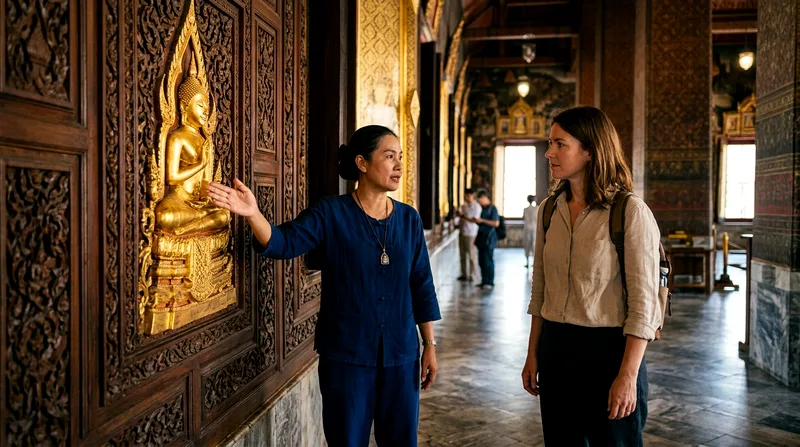
Start where every first-time visitor should: the old city. This is the most tourist-heavy day of the three, but it's also the easiest to navigate solo, with clear foot traffic patterns and plenty of other travelers around if you need directions or company.
Morning and Afternoon
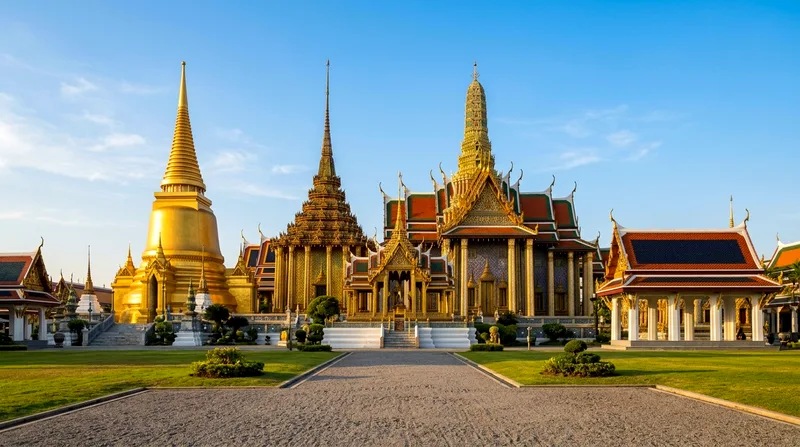
Arrive at the Grand Palace by 8am, before the tour buses — it opens at 8:30am and gates get crowded by 10am. Entry costs 500 baht, cash or card, and includes the Temple of the Emerald Buddha. Dress code is strict: covered shoulders and knees, no flip-flops. If you show up underdressed, you'll be handed a sarong at the gate, which is fine but slows you down.
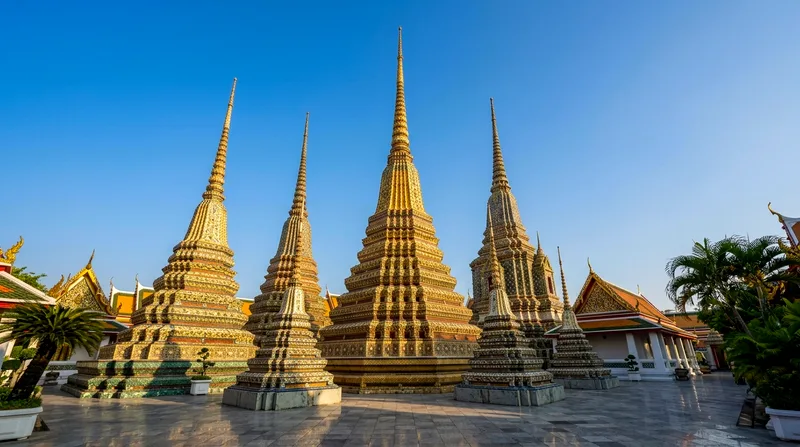
Walk 10 minutes to Wat Pho for the Reclining Buddha (200 baht entry). It's far less crowded than the Palace and has shaded courtyards where you can sit and people-watch, which matters more than it sounds when you're traveling alone and your feet are tired by noon. From there, grab a riverside lunch at one of the small open-air restaurants near Tha Tien pier rather than the overpriced cafés closer to the Palace gates.
Evening
Take a Chao Phraya Express Boat north to the flower market, Pak Khlong Talat, for an hour before sunset — it's functional, photogenic, and almost entirely locals, which makes it feel less staged than most tourist markets. Then head back toward Khao San Road for dinner. It's touristy and loud, but that's exactly why it works for a solo traveler's first night: cheap pad kra pao (60-80 baht), bars with communal tables, and enough backpackers around that striking up a conversation feels normal rather than forced. Skip the bucket cocktails, though — they're overpriced and rough the next morning.
Day 2: Canals and Floating Communities
This is the day to book ahead. Floating markets are genuinely hard to do well solo — public transport to Damnoen Saduak takes over an hour each way by minivan or bus, and going independently often means more time commuting than actually seeing anything.
Morning and Afternoon
Book a small-group morning tour to Damnoen Saduak Floating Market (roughly 90 minutes from central Bangkok by road). Most group tours run 6-8 people, include round-trip transport, and cost noticeably less per person than a private car — and you'll likely end up chatting with other solo travelers on the drive, which rarely happens on self-arranged transport. Expect to pay separately for the longtail boat ride through the canals, usually 150-300 baht depending on route length, negotiated on the spot or included in your tour package.
If floating markets don't appeal, the Bang Krachao "green lung" area is a strong alternative — a cycling loop through canal-side jungle just across the river from Sukhumvit, reachable by a short cross-river ferry (a few baht) plus a rented bike (around 50 baht for the day).
Evening
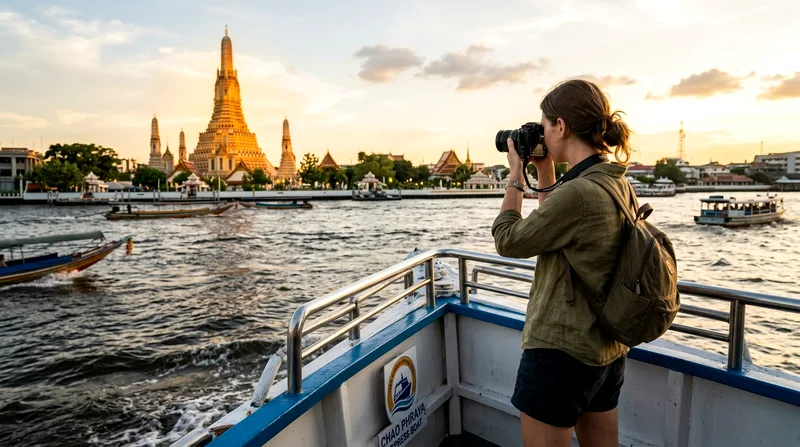
Back in the city by late afternoon, recover with an hour of downtime, then book a sunset boat tour along the Chao Phraya River — this is the one experience on this itinerary worth reserving in advance for a specific departure time, since the best sunset slots fill up. Shared longtail or larger river cruise options both work; the shared versions are cheaper and put you at a table with other solo travelers and small groups, which beats dining alone at a riverside restaurant staring at your phone. Compare current boat tours and prices before you book, since departure times shift with sunset by season.
Day 3: Street Food and Nightlife
By day three you'll have your bearings. This day leans into Bangkok's two strongest solo-friendly assets: food and rooftop bars, both of which naturally put you next to other people without requiring small talk you're not in the mood for.
Morning and Afternoon
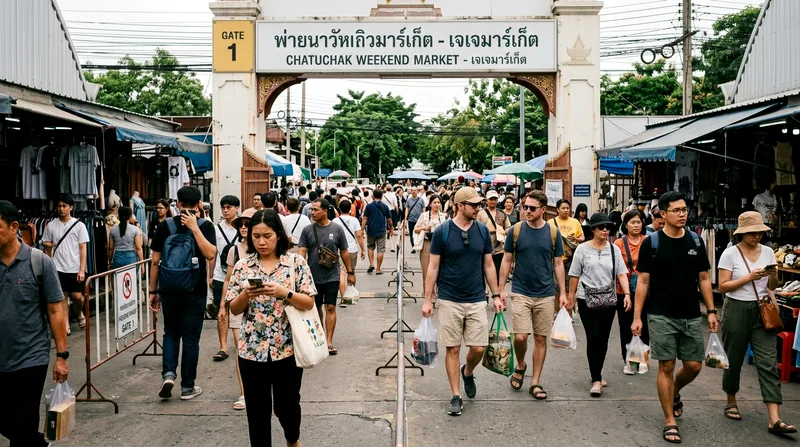
Spend the morning at Chatuchak Weekend Market if it's a Saturday or Sunday (it's closed most weekdays) — over 8,000 stalls across roughly 35 acres, easily reached via MRT to Kamphaeng Phet station. It's overwhelming alone for a full day, so cap it at 2-3 hours and stick to a few zones rather than trying to cover all of it. If it's a weekday, swap in Talad Rot Fai Ratchada, a smaller night market that only runs evenings, or spend the afternoon at Jim Thompson House, a 30-minute guided tour through a restored silk merchant's home that works well solo since tours are small and fixed-time.
Evening
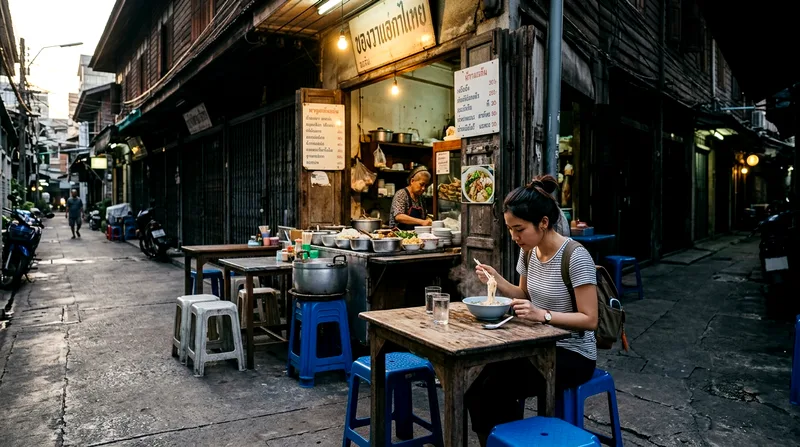
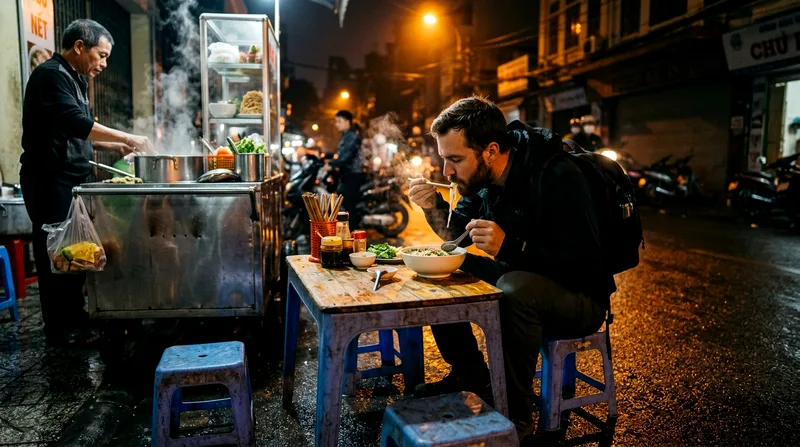
This is the night to book a street food tour, ideally one covering Chinatown (Yaowarat) on foot after dark, when the neon signs and wok smoke make it genuinely atmospheric rather than just hot and crowded. Good food tours run 3-4 hours, cover 6-8 tasting stops, and group sizes stay small — 6-10 people — making it one of the easiest ways to end up having dinner conversations with strangers. Afterward, if you've got energy left, a rooftop bar in Silom or Sukhumvit is a safer and more social alternative to Khao San Road's second night of buckets — dress code usually requires closed shoes and no shorts, and a drink runs 400-600 baht.
Getting Around Bangkok Solo
The BTS Skytrain and MRT Bangkok subway are your default options, and for good reason: both are air-conditioned, clearly signed in English, and nearly impossible to get seriously lost on. A single ride costs 16-62 baht depending on distance; a day pass is worth it if you're making more than 4-5 trips. Tuk-tuks look like the authentic choice but are almost always more expensive than a metered taxi for the same distance once you factor in bargaining — use them for short, fun rides, not as serious transport.
Taxis are cheap by European standards — a 20-minute ride rarely exceeds 150 baht — but insist the driver uses the meter; refusing is common with tourists outside hotels. Grab (the regional ride-hailing app) removes that friction entirely and shows you the price upfront, which matters when you're solo and don't want the stress of negotiating in a language you don't speak. Boats along the Chao Phraya are underrated for solo travelers: cheap, scenic, and you can't really get scammed on a public pier.
Where Chiang Mai and Hua Hin let you walk or scooter everywhere, Bangkok's scale genuinely requires combining transport modes daily — budget for that mentally, not just financially.
Where to Base Yourself
Sukhumvit is the safest default for solo travelers: dense with BTS stations, 24-hour convenience stores, and enough other foreigners around that you're never the only tourist on the street. It's not cheap — expect 1,200-2,500 baht a night for a decent mid-range hotel — but the convenience and sense of ease are worth it for a first solo trip.
Silom works well too, especially if nightlife and rooftop bars matter to you, and it sits closer to the river for Day 2's boat tour. Khao San Road itself is the budget backpacker option — dorm beds from 250-400 baht — and it's genuinely the easiest place to meet other solo travelers within an hour of checking in. The trade-off is noise until 2am and a younger, more party-focused crowd, which isn't for everyone, particularly older solo travelers or anyone who wants to sleep before a 7am temple visit.
Avoid basing yourself out near Suvarnabhumi Airport to "save time" — it's a 45-60 minute commute into the city with little around it, and you'll lose more time commuting than you saved.
Sukhumvit offers the best balance of safety and transport links for most solo travelers, while Khao San Road is cheaper and more social but louder.
Best Bangkok neighbourhoods for a solo travel itinerary compared
| Area | Typical hotel cost (per night) | BTS/MRT access | Best for |
|---|---|---|---|
| Sukhumvit | 1,200-2,500 baht | Excellent (BTS) | First-time solo travelers, safety, convenience |
| Silom | 1,000-2,200 baht | Good (BTS/MRT) | Nightlife, river access, rooftop bars |
| Khao San Road | 250-700 baht | Limited (boat/taxi) | Budget backpackers, meeting other solo travelers |
| Chinatown (Yaowarat) | 800-1,800 baht | Limited (MRT nearby) | Street food focus, atmosphere |
Prices are typical ranges for mid-range to budget rooms; check current rates when booking, as they shift with season and demand.
Bookable Group Experiences
The real trick to solo travel in Bangkok isn't avoiding group tours — it's choosing the right ones. Small-group experiences capped at 8-12 people consistently work better than large 40-person bus tours, where you're herded around and never actually talk to anyone. Most small-group bookings also skip the single supplement that hotels and package tours love to charge, since you're paying per person for a shared activity rather than per room.
Cooking Classes and Food Tours
A half-day Thai cooking class, typically 3-4 hours and covering 4-5 dishes like pad thai, tom yum, and mango sticky rice, is one of the best solo bookings in the city — you're paired at a cooking station with other travelers by default, and the shared task of chopping and stir-frying breaks the ice faster than small talk ever could. Expect group sizes of 6-10 and a market visit built into the start of the class. Separately, the Chinatown street food tour mentioned for Day 3 serves the same social function after dark, with less cooking and more walking.
Guided Temple and Cultural Tours
If temple etiquette worries you — when to remove shoes, how to sit, whether photos are allowed near Buddha images — a guided half-day tour covering the Grand Palace and Wat Pho with a licensed guide removes that uncertainty and adds historical context self-guided visits miss entirely. These run roughly 3-4 hours, usually in groups of 10-15, and are worth it on your very first morning rather than Day 3, since it sets you up to recognize temple customs for the rest of the trip. Compare current prices and group sizes before booking, since quality varies more here than with food tours.
Frequently asked questions
Is Bangkok safe for solo travellers?
Yes, by most measures — violent crime against tourists is rare, and the main risks are petty scams (tuk-tuk "gem shop" detours, overpriced tailor shops) rather than danger. Stick to metered taxis or Grab, keep valuables in a hotel safe, and avoid walking alone through empty sois after 1-2am. Solo women generally report feeling comfortable in Sukhumvit and Silom; exercise more caution in poorly lit areas near Khao San Road late at night.
What group tours are best for meeting people in Bangkok?
Cooking classes and food tours work best because they involve shared activity, not just sitting on a bus. Look for groups capped at 8-12 people, 3-4 hour durations, and a market or multiple-stop format — these naturally create conversation in a way that a silent museum tour doesn't.
Can solo travellers avoid single supplements in Bangkok?
Yes — book per-person group activities (cooking classes, boat tours, walking food tours) instead of package holidays priced per room. Hotels still charge the same room rate whether one or two people occupy it, but activities booked individually sidestep the supplement entirely since pricing is per head.
What are the safest evening activities for solo visitors?
Rooftop bars in Silom and Sukhumvit, organized night market food tours, and river dinner cruises are the safest bets — all are well-lit, busy, and staffed. Avoid wandering alone into unlicensed go-go bar areas late at night without a plan for getting back; stick to areas with steady foot traffic and metered transport nearby.
How do solo travellers get around Bangkok cheaply?
Use the BTS Skytrain and MRT for most daytime trips (16-62 baht per ride), Chao Phraya river boats for riverside sightseeing, and Grab for evening trips when you want door-to-door convenience without negotiating a tuk-tuk fare. A day transport pass pays off once you're making more than four or five rides.