Complete Wat Pho tickets guide: entry fees, independent visit vs tours, best times, dress code, and how to combine it with nearby Bangkok temples.
What is Wat Pho and Why Visit
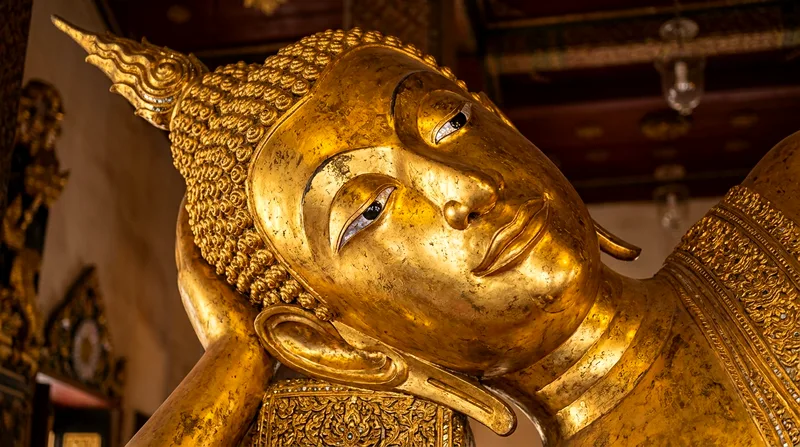
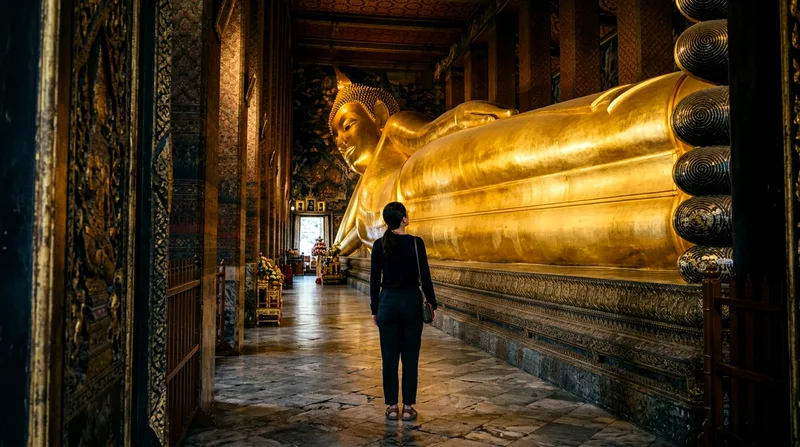
Wat Pho sits on Rattanakosin Island in Bangkok's Phra Nakhon District, a few hundred meters south of the Grand Palace. It's one of the oldest and largest temple complexes in the city, predating Bangkok itself as the capital — the site existed as a monastery before Bangkok was founded in 1782. Most visitors come for one reason: the Reclining Buddha, a gold-plated statue measuring 46 meters long and 15 meters high, housed in a single viharn hall that barely contains it.
What separates Wat Pho from, say, Wat Arun across the river or the ornate Grand Palace complex is its working-temple feel. Monks still live and study here. The grounds hold over 1,000 Buddha images, dozens of chedis (stupas), and the original campus of what's considered Thailand's first public university, teaching traditional medicine and massage since the 1800s.
The Reclining Buddha and Temple Layout
The Reclining Buddha depicts the Buddha entering nirvana, and the statue's feet alone are worth the walk — each sole is inlaid with 108 mother-of-pearl panels illustrating auspicious symbols. The hall is narrow, so you walk a tight loop around the statue rather than viewing it from a distance; expect to shuffle along with other visitors during busy hours.
Beyond the main hall, the complex spans roughly 80,000 square meters, organized into a monastic zone (closed to tourists) and a public zone with four large chedis dedicated to the first four Chakri kings, covered walkways lined with Buddha images, and a central ordination hall (ubosot) with detailed murals. Budget at least an hour to see the highlights properly, more if you like reading temple plaques or photographing the structures.
Why It's Worth Your Time
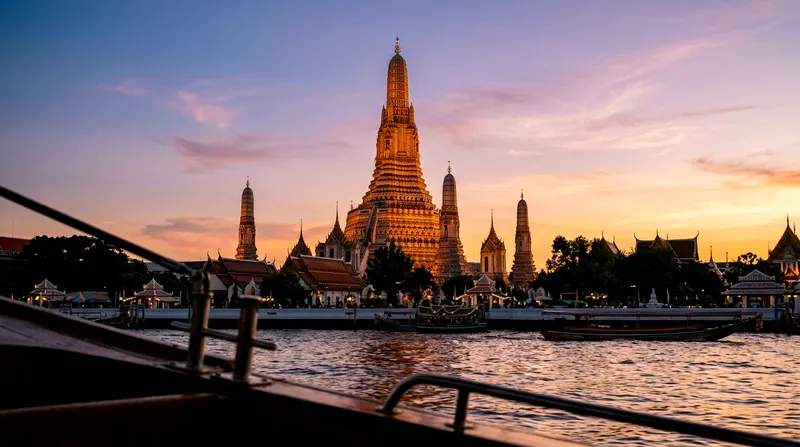
If you only have time for one temple in Bangkok, Wat Pho edges out Wat Arun for sheer density of things to see, though Wat Arun wins on river views and photogenic symmetry, especially at sunset. Compared to the Grand Palace, Wat Pho is far less crowded and roughly a third of the entry price, which makes it the better choice if you're short on time or patience for queues. I'd skip it only if you've already seen several Buddhist temples in Chiang Mai or Ayutthaya and want something different — in that case, the Grand Palace's royal architecture offers more contrast.
Entrance Fees and How to Buy Tickets
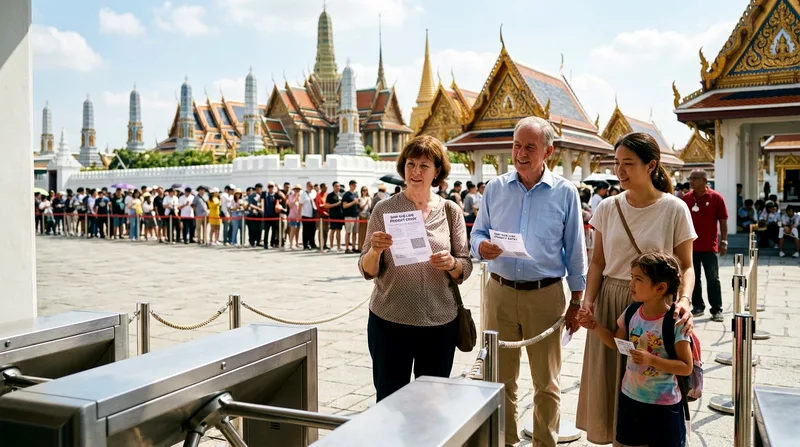
The Wat Pho entry fee for foreign visitors is 200 baht (roughly $6 USD), unchanged for several years and typically including a free bottle of water handed out at the ticket counter — a small but genuinely useful touch given Bangkok's heat. Thai nationals enter free with ID. Children under 120cm tall generally enter free as well, though staff measure this loosely rather than checking documents.
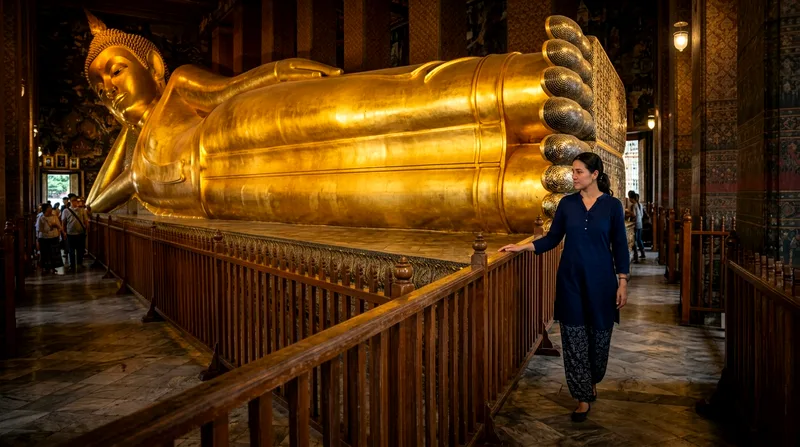
Wat Pho's 200-baht entry fee is the cheapest of Rattanakosin Island's three major sights and comes with the shortest queues.
Wat Pho tickets compared to nearby Bangkok temple and palace entry
| Site | Entry Fee (foreigners) | Typical Visit Time | Dress Code Strictness |
|---|---|---|---|
| Wat Pho | approx. 200 baht | 60-90 min | Strict (sarong rental available) |
| Grand Palace & Wat Phra Kaew | approx. 500 baht | 2-3 hours | Very strict |
| Wat Arun | approx. 100 baht | 45-60 min | Moderate |
| Wat Saket (Golden Mount) | approx. 50 baht | 45 min | Moderate |
Typical figures; fees and hours can change, so confirm current prices when booking tickets or tours.
Current Ticket Pricing
At 200 baht, Wat Pho is cheaper than the Grand Palace and Wat Phra Kaew combined ticket, which runs around 500 baht. It's pricier than many provincial temples — entry to several temples in Chiang Mai is free or under 50 baht — but Bangkok's major sites simply cost more, and Wat Pho's fee has stayed stable while still representing good value against Pattaya or Phuket's paid attractions, which often charge similar amounts for far less substance.
Online Booking and On-Site Purchase
You can buy tickets at the booth by the main entrance on Thanon Chetuphon, cash or card accepted, with no advance reservation required for independent entry. There's rarely a long queue here compared to the Grand Palace, since Wat Pho doesn't impose the same daily visitor caps. That said, booking a combined ticket or guided tour online in advance can save you the walk to a second ticket booth if you're planning to see the Grand Palace the same day — bundled tours typically handle both entries for you. Compare current ticket and tour prices before you book, since bundled combo pricing shifts more often than the standalone temple fee.
Independent Visit vs Guided Tours
This is the real decision point, and my honest take: Wat Pho doesn't need a guide the way the Grand Palace does. The site is well-signed in English, compact, and linear enough that you won't get lost. A guide adds real value mainly through historical context and skip-the-ticket-line convenience when bundled with the Grand Palace.
Self-Guided Temple Exploration
Walking in on your own costs just the 200 baht entry, and you control your pace entirely. Pick up a free map at the entrance, head straight to the Reclining Buddha hall first before tour groups arrive, then loop around the four royal chedis and the ordination hall afterward. Most independent visitors finish in 60-90 minutes. The downside: no one's explaining the symbolism behind the murals or the significance of specific Buddha postures, so bring a guidebook or download an offline map with notes if context matters to you.
Guided Tour Options and Benefits
Guided tours of Wat Pho are almost always sold as part of a half-day Rattanakosin Island package covering the Grand Palace and sometimes Wat Arun by boat across the river. These typically run 3-4 hours, include transport, and cost considerably more than independent entry — but they solve the real headache of navigating the Grand Palace's stricter rules and larger crowds. If you're traveling with elderly parents or young children who tire of waiting in ticket lines, a tour's logistics support is worth the premium. If you're a confident solo traveler or a couple comfortable using Grab or the river ferry, skip it and visit independently — check current tour prices and reviews before deciding, since itineraries and inclusions vary by operator.
Best Time to Visit and Hours
Wat Pho opening hours run daily from 8:00 AM to 6:30 PM, with last entry typically around 5:30-6:00 PM. There's no weekly closure day, which makes it easier to slot into a Bangkok itinerary than attractions with fixed rest days.
Operating Hours and Seasonal Crowds
Arrive right at 8 AM and you'll often have the Reclining Buddha hall nearly to yourself for the first 30 minutes — tour buses and cruise groups tend to show up closer to 9:30-10:30 AM. Midday heat (November through February is the cooler, more bearable season; March through May gets brutally hot) makes early morning doubly worth it. Late afternoon, after 4 PM, is another quieter window, with softer light for photos, though you'll be rushed near closing. Weekends draw more domestic visitors than weekdays, similar to crowd patterns you'd see at Ayutthaya's temple ruins on a Saturday.
Dress Code and Photography Rules
The Wat Pho dress code is enforced at the entrance, not loosely suggested. Shoulders and knees must be covered — no sleeveless tops, no shorts above the knee, no see-through fabrics. Staff rent or sell sarongs and wraps near the gate for around 20-50 baht if you show up unprepared, but it's faster and cheaper to just wear long pants or a maxi skirt and a t-shirt from the start. Shoes come off before entering the Reclining Buddha hall specifically, not the whole outdoor complex, so slip-on shoes save hassle. Photography is allowed throughout, including of the Reclining Buddha, but flash photography and tripods inside the main hall are generally discouraged out of respect and to keep foot traffic moving.
On-Site Services and Nearby Temples
Wat Pho isn't just a sightseeing stop — it's the birthplace of traditional Thai massage as a formalized practice, and that history is still very much active on-site.
Traditional Thai Massage at Wat Pho
The Wat Pho Thai Traditional Medical and Massage School operates a massage pavilion within the temple grounds, separate from the main ticketed sightseeing area — you don't need a temple ticket to get a massage here. A traditional Thai massage runs about 30 minutes for roughly 260-320 baht, with foot massages similarly priced and longer combination sessions available up to 2 hours. No advance Wat Pho massage booking is required for walk-ins, but expect a wait of 20-40 minutes during busy afternoons since it's one of the most reputable and least touristy-feeling massage venues in the area. It's genuinely worth doing here rather than at a generic street-side massage shop nearby — the quality control is better, given this is the school that trains many of Thailand's licensed masseurs.
Combining with Grand Palace and Nearby Temples
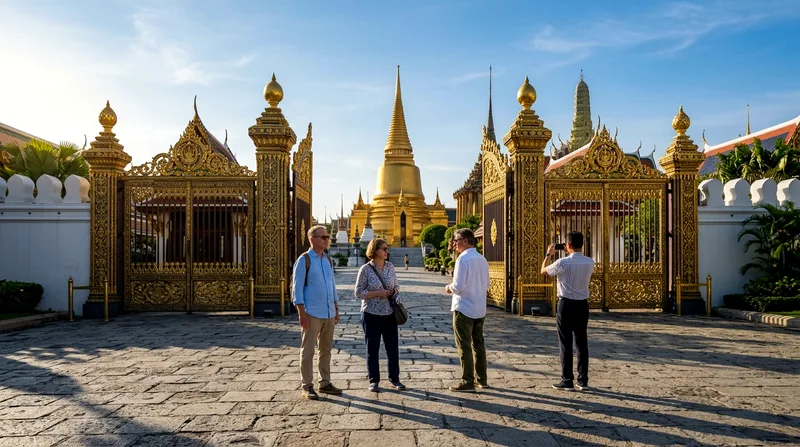
Wat Pho's location makes it the natural center of a Rattanakosin Island morning. The Grand Palace and Wat Phra Kaew are a 10-minute walk north; Wat Arun sits directly across the Chao Phraya River, reachable by a cross-river ferry from Tha Tien pier for about 4-5 baht, a few minutes' walk from Wat Pho's exit. A sensible order: Wat Pho first thing at 8 AM while it's quiet, Grand Palace by 9:30-10 AM once you've built in queue time, then the ferry to Wat Arun by early afternoon for photos with better light. This loop covers three of Bangkok's most important sites in under half a day, which is more efficient than what you'll manage in a single morning in Chiang Mai's old city or Ayutthaya's spread-out ruins, simply because everything here sits within walking or short-ferry distance.
Frequently asked questions
How much is the entrance fee for Wat Pho?
Foreign visitors pay approximately 200 baht (about $6 USD), which typically includes a free bottle of water. Thai nationals enter free with ID, and children under about 120cm tall are usually admitted free as well.
Can I buy Wat Pho tickets online?
Standalone Wat Pho entry is usually bought at the gate on Thanon Chetuphon, with no need to pre-book since queues rarely build up. If you want to combine it with the Grand Palace or a guided river tour, booking that bundled ticket online in advance is worth it — compare current prices and inclusions before you book.
What is the dress code for Wat Pho temple?
Shoulders and knees must be covered; no sleeveless tops, short shorts, or see-through clothing. Staff enforce this at the entrance and rent sarongs for around 20-50 baht if needed. Shoes must come off before entering the Reclining Buddha hall.
Can I get a traditional massage at Wat Pho?
Yes — the on-site Wat Pho massage school offers traditional Thai massage for roughly 260-320 baht per 30 minutes, no advance booking needed for walk-ins. Expect a 20-40 minute wait during busy afternoons; mornings are quieter.
Which temples can I visit with Wat Pho in one morning?
The Grand Palace and Wat Phra Kaew are a 10-minute walk away, and Wat Arun is a short ferry ride across the river from Tha Tien pier. Starting at Wat Pho at opening time, then the Grand Palace, then Wat Arun by early afternoon covers all three comfortably in under half a day.