Discover kid-friendly Bangkok food tours with mild spices, short walks, and engaging guides. Find the perfect family food experience today.
Who Should Book a Family Food Tour
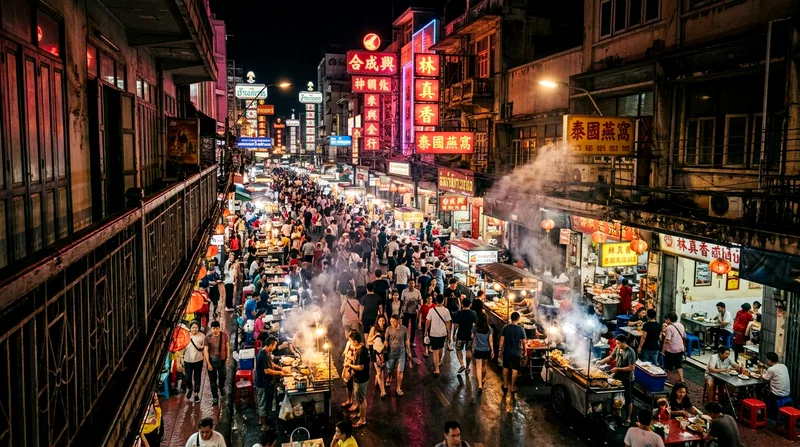
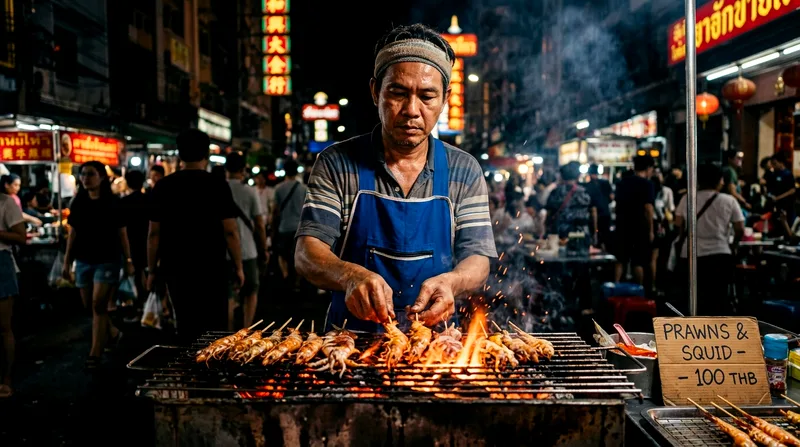
A Bangkok food tour for families works best when everyone in the group is at least curious about trying new things, even if they won't eat everything on the table. The city's street food culture rewards a bit of adventurousness — stalls selling grilled skewers, fresh coconut desserts, and noodle soups sit a few feet from each other in markets like those around the Old City and Chinatown. If your kids already enjoy trying different textures and flavors at home, a guided tour will feel like an extension of that, just with better stories attached.
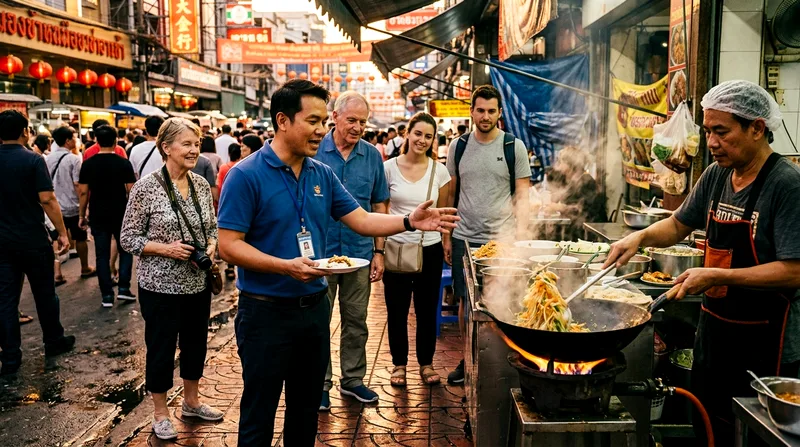
Families who want convenience over spontaneity also do well here. Navigating Bangkok's street food scene solo with children means guessing which stalls are hygienic, which dishes are safe on young stomachs, and how to communicate dietary needs in a language barrier situation. A guide removes that guesswork and usually speaks enough English to explain ingredients, which matters if someone in your group has a nut or shellfish allergy.
Families with Adventurous Eaters
If your kids already ask for "the spicy one" at home, you'll get more out of tours that visit Chinatown's narrower alleys or the Old City's older markets, where vendors serve dishes closer to how locals actually eat them. These tours tend to skip the sanitized, tourist-facing stalls near Sukhumvit in favor of spots that have been in the same family for decades. Expect fewer concessions on spice — ask the guide directly whether dishes can be made milder on request, since not all vendors will adjust on the spot.
Parents Seeking Cultural Immersion
For parents who want the food tour to double as a cultural lesson, look for itineraries that explain the history behind dishes — why mango sticky rice is a dessert tied to mango season, or why Chinatown's shophouses still run family businesses passed down three generations. These tours usually include more talking and context-setting, which works well for kids aged 9 and up who can sit through a five-minute explanation before eating. Younger children may get restless during longer narration breaks, so pair this style with a guide known for keeping explanations short.
Types of Bangkok Food Tours for Families
Not all Bangkok food tours are built the same way, and the differences matter more for families than for solo travelers. Duration, walking distance, and how structured the eating stops are will determine whether your afternoon feels like a fun outing or a slog with a hungry, overheated six-year-old. Here's how the main categories break down.
Walking Food Tours with Short Distances
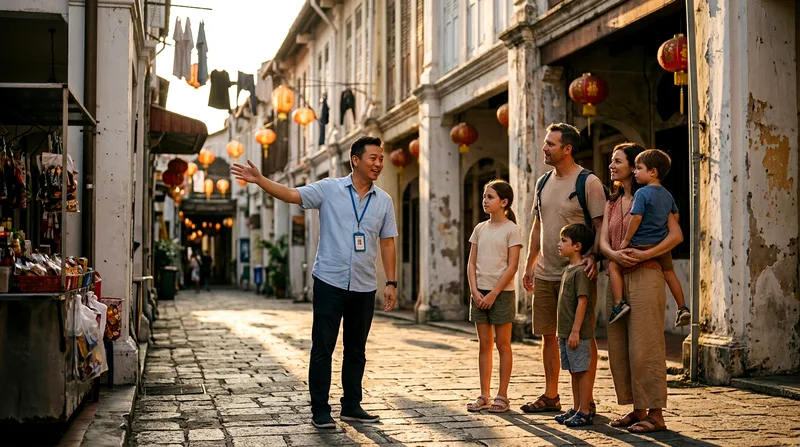
Standard walking food tours typically run two to three hours and cover one to two kilometers, broken into five or six stops. For families, look specifically for tours advertised as "short-distance" or "evening market" walks — these tend to concentrate stops within a few blocks of each other, often in Chinatown's Yaowarat Road or the Old City near Lumphini Park's surrounding streets, rather than spreading across multiple neighborhoods. The upside is variety: kids get to see cooking happen in front of them, which holds attention better than a sit-down meal. The downside is Bangkok's heat and humidity, which can wear down children faster than adults. Avoid tours scheduled for midday in the hot season (March to May) — early evening or morning slots are far more manageable with kids in tow.
Cooking Classes for Kids and Parents
Family cooking classes usually run three to four hours, including a market visit beforehand, and are held in a fixed location rather than on foot through the streets. This format suits families better than walking tours in several ways: there's air conditioning, bathroom access, and kids get a hands-on task — rolling spring rolls, pounding a mild curry paste, or shaping sticky rice desserts — rather than just watching and eating. Most classes offer a simplified kids' station alongside the adult cooking area. The trade-off is that cooking classes feel less like exploring Bangkok and more like a self-contained activity; if your priority is seeing the city, pair this with a separate walking tour rather than expecting both from one booking.
Boat-Based Food Experiences
Floating market tours, often heading out toward Damnoen Saduak Floating Market, combine a longboat ride along canals with food sampling directly from vendor boats. Kids generally love this format — the novelty of buying noodles from a paddling vendor beats any sit-down stall. Expect a half-day to full-day commitment, since Damnoen Saduak sits roughly 100 kilometers from central Bangkok, meaning one to two hours of travel each way. This is the trade-off: it's a longer day than a Chinatown walk, and young children can get fidgety on the drive. Life jackets are standard on the boats, but double-check this when booking rather than assuming. If your family is also considering a Chao Phraya River dinner cruise, note that these are a different product entirely — scenic and relaxed, but with far less hands-on food interaction than a floating market tour.
Private vs. Group Family Tours
Private family food tours let you set the pace, skip stops that don't interest your kids, and avoid holding up a group of strangers while your toddler finishes a plate. They typically cost more per person than group tours — often close to double — but the flexibility is worth it for families with very young children or specific dietary restrictions. Group tours, by contrast, usually cap at eight to twelve people and are considerably cheaper, but you're locked into the group's pace and the guide's standard script. For families with teenagers who don't mind a fixed schedule, group tours are the more economical choice; for families with kids under 7, the private option usually pays for itself in reduced stress.
What to Look for When Booking
The listing title rarely tells you what you need to know. Read the itinerary description closely — specifically the number of stops, the total walking distance, and whether the tour mentions spice levels at all. If it doesn't, message the operator before booking rather than finding out at the first stall.
Mild-Spice Menu Options
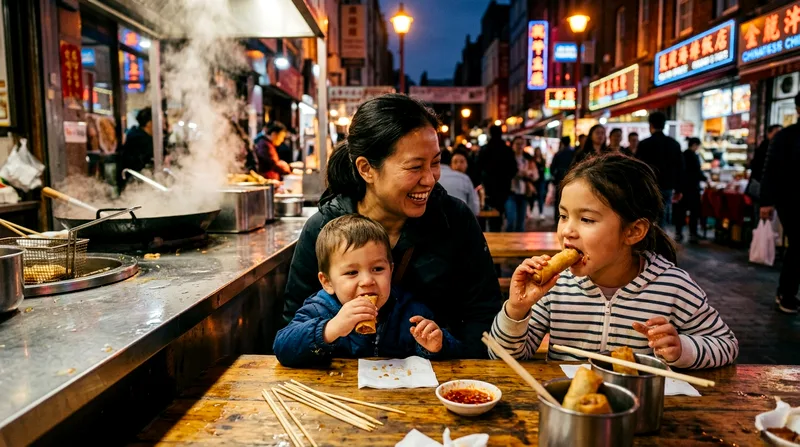
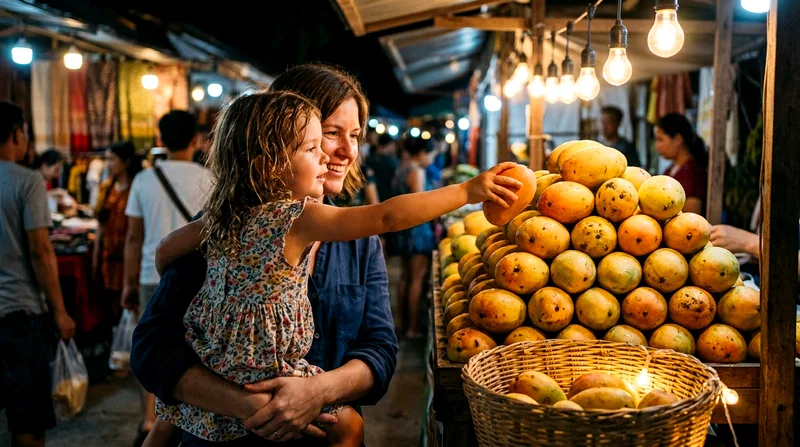
Thai cuisine leans spicy by default, and many stalls assume tourists want it "farang spicy," which is still hotter than most Western palates expect. For a genuinely kid-friendly food tour, confirm the guide can request dishes without chili or with chili served on the side. Dishes that are naturally mild and popular with kids include pad thai, mango sticky rice, grilled chicken satay, and Chinese-style dim sum found throughout Chinatown — these are good benchmarks to ask about when comparing tour menus.
Group Size and Pacing
Smaller groups move faster through markets and give kids more direct interaction with vendors and guides. Look for stated maximum group sizes — anything under ten is reasonable for families, while anything over fifteen tends to feel rushed at each stop with less individual attention. Pacing matters just as much: a three-hour tour with six stops spread tightly together beats a three-hour tour with ten stops that requires constant fast walking between them.
Cancellation Policies
Kids get sick, nap schedules slip, and Bangkok's weather can turn without warning. Before booking, check whether the tour offers free cancellation up to 24 hours in advance — this is now standard on most reputable booking platforms, though not universal. Avoid any listing that only offers non-refundable booking with no flexibility; with children involved, you want the option to reschedule without losing your money.
Best Times to Book Family Food Tours
Timing affects both comfort and availability more than most families expect, particularly for anyone used to planning trips to Chiang Mai or Phuket, where the heat and crowd patterns are different.
Seasonal Considerations
Bangkok's cool season, roughly November through February, is by far the most comfortable period for walking tours with kids — temperatures sit in the high 20s°C rather than the mid-30s°C common from March to May. If you're traveling during the rainy season (June to October), afternoon downpours are common but typically brief; morning tours are the safer bet. Unlike a beach-focused trip to Krabi or Hua Hin where rain simply means staying at the resort, a rained-out food tour in Bangkok often means standing under an awning waiting it out.
Advance Booking Benefits
Family-sized private tours and smaller-group cooking classes fill up faster than standard group walking tours, especially around school holiday periods in Europe and North America (December, April, July-August). Booking two to three weeks ahead gives you more choice over time slots — particularly early evening slots, which tend to go first since they avoid the midday heat. Last-minute bookings aren't impossible, but you'll have less control over group size and pacing.
Comparison: Tour Categories for Families
Laid side by side, the differences between these categories become clearer than any single listing description will tell you. Use this as a starting point, then check current prices and reviews for the specific tour you're considering.
Walking tours suit active kids over 7, while cooking classes and boat tours work better for younger children or hot-season visits.
Bangkok food tour families: comparing tour categories by duration, pacing, and fit
| Tour Category | Typical Duration | Walking Distance | Best Age Range | Spice Control |
|---|---|---|---|---|
| Short-distance walking tour | 2-3 hours | 1-2 km | 7 and up | Moderate, ask ahead |
| Family cooking class | 3-4 hours | Minimal | 5 and up | High, kids' station usually mild |
| Floating market boat tour | Half-day to full day | Minimal walking, boat seated | 4 and up | Low to moderate, varies by vendor |
| Private family food tour | 2-4 hours, flexible | Adjustable | Any age | High, fully customizable |
| Group food tour (standard) | 2-3 hours | 1-3 km | 8 and up | Low to moderate, fixed script |
Durations and distances are typical ranges; always confirm specifics and current prices before booking.
Frequently asked questions
What age are children on Bangkok food tours?
Most group food tours set a practical minimum around age 6 or 7, mainly because of walking distances and evening timing rather than strict rules. Cooking classes and boat-based floating market tours tend to accommodate younger children, sometimes from age 4, since they involve less walking and more seated or hands-on activity. Always check the specific listing — some operators state a minimum age explicitly, others don't but expect you to judge based on the itinerary.
Are there vegetarian options on family food tours?
Yes, most Bangkok food tours can accommodate vegetarian diets, especially in Chinatown where tofu, vegetable dumplings, and noodle dishes are widely available. Strict vegan requests are harder, since fish sauce and shrimp paste appear in many Thai dishes even when they look vegetarian. Tell the operator about dietary restrictions when booking, not on the day — this gives guides time to adjust the stop list.
How long do family food tours typically last?
Walking food tours generally run two to three hours, cooking classes three to four hours including market time, and floating market boat tours can take a half-day to a full day once you factor in travel to Damnoen Saduak. For families with young kids, shorter two-hour tours are usually the easier starting point before committing to a longer outing.
Can I book a private tour for my family?
Yes, private family food tours are widely available and let you control pacing, skip stops, and request milder spice levels throughout. They cost more per person than group tours, often close to double, but the flexibility is genuinely useful with toddlers, picky eaters, or anyone with food allergies. Compare current prices for private versus group options before deciding, since the gap varies by operator.
What should children wear on a food tour?
Light, breathable clothing and closed-toe walking shoes work best — flip-flops are fine for boat tours but risky on uneven market pavement. Bring a hat and a small water bottle regardless of season, since Bangkok's humidity adds up fast even in the cool season. If the tour includes temple stops near the Old City, pack a light layer to cover shoulders and knees, as some sites enforce dress codes even for children.